

Operation Process and Working Principle of White Ash Material Pneumatic Conveying Machine
HeadPowder, a leading manufacturer based in Shandong, China, specializes in the design, production, and supply of advanced pneumatic conveying equipment tailored for handling white ash materials. This article provides a detailed overview of the operation process and working principle of their white ash material pneumatic conveying machines, highlighting key components, operational steps, and technical aspects that ensure efficient and reliable material transport.
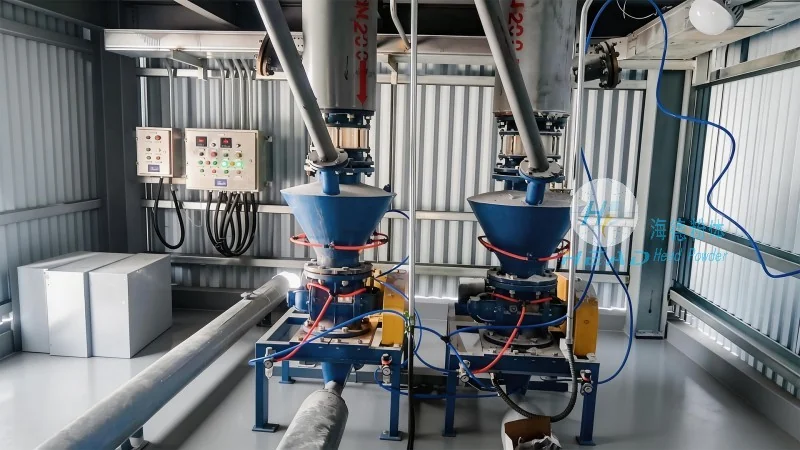
Introduction to White Ash Material Pneumatic Conveying Machines
White ash, a byproduct of coal combustion, is widely used in various industrial applications such as cement production, construction materials, and environmental remediation. The efficient handling of white ash is crucial for maintaining production efficiency and minimizing operational costs. Pneumatic conveying systems offer a solution by transporting bulk materials through a pipeline using air or gas as the conveying medium. HeadPowder's white ash material pneumatic conveying machines are engineered to meet the specific demands of white ash handling, combining durability, high efficiency, and low maintenance requirements.
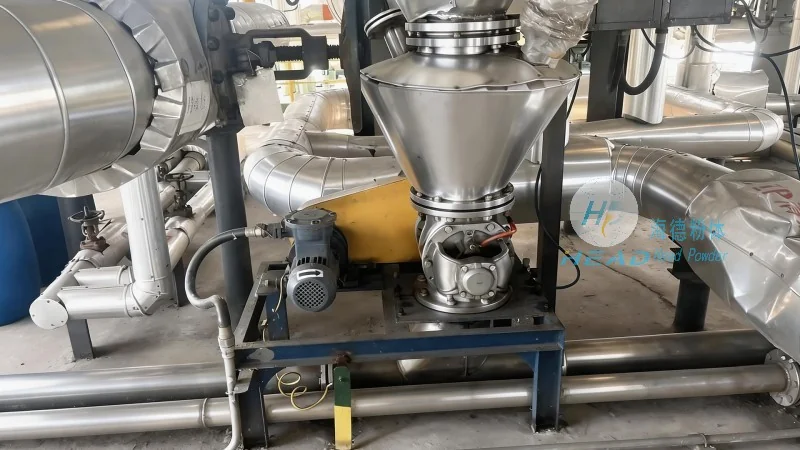
Key Components of the Pneumatic Conveying System
The white ash material pneumatic conveying machine consists of several critical components that work in tandem to achieve effective material transport. These components include:
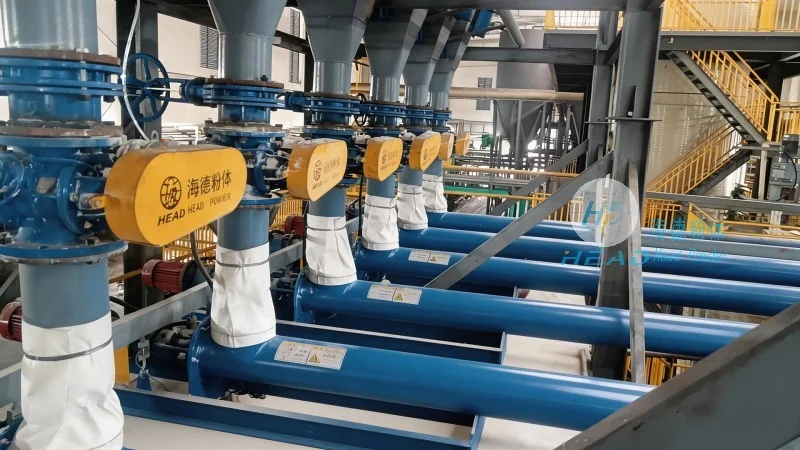
- Material Hopper: A storage vessel where white ash is collected and prepared for conveying. The hopper is designed with a smooth interior to prevent material buildup and ensure consistent flow.
- Feeder: A device that controls the flow rate of white ash from the hopper into the conveying line. Common types include rotary valves and screw feeders, which provide precise and adjustable discharge rates.
- Conveying Pipeline: A network of pipes that transports the white ash particles using air or gas. The pipeline is typically made of corrosion-resistant materials like stainless steel or coated steel to withstand the abrasive nature of white ash.
- Blower or Air Compressor: The power source that generates the air or gas flow within the pipeline. The blower or compressor provides the necessary pressure and airflow to move the white ash particles through the system.
- Receiver or Discharge Hopper: The final container where the conveyed white ash is deposited. The receiver is equipped with a discharge valve to control the release of the material.
- Control System: An integrated system that monitors and regulates the operation of the conveying machine. This includes sensors for flow rate, pressure, and level, as well as control panels for adjusting settings and troubleshooting.
Operation Process of the Pneumatic Conveying Machine
The operation of the white ash material pneumatic conveying machine follows a systematic process to ensure smooth and continuous material transport. The steps are as follows: