

The Operation Process and Working Principle of Corn Kernels Material Pneumatic Conveying
HeadPowder, a leading provider in the field, specializes in the design and implementation of efficient pneumatic conveying systems for corn kernels. This article delves into the operational process and underlying principles that ensure smooth and reliable material handling for agricultural products like corn.
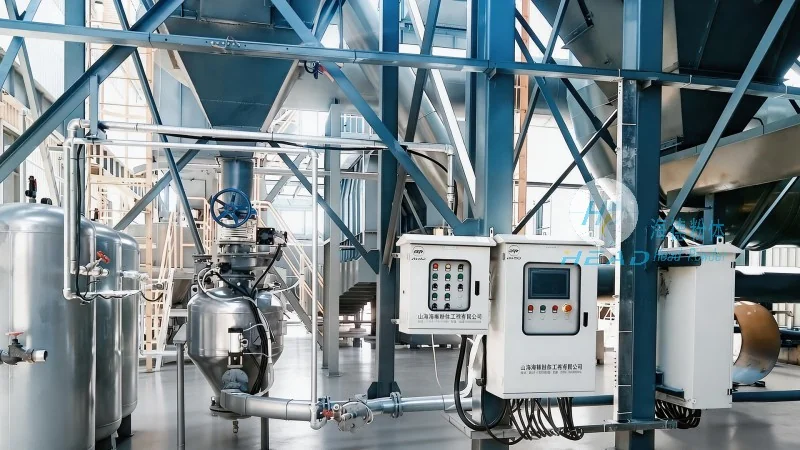
About HeadPowder Engineering Co., Ltd.
HeadPowder, or Shandong HeadPowder Engineering Co., Ltd., is a reputable company based in Shandong, China. With a focus on engineering solutions for material handling, the company has established itself as a trusted partner for industries requiring advanced pneumatic conveying technologies. Their expertise lies in optimizing the flow of bulk materials, ensuring safety, efficiency, and durability in conveying systems.
The Working Principle of Pneumatic Conveying for Corn Kernels
Pneumatic conveying systems for corn kernels operate on the principle of using air to transport solid particles through a pipeline. The process involves several key components and steps that work in tandem to move the material from the source to the destination. At the heart of the system is the air mover, which generates the necessary pressure or vacuum to propel the corn kernels. This air mover can be a positive displacement blower or a rotary lobe pump, depending on the system design and the specific requirements of the application.
The corn kernels are introduced into the system at the inlet, where they are mixed with the air stream. The air velocity is carefully controlled to ensure that the corn kernels are carried along without excessive wear or degradation. The conveying line is typically made of materials such as stainless steel or plastic, which are resistant to corrosion and abrasion from the corn kernels. The system may include various components like cyclones, filters, and silos to separate the air from the material and store the corn kernels at the destination.
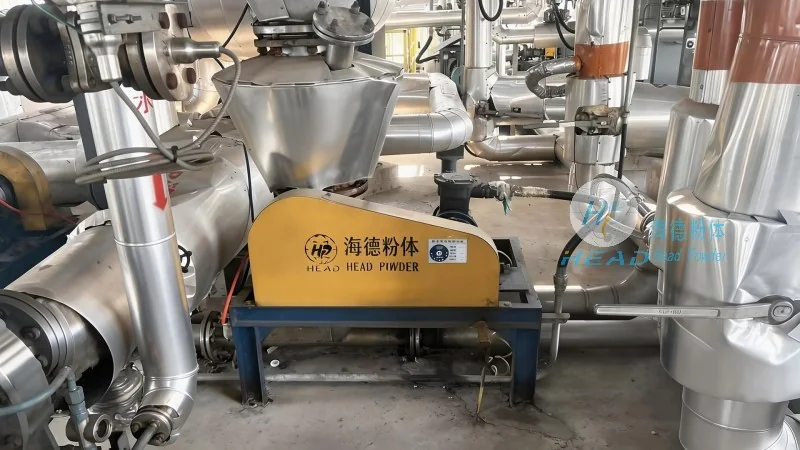
The Operational Process of Corn Kernels Pneumatic Conveying
The operational process of a corn kernels pneumatic conveying system involves several sequential steps that ensure the efficient movement of the material. First, the corn kernels are loaded into a hopper or storage bin at the source location. The hopper is equipped with a feeder, which regulates the flow of the corn kernels into the conveying line. The feeder may be a rotary valve or a screw conveyor, depending on the system design, and it ensures a consistent and controlled feed rate.
Next, the air mover is activated, creating a pressure differential that draws the corn kernels and air into the conveying line. The air velocity is maintained at a level that is sufficient to lift and transport the corn kernels without causing them to settle or clog the line. The conveying line is typically a straight or slightly curved pipeline that connects the source to the destination, such as a processing plant or a storage silo.
At the destination end, the corn kernels are separated from the air using a cyclone or a filter. The cyclone uses centrifugal force to separate the heavier corn kernels from the lighter air, while the filter traps any fine particles or dust. The separated corn kernels are then collected in a silo or a bin, ready for further processing or storage. The air, now filtered and cleaned, is either discharged to the atmosphere or recirculated back into the system to improve efficiency.
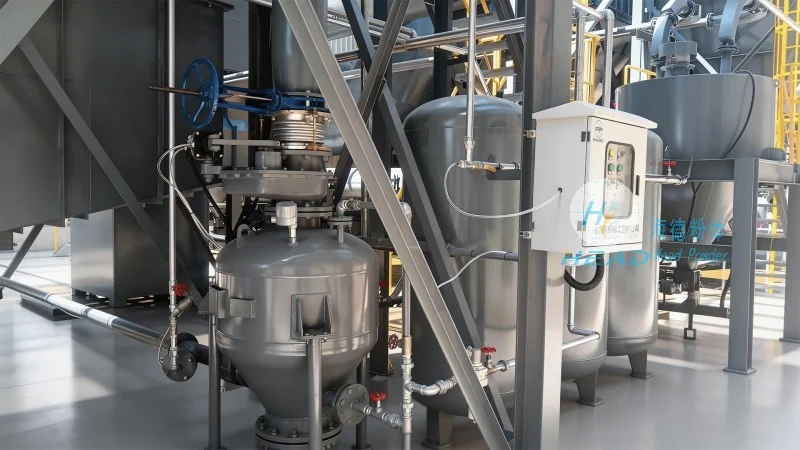
Advantages of Pneumatic Conveying for Corn Kernels
Pneumatic conveying systems offer several advantages over traditional methods like belt conveyors or bucket elevators for handling corn kernels. One of the primary benefits is the ability to transport the material in a closed system, which reduces dust emissions and improves workplace safety. This is particularly important for corn kernels, as they can generate significant dust during handling, which poses health risks and can affect the quality of the product.
Another advantage is the flexibility of the system. Pneumatic conveying can handle a wide range of particle sizes and shapes, including irregularly shaped corn kernels. The system can also be easily modified or expanded to accommodate changes in production volume or processing requirements. Additionally, the closed pipeline design minimizes the risk of contamination from external sources, ensuring the purity of the corn kernels.
Conclusion
HeadPowder Engineering Co., Ltd. provides comprehensive solutions for corn kernels pneumatic conveying systems, combining advanced engineering with practical application. By understanding the working principles and operational process, industries can leverage these systems to enhance efficiency, safety, and product quality. With a strong presence in Shandong, China, HeadPowder continues to innovate and deliver reliable material handling solutions for agricultural and industrial applications.