

Operation Process and Working Principle of Pneumatic Conveying for Masterbatch Materials
Masterbatch materials, as a critical component in the plastic processing industry, require efficient and reliable material handling solutions to ensure smooth production workflows. Pneumatic conveying systems have emerged as a preferred method for transporting these materials due to their ability to handle fine powders and granules with minimal product degradation. This article delves into the operation process and working principle of pneumatic conveying for masterbatch materials, highlighting the key mechanisms and practical applications.
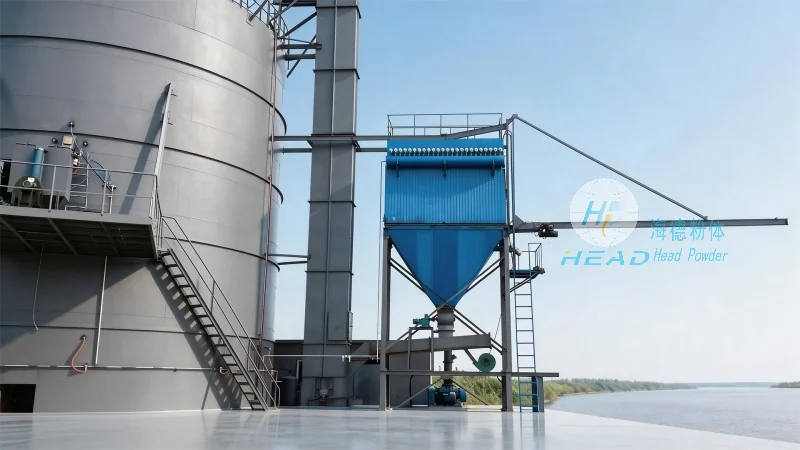
HeadPowder, a leading manufacturer in the field, specializes in providing advanced pneumatic conveying solutions tailored to the unique characteristics of masterbatch materials. With a strong focus on innovation and quality, the company has developed systems that optimize material transport while maintaining product integrity. The following sections outline the fundamental principles and operational steps involved in pneumatic conveying for masterbatch materials, supported by the expertise and experience of Shandong HeadPowder Engineering Co., Ltd., based in China.
Working Principle of Pneumatic Conveying Systems
The core of pneumatic conveying is the use of air or gas to transport bulk materials through a pipeline. The system operates by creating a pressure differential between the material source and the destination, enabling the material to be moved without direct contact with mechanical components. For masterbatch materials, which often consist of pigments, additives, and polymer resins, the conveying process must be designed to prevent agglomeration, caking, or degradation. This is achieved through precise control of air velocity, pressure, and flow rate.
There are two primary types of pneumatic conveying systems: suction (or vacuum) and pressure systems. Suction systems draw material from a hopper or storage bin using a vacuum pump, while pressure systems force material through the pipeline using a positive displacement blower or compressor. Each type has its advantages and is selected based on the material characteristics, distance to be conveyed, and plant layout. For masterbatch materials, which are often sensitive to moisture and temperature, suction systems are commonly preferred as they minimize exposure to ambient conditions and reduce the risk of contamination.
Operation Process of Pneumatic Conveying for Masterbatch Materials
The operation process of a pneumatic conveying system for masterbatch materials involves several key steps, each critical to ensuring efficient and reliable transport. The process begins with the material being loaded into a hopper or storage container. From there, the material is drawn into the conveying line by the vacuum pump in a suction system, or pushed through by the pressure blower in a pressure system. The air and material mixture travels through the pipeline to the destination point, such as a mixer, storage silo, or processing machine.
During the conveying process, the system maintains a consistent air velocity to ensure that the material particles are fully suspended and transported without settling or clogging. The air velocity is typically maintained at a level that is sufficient to keep the particles in suspension but not so high as to cause excessive wear on the pipeline or components. The system also includes control valves and sensors to monitor pressure, flow rate, and material level, allowing for real-time adjustments to optimize performance.
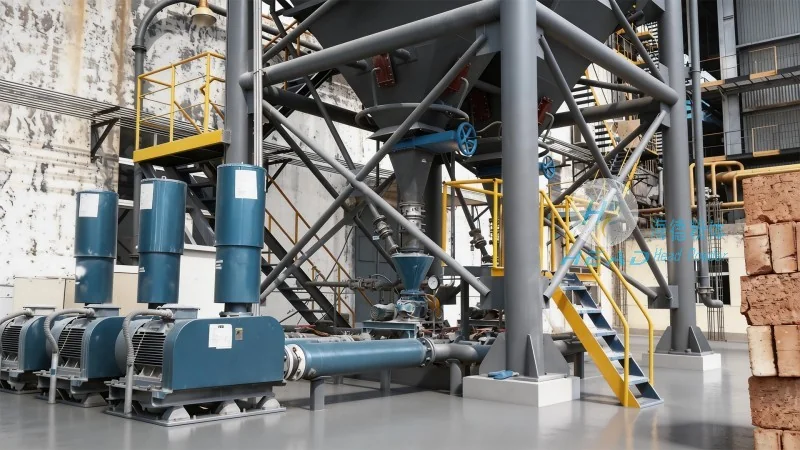
At the destination point, the material is separated from the air using a cyclone separator or a filter. The separated material is then collected in a receiving hopper or silo, while the air is either recirculated back into the system or vented to the atmosphere. The entire process is automated and can be integrated with other production equipment, such as mixers and extruders, to create a seamless material handling workflow.
Key Considerations for Pneumatic Conveying of Masterbatch Materials
When designing and implementing a pneumatic conveying system for masterbatch materials, several factors must be considered to ensure optimal performance and product quality. First, the material's physical properties, such as particle size, density, and moisture content, play a crucial role in determining the appropriate conveying method and system configuration. For example, fine particles may require higher air velocities to maintain suspension, while larger granules may need lower velocities to prevent clogging.
Second, the distance and layout of the conveying system must be carefully planned to minimize pressure losses and ensure sufficient air flow. The pipeline diameter, length, and number of bends all affect the system's efficiency and may require adjustments to the blower or vacuum pump capacity. Additionally, the system must be equipped with appropriate filtration and cleaning mechanisms to prevent material buildup and maintain air quality.
Third, the system's integration with other production equipment is critical for maximizing efficiency. For instance, the conveying system can be synchronized with a mixer to ensure that the masterbatch is added to the polymer at the correct time and in the correct proportion. This integration helps to reduce downtime, improve product consistency, and enhance overall production throughput.

Advantages of Pneumatic Conveying for Masterbatch Materials
Pneumatic conveying offers several advantages over traditional mechanical conveying methods for masterbatch materials. One of the primary benefits is the ability to handle fine powders and granules without the need for mechanical components, which reduces the risk of product contamination and degradation. The system also provides a dust-free and clean environment, which is essential for maintaining product quality and meeting regulatory requirements.
Another advantage is the flexibility of pneumatic conveying systems. They can be easily adapted to changing production needs, such as varying material types or conveyor distances, by adjusting the air flow or system configuration. This flexibility makes them suitable for a wide range of applications, from small-scale laboratory operations to large-scale industrial production.
Furthermore, pneumatic conveying systems are energy-efficient and cost-effective compared to other material handling methods. By minimizing the need for mechanical components and reducing maintenance requirements, the system can lower operational costs and increase overall productivity. The use of recycled air in suction systems also contributes to energy savings and environmental sustainability.
Conclusion
Pneumatic conveying is a highly effective method for transporting masterbatch materials, offering a reliable and efficient solution for the plastic processing industry. The operation process, which involves creating a pressure differential and controlling air flow, ensures that the material is transported without degradation while maintaining product quality. With the expertise of companies like Shandong HeadPowder Engineering Co., Ltd., these systems can be customized to meet the specific needs of individual applications, providing a seamless and efficient material handling solution.
As the demand for high-quality masterbatch materials continues to grow, the importance of efficient material handling systems cannot be overstated. Pneumatic conveying, with its ability to handle fine powders and granules while maintaining product integrity, remains a preferred choice for many manufacturers. By understanding the working principles and operational steps of these systems, companies can optimize their material transport processes and enhance overall production efficiency.