

Operation Process and Working Principle of Potassium Sulfate Powder Pneumatic Conveying System
HeadPowder, a leading provider of industrial material handling solutions, specializes in the design, manufacturing, and installation of advanced pneumatic conveying systems for bulk materials. This article focuses on the operation process and working principle of a potassium sulfate powder pneumatic conveying system, highlighting the key components, operational procedures, and technical principles that ensure efficient and reliable material transport.
System Overview
The potassium sulfate powder pneumatic conveying system is engineered to handle the transportation of potassium sulfate, a critical fertilizer and industrial chemical, from storage silos or processing units to processing plants or storage facilities. The system is designed to maintain the integrity of the powder, minimize dust generation, and ensure safe and efficient operation. HeadPowder, based in Shandong, China, leverages its expertise in material handling to deliver customized solutions that meet the specific requirements of clients in the agricultural and chemical industries.
Key Components of the System
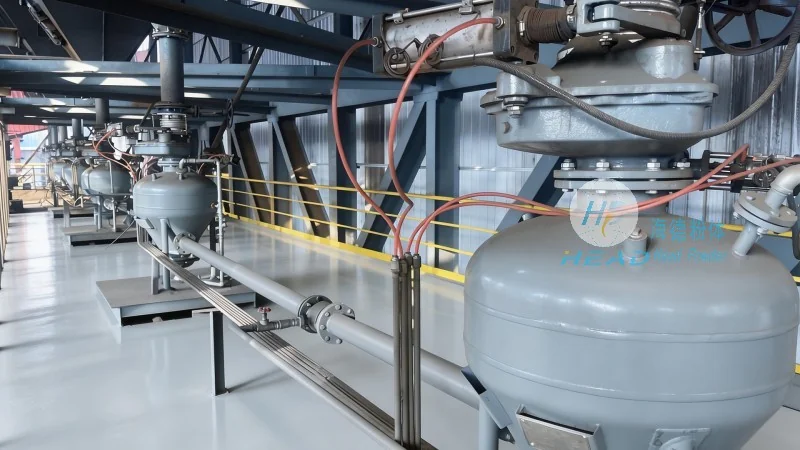
The pneumatic conveying system for potassium sulfate powder typically consists of several essential components, each playing a crucial role in the overall operation. These components include:
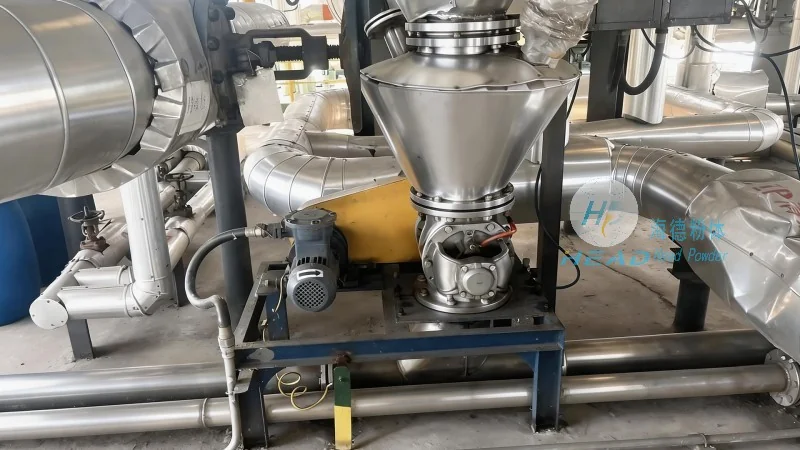
- Feed Hopper: A hopper that stores the potassium sulfate powder and feeds it into the system at a controlled rate. The hopper is equipped with a rotary valve or feeder to regulate the material flow, ensuring consistent and steady input to the conveying line.
- Pneumatic Conveying Line: The main pipeline through which the powder is transported. The line is usually made of stainless steel or other corrosion-resistant materials to handle the chemical properties of potassium sulfate and prevent material degradation or contamination.
- Air Supply System: Comprised of a blower or compressor that generates the necessary air pressure to move the powder particles through the conveying line. The air supply system includes filters to ensure clean air, preventing dust from entering the system and affecting performance.
- Control Panel: An integrated control system that monitors and regulates the operation of the entire system. The control panel allows operators to adjust parameters such as air pressure, material feed rate, and system speed, ensuring optimal performance and safety.
- Receiving Hopper or Discharge Point: The final component where the potassium sulfate powder is deposited. This may be a storage silo, a processing unit, or a transfer point to another system, depending on the application.
Operation Process of the Potassium Sulfate Powder Pneumatic Conveying System
The operation of the potassium sulfate powder pneumatic conveying system follows a systematic process to ensure efficient material transport. The steps involved are as follows:
- Material Loading: The potassium sulfate powder is loaded into the feed hopper from a storage silo or processing unit. The hopper is designed to accommodate the bulk volume of the material and maintain a consistent level.
- Feeding and Air Initiation: The rotary valve or feeder in the hopper opens to allow the powder to enter the pneumatic conveying line. Simultaneously, the air supply system activates, generating the required air pressure to start the conveying process.
- Powder Suspension and Transport: The air flow in the conveying line creates a suspension of the potassium sulfate powder particles, lifting them and moving them through the pipeline. The air velocity is maintained at a level sufficient to keep the particles in suspension, preventing clogging or blockages.
- Transport to Destination: The suspended powder travels through the conveying line to the receiving hopper or discharge point. The system's control panel monitors the flow rate and pressure to ensure the material reaches the destination without loss or degradation.
- Discharge and System Shutdown: Upon reaching the receiving hopper, the powder is discharged and collected. The system is then shut down by reducing the air pressure and stopping the material feed, allowing for maintenance or the start of a new cycle.
Working Principle of the Pneumatic Conveying System
The working principle of the potassium sulfate powder pneumatic conveying system is based on the fundamental concept of pneumatic transport, where air is used as the medium to move bulk materials. The key principles include: