

Operation Process and Working Principle of Sponge Sand Powder Pneumatic Conveying System
Shandong HeadPowder Engineering Co., Ltd. specializes in the design, manufacturing, and implementation of advanced pneumatic conveying systems for various industrial applications, including the efficient handling of sponge sand powder. This article provides a detailed overview of the operation process and working principles of such systems, highlighting their efficiency, reliability, and adaptability in material transport.
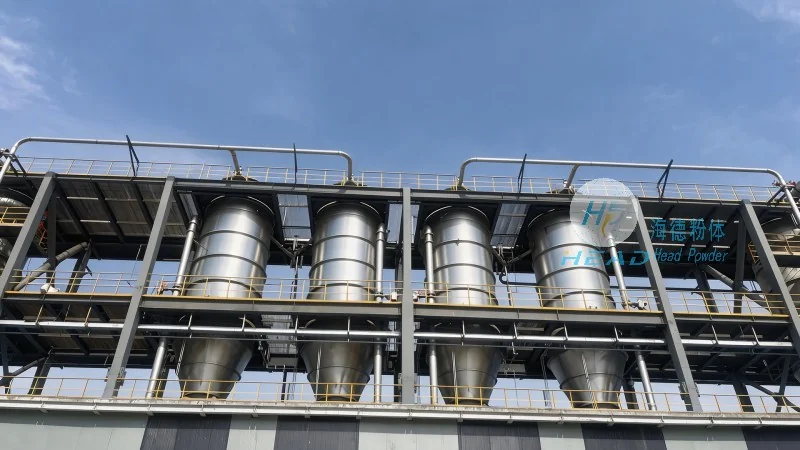
Core Components of the Pneumatic Conveying System
The pneumatic conveying system for sponge sand powder typically consists of several key components that work in tandem to ensure smooth material transport. These components include the material hopper, air compressor, conveying pipeline, and discharge equipment. The material hopper is responsible for storing the sponge sand powder, while the air compressor generates the necessary air pressure to move the material through the pipeline. The conveying pipeline, often made of durable materials like stainless steel or plastic, is designed to withstand the pressure and abrasive nature of the powder. The discharge equipment, such as a rotary valve or a pressure vessel, regulates the release of the material at the destination point.
Working Principle of the System
The working principle of the sponge sand powder pneumatic conveying system is based on the use of compressed air to transport the material. When the system is activated, the air compressor draws in ambient air and compresses it to a specific pressure level. This compressed air is then introduced into the material hopper, where it creates a flow of air and powder mixture. The air flow lifts the sponge sand powder particles and carries them through the conveying pipeline to the discharge point. The velocity of the air and the size of the powder particles determine the efficiency of the conveying process. Proper design of the system ensures that the air velocity is sufficient to overcome the gravitational force acting on the powder particles, allowing for consistent and reliable transport.
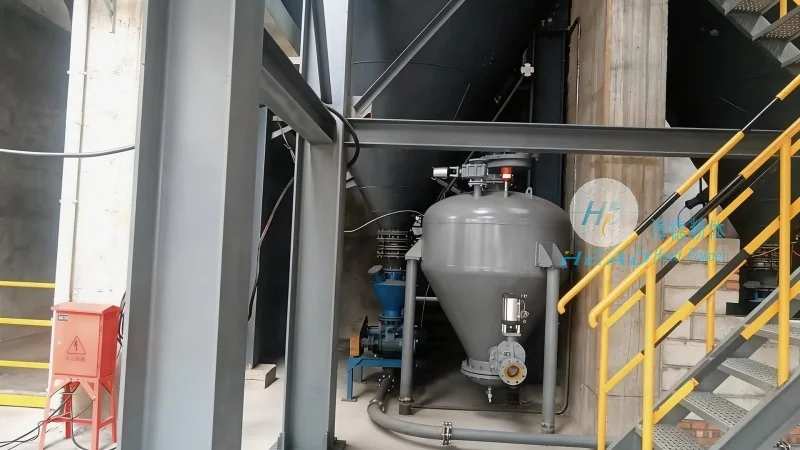
Operation Process: Step-by-Step Guide
The operation process of the sponge sand powder pneumatic conveying system involves several sequential steps that ensure optimal performance. First, the sponge sand powder is loaded into the material hopper. The hopper is equipped with a feeding mechanism, such as a screw feeder or a rotary valve, which controls the flow rate of the material into the system. Next, the air compressor is started, and the compressed air is directed into the hopper. As the air flows into the hopper, it creates a positive pressure that lifts the powder particles and initiates the conveying process. The material is then transported through the pipeline to the discharge point, where it is released into a storage tank or processing equipment. The system is equipped with pressure sensors and flow meters to monitor the operation and adjust the air pressure and flow rate as needed. This ensures that the conveying process remains efficient and consistent, minimizing downtime and maximizing productivity.
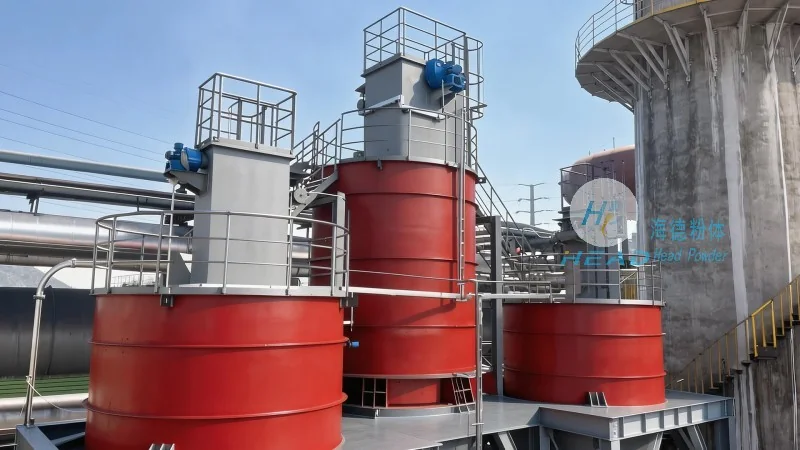
Advantages of the Sponge Sand Powder Pneumatic Conveying System
Shandong HeadPowder Engineering Co., Ltd.'s pneumatic conveying systems for sponge sand powder offer several advantages over traditional material handling methods. One of the primary benefits is the ability to transport the material over long distances without the need for mechanical components like conveyor belts or buckets. This reduces the risk of material contamination and wear on the equipment. Additionally, the system is highly flexible, allowing for easy integration with existing industrial processes and modifications to accommodate different material types or production requirements. The system also provides a dust-free environment, which is crucial for maintaining workplace safety and compliance with environmental regulations. Furthermore, the pneumatic conveying system is energy-efficient, as it uses compressed air, which can be recycled and reused, reducing operational costs.
Applications and Industries
The sponge sand powder pneumatic conveying system is widely used in various industries that require the handling of fine powders. These industries include construction, where sponge sand is used as a lightweight aggregate in concrete and mortar production; manufacturing, where the powder is used in the production of ceramics and refractory materials; and chemical processing, where the material is used as a filler or additive in various products. The system's ability to handle abrasive and fine materials makes it an ideal solution for applications where traditional methods may not be suitable. Shandong HeadPowder Engineering Co., Ltd. has successfully implemented these systems in numerous industrial settings, providing reliable and efficient material transport solutions for its clients.