

The Operation Process and Working Principle of Plaster Powder Material Handling System Equipment
Plaster powder, a critical component in construction and building finishing applications, requires efficient and reliable material handling solutions to ensure smooth production and application processes. The equipment designed for transporting and managing plaster powder plays a vital role in optimizing workflow and maintaining product quality. This article delves into the operation process and working principles of modern plaster powder material handling systems, highlighting key components, operational sequences, and the technological advancements that enhance their performance.
Key Components of the Material Handling System
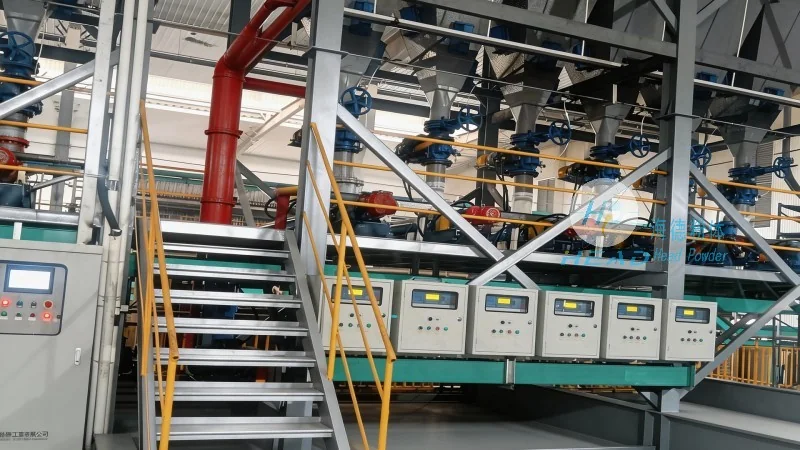
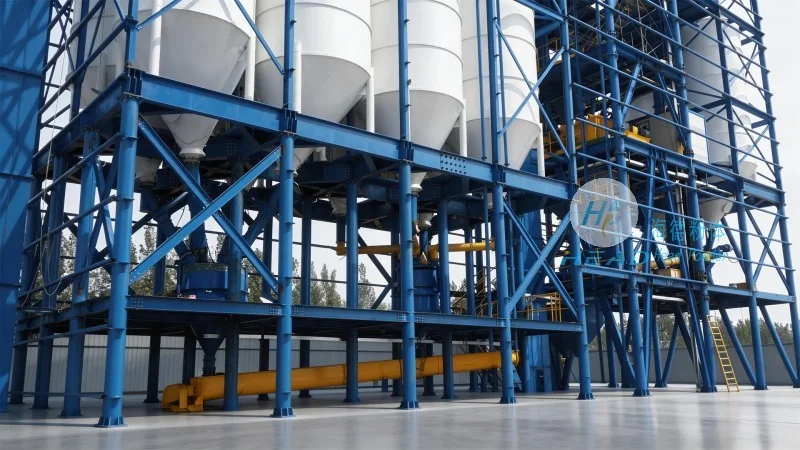
The plaster powder material handling system typically consists of several integrated components that work in tandem to facilitate the movement of powder from storage to processing or application areas. These components include bulk storage silos, conveying systems (such as screw conveyors, pneumatic conveyors, or bucket elevators), feeding mechanisms, and control units. Each component is engineered to handle the specific characteristics of plaster powder, including its fine particle size, moisture sensitivity, and bulk density. The storage silos are designed to minimize dust generation and maintain consistent material flow, while the conveying systems ensure efficient and dust-free transportation. The feeding mechanisms, often equipped with adjustable speed controls, regulate the flow rate of plaster powder to downstream equipment, such as mixers or application machines. The control units, usually integrated with sensors and automation software, monitor system performance, detect anomalies, and adjust operational parameters in real-time to optimize efficiency and prevent downtime.
Operation Process of the Plaster Powder Material Handling System
The operation process of a plaster powder material handling system involves a series of sequential steps that ensure the seamless flow of material from storage to the final application. The process begins with the loading of plaster powder into the bulk storage silo. The silo is equipped with a hopper and a discharge valve that controls the initial release of powder. Once the powder is in the silo, it is fed into the conveying system through a feeding hopper. The conveying system then transports the powder to the processing or application area. For example, in a manufacturing plant, the plaster powder may be conveyed to a mixer where it is combined with other ingredients to form a ready-to-use plaster product. In a construction site, the powder may be conveyed to a spray gun or a trowel for on-site application. The system operates continuously, with the feeding rate adjusted based on the demand from downstream processes. The control unit monitors the pressure, flow rate, and temperature of the system to ensure optimal performance. If any issues arise, such as blockages or changes in material properties, the system automatically triggers alerts or corrective actions to maintain smooth operation.

Working Principle of the Material Handling System
The working principle of the plaster powder material handling system is based on the principles of fluid dynamics and mechanical engineering. The system utilizes various mechanisms to move the powder, each with its own advantages and applications. Screw conveyors, for instance, use rotating screws to push the powder forward, providing a continuous and reliable flow. Pneumatic conveyors, on the other hand, use compressed air to create a vacuum or pressure that propels the powder through a pipeline. Bucket elevators use a chain with buckets to lift the powder vertically, making them suitable for vertical transport. The choice of conveying system depends on factors such as the powder's characteristics, the distance to be covered, and the required flow rate. The system also incorporates dust control measures, such as sealing and filtration, to minimize environmental impact and ensure operator safety. The control unit uses sensors to detect the level of powder in the silo, the flow rate in the conveyor, and the pressure in the system. This data is processed and used to adjust the system's operation, ensuring that the powder is handled efficiently and safely.
Technological Advancements in Plaster Powder Material Handling
Modern plaster powder material handling systems have undergone significant technological advancements to improve efficiency, reduce costs, and enhance safety. Automation and digital control systems have become integral to these systems, allowing for real-time monitoring and adjustment of operational parameters. Sensors, such as level sensors, flow meters, and pressure sensors, provide accurate data on the system's performance, enabling predictive maintenance and reducing downtime. The integration of software platforms allows for centralized control and data analysis, facilitating better decision-making and process optimization. Additionally, advancements in material handling technology, such as the use of high-efficiency conveying systems and advanced dust control equipment, have improved the overall performance of the system. These technological advancements have not only increased the efficiency of plaster powder handling but also reduced the environmental impact and improved workplace safety.

Applications and Benefits of the Material Handling System
The plaster powder material handling system is widely used in various industries, including construction, manufacturing, and building finishing. In construction, the system is used to transport plaster powder to construction sites for on-site application, ensuring a consistent and high-quality finish. In manufacturing, the system is used to transport plaster powder to processing plants, where it is mixed with other ingredients to form ready-to-use products. The benefits of using a plaster powder material handling system include improved efficiency, reduced labor costs, and enhanced product quality. The system also reduces the risk of dust exposure and improves workplace safety by minimizing manual handling of powder. Additionally, the system helps to maintain consistent material flow, ensuring that production processes run smoothly and without interruptions.