

Operation Process and Working Principle of Cement Gray Material Handling System Equipment
HeadPowder, a leading manufacturer based in Shandong, China, specializes in the design, production, and supply of advanced material handling equipment. This article provides a detailed overview of the operation process and working principle of their cement gray material handling systems, highlighting key components, operational steps, and technical insights to help users understand the functionality and efficiency of these systems.
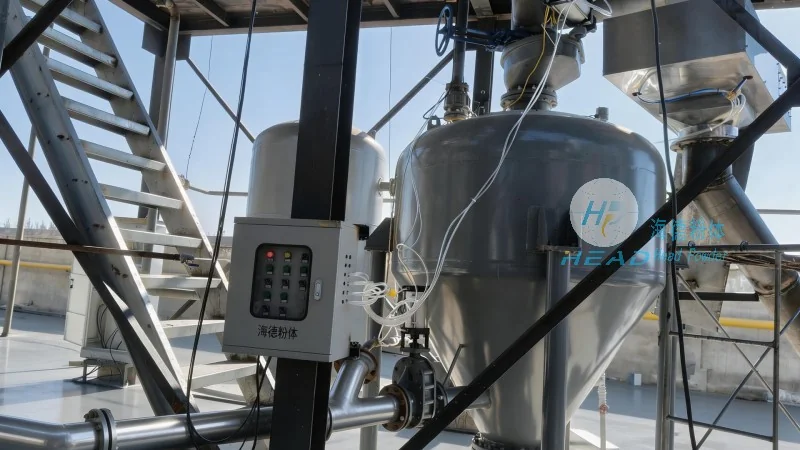
Introduction to Cement Gray Material Handling Systems
HeadPowder Engineering Co., Ltd. is dedicated to delivering high-quality material handling solutions tailored for the cement industry. The cement gray material handling systems are engineered to efficiently transport bulk materials such as cement, fly ash, and other powders. These systems are designed with robust construction and advanced control mechanisms to ensure reliable performance in demanding industrial environments. By understanding the operation process and working principle, users can better appreciate the technology behind these systems and their practical applications in various industrial settings.
Key Components of the Material Handling System
The cement gray material handling system typically consists of several critical components that work in tandem to achieve efficient material transport. These components include:
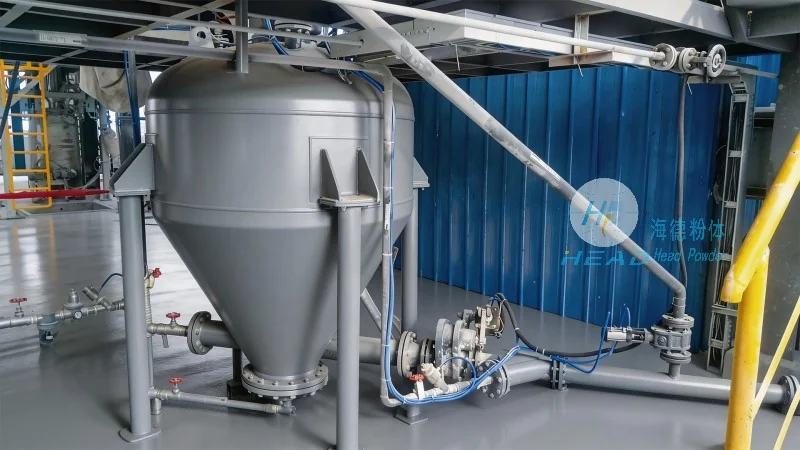
- Feeder: The feeder is responsible for uniformly feeding the bulk material into the system. It ensures a consistent flow rate, preventing material bridging or segregation, which is crucial for maintaining system efficiency.
- Pneumatic Conveying System: This component uses air pressure to transport the material through a network of pipes. The system includes a blower, filter, and receiver, which work together to create a pressure differential that moves the material from the source to the destination.
- Control Panel: The control panel houses the electrical and electronic systems that regulate the operation of the entire system. It includes sensors, switches, and a programmable logic controller (PLC) that monitors and controls the flow of material, air pressure, and system speed.
- Discharge Equipment: The discharge equipment, such as a rotary valve or a gate valve, controls the release of material from the system. It ensures that the material is discharged at the desired rate and location, preventing spills and maintaining safety.
Operation Process of the Cement Gray Material Handling System
The operation process of the cement gray material handling system involves several sequential steps, each designed to ensure smooth and efficient material transport. The process typically begins with the material being loaded into the feeder. The feeder then delivers the material to the pneumatic conveying system, where it is mixed with air and transported through the pipes. The control panel monitors the system parameters, adjusting the air pressure and flow rate as needed to maintain optimal performance. The material is then discharged from the system at the designated location, completing the transport cycle.
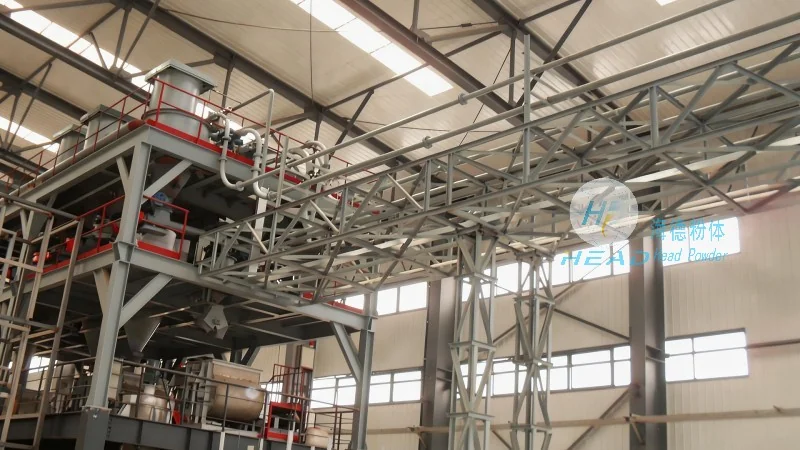
Working Principle of the Material Handling System
The working principle of the cement gray material handling system is based on the principles of pneumatic conveying. The system uses a blower to generate air pressure, which creates a pressure differential between the source and the destination. The material is then entrained in the air stream and transported through the pipes. The filter removes any dust or particles from the air, ensuring that the system operates cleanly and efficiently. The receiver collects the material at the end of the system, and the discharge equipment controls the release of the material. The control panel continuously monitors the system to ensure that all parameters are within the desired range, providing feedback and adjustments as needed to maintain optimal performance.
Advantages of HeadPowder's Cement Gray Material Handling Systems
HeadPowder's cement gray material handling systems offer several advantages over traditional material handling methods. These advantages include: