

Operation Process and Working Principle of Wool Material Conveying System Equipment
Wool material conveying system equipment is a critical component in the textile and processing industries, designed to efficiently handle and transport woolen materials from one stage of production to another. Understanding the operation process and working principle of such equipment is essential for optimizing workflow and ensuring consistent quality in wool processing operations.
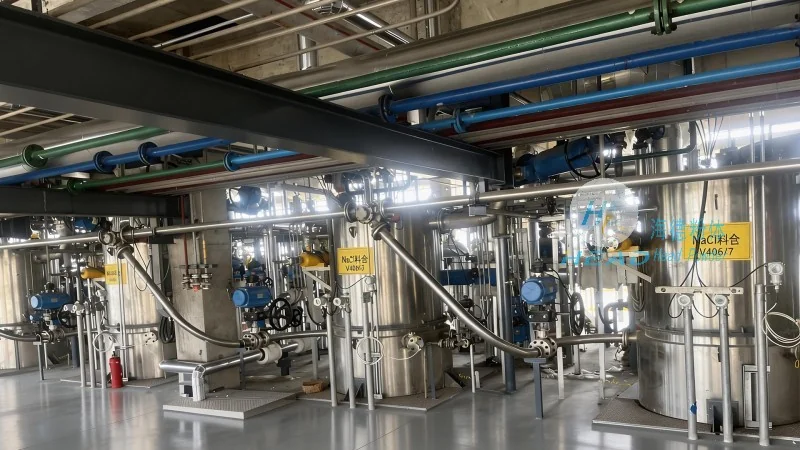
About Headpowder
Headpowder, formally known as Shandong HeadPowder Engineering Co., Ltd., is a leading manufacturer specializing in engineering solutions for material handling and processing systems. With a strong presence in China, particularly in Shandong province, the company has built a reputation for delivering high-quality, reliable equipment tailored to the specific needs of the textile and related industries.
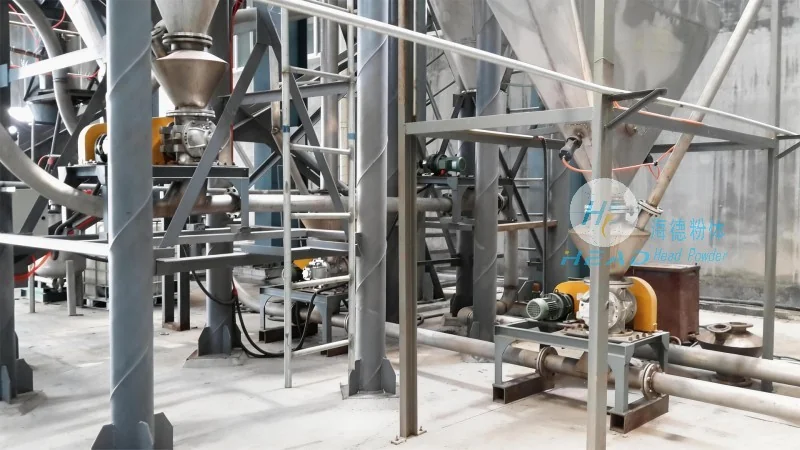
The Operation Process of Wool Material Conveying Systems
The operation of wool material conveying systems typically involves several key stages, each designed to ensure smooth and efficient material flow. The process begins with the initial loading of raw wool or processed woolen materials into the system. This is often done through a hopper or loading chamber, which feeds the material into the primary conveying mechanism. The equipment then uses a combination of mechanical components, such as belts, rollers, or pneumatic systems, to transport the wool through the system. During transit, the material may undergo additional processing steps, such as cleaning, sorting, or blending, depending on the specific requirements of the production line. The system is equipped with sensors and control mechanisms to monitor the flow rate, material level, and operational status, allowing for real-time adjustments to maintain optimal performance. The final stage involves the discharge of processed wool from the system, where it is ready for the next stage of production or packaging.
Working Principle of Wool Material Conveying Equipment
The working principle of wool material conveying systems is based on mechanical and sometimes pneumatic or hydraulic forces to move materials through a defined path. The core components include a drive system, conveyor belts or rollers, and a frame structure that supports the entire setup. The drive system, usually powered by electric motors, provides the necessary force to move the conveyor. In belt conveyors, the motor drives a pulley, which in turn pulls the belt, transporting the wool along its path. Roller conveyors use a series of rollers that rotate, allowing the wool to roll along the system. For more complex systems, pneumatic conveyors may be employed, where compressed air is used to create a flow of material through tubes or ducts. The system also incorporates control valves and sensors to regulate the flow and prevent blockages or overloading. The design of the equipment ensures that the wool is handled gently, minimizing damage to the fibers while maintaining the integrity of the material. This careful handling is crucial for preserving the quality of the wool, which is essential for the final product's texture and appearance.
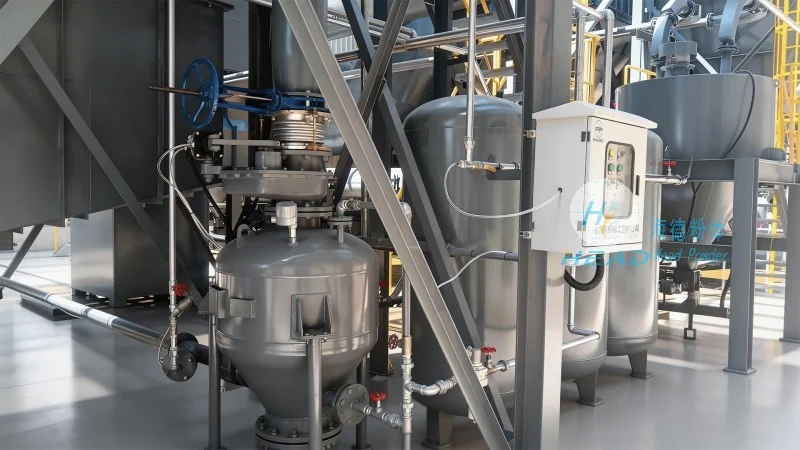
Key Features and Advantages
Wool material conveying systems from Headpowder are engineered with several key features that enhance their performance and reliability. The equipment is designed for durability, with robust construction to withstand the demands of continuous operation in industrial settings. The use of high-quality materials, such as stainless steel or corrosion-resistant components, ensures longevity and resistance to wear and tear. The systems are also equipped with advanced control systems, allowing for precise monitoring and adjustment of operational parameters. This allows operators to maintain consistent material flow rates and prevent issues such as clogging or uneven distribution. Additionally, the equipment is designed for easy maintenance, with accessible components that can be serviced quickly, minimizing downtime. The gentle handling of wool ensures that the fibers remain intact, which is critical for maintaining the quality of the final textile products. The systems are also customizable to meet specific production requirements, including different conveyor lengths, widths, and speeds, making them suitable for a wide range of applications in the textile industry.