

Operation Process and Working Principle of Xiaomi Material Handling System Equipment
Shandong HeadPowder Engineering Co., Ltd. specializes in the design, manufacturing, and integration of advanced material handling systems tailored for diverse industrial applications. The company, commonly known as HeadPowder, is headquartered in Shandong, China, and has established itself as a leading provider of efficient and reliable material handling solutions. This article delves into the operation process and working principle of the Xiaomi material handling system equipment, highlighting its key components, functional mechanisms, and operational workflow.
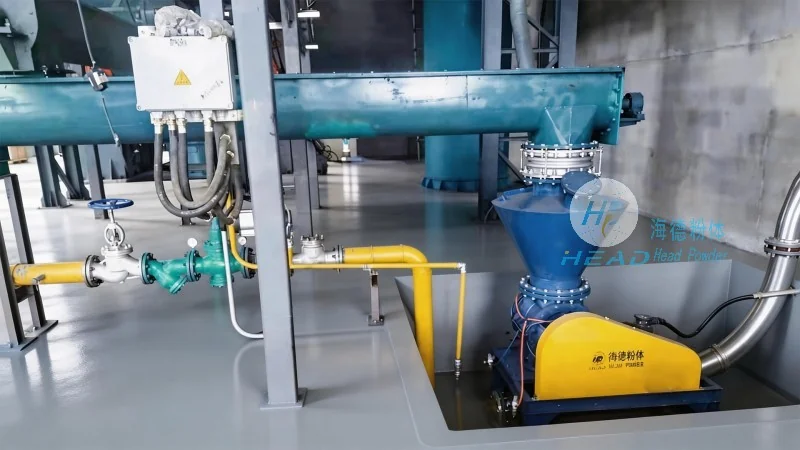
Overview of the Material Handling System
The Xiaomi material handling system is a sophisticated piece of equipment engineered to streamline the movement, storage, and management of materials within industrial settings. It integrates multiple components, including conveyors, control systems, sensors, and power units, to ensure seamless and efficient material flow. The system is designed to handle a wide range of materials, from bulk powders to packaged goods, and is adaptable to various production environments, such as manufacturing plants, warehouses, and distribution centers.
Key Components and Their Functions
The material handling system comprises several critical components that work in tandem to achieve its operational objectives. The primary components include:
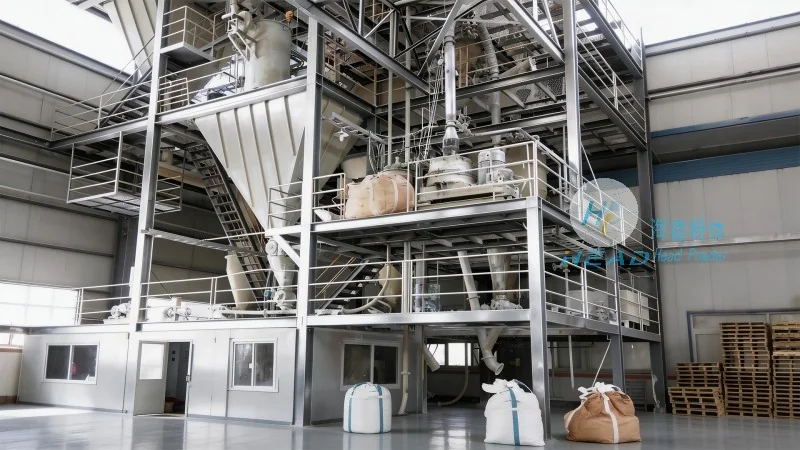
- Conveyor Systems: These are the backbone of the system, responsible for transporting materials from one location to another. Depending on the application, the system may feature belt conveyors, roller conveyors, or chain conveyors, each tailored to handle different material types and load capacities.
- Control Systems: The system is equipped with advanced control units that manage the operation of all components. These units receive input from sensors and user interfaces, process the data, and send control signals to the conveyor motors, actuators, and other devices. The control system ensures precise and coordinated movement of materials, minimizing downtime and maximizing productivity.
- Sensors and Detection Devices: Integrated sensors, such as photoelectric sensors, proximity sensors, and level sensors, monitor the position, speed, and status of materials. These sensors provide real-time feedback to the control system, enabling automatic adjustments and preventing errors or accidents. For example, a photoelectric sensor can detect the presence of a package on a conveyor and trigger the next processing step.
- Power Units: The system relies on power units, including electric motors and drives, to provide the necessary energy for operation. These units convert electrical energy into mechanical energy, driving the conveyor belts, rollers, and other moving parts. The power units are designed for high efficiency and durability, ensuring consistent performance over extended periods.
Working Principle of the System
The working principle of the Xiaomi material handling system is based on a closed-loop control mechanism that ensures continuous and controlled material movement. The process begins with the initiation of a command from the control system, which activates the conveyor motors. As the conveyor starts moving, sensors continuously monitor the position and status of the materials being transported. The control system processes the sensor data and adjusts the conveyor speed or direction as needed to maintain optimal material flow.
For instance, when a material is loaded onto the conveyor at the input end, the system detects its presence via a sensor. The control system then sends a signal to the conveyor motor to maintain a steady speed, ensuring the material moves smoothly to the next processing station. If an obstruction or delay is detected, the system can automatically pause or redirect the conveyor, preventing material accumulation and potential damage.
Operation Process Flow
The operation process of the Xiaomi material handling system follows a systematic workflow that ensures efficient material handling. The typical process includes the following stages:
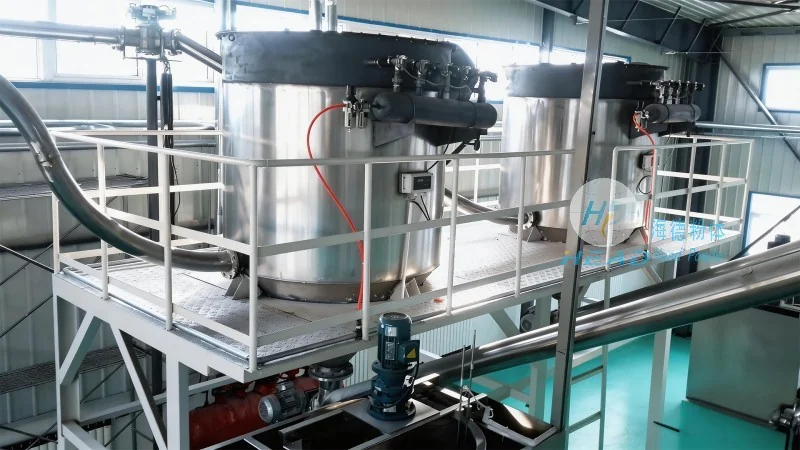
- Material Loading: Materials are loaded onto the conveyor system at the input end. This can be done manually or through automated feeding mechanisms, depending on the application. The system is designed to accommodate various loading methods, such as bulk feeding or individual package loading.
- Transportation: Once loaded, the materials are transported along the conveyor path. The conveyor speed is controlled by the system to ensure that materials reach the next processing station at the appropriate time. The system may include multiple conveyor sections, allowing for horizontal, vertical, or inclined movement of materials.
- Processing and Sorting: At intermediate stations, the materials may undergo processing, such as sorting, packing, or quality inspection. The system integrates processing units, such as sorting machines or packing machines, which are controlled by the central control system. Sensors detect the arrival of materials at these stations and trigger the processing operations.
- Storage and Unloading: After processing, the materials are transported to the storage or unloading area. The system may include storage racks or containers that are automatically filled as materials arrive. The control system manages the unloading process, ensuring that materials are removed from the system in an organized manner.
Technical Advantages and Features
The Xiaomi material handling system offers several technical advantages that enhance its performance and reliability. These include:
- High Efficiency: The system is designed for high throughput, minimizing the time required to transport and process materials. The integrated control system optimizes the operation of all components, reducing idle time and maximizing productivity.
- Reliability and Durability: The equipment is built with high-quality materials and components, ensuring long-term operation with minimal maintenance. The system is designed to withstand harsh industrial environments, including high temperatures, dust, and moisture.
- Flexibility and Customization: The system can be customized to meet specific customer requirements, including different conveyor types, processing capabilities, and control features. This flexibility allows the system to adapt to various production processes and material types.
- Safety Features: The system incorporates multiple safety features, such as emergency stop buttons, safety sensors, and protective guards, to prevent accidents and ensure operator safety. The control system also includes safety protocols that stop the system in case of any abnormal conditions.
Conclusion
The Xiaomi material handling system by Shandong HeadPowder Engineering Co., Ltd. represents a sophisticated solution for efficient material handling in industrial applications. Through its integrated components, advanced control systems, and optimized workflow, the system ensures seamless material movement, processing, and storage. With its focus on efficiency, reliability, and customization, the system meets the diverse needs of modern industries, providing a cost-effective and reliable material handling solution. HeadPowder's expertise in engineering and manufacturing ensures that the system is built to the highest standards, delivering consistent performance and long-term value to its users.