

Operation Process and Working Principle of Mineral Sand Material Handling System Equipment
Shandong HeadPowder Engineering Co., Ltd., located in Shandong, China, specializes in the design, manufacturing, and installation of advanced mineral sand material handling systems. These systems are engineered to efficiently transport various types of mineral sands, such as silica sand, quartz sand, and other industrial mineral powders, over long distances with minimal operational costs and high reliability. The following sections detail the operation process and working principles of these systems, providing a comprehensive understanding of their functionality and benefits.
Key Components of the Mineral Sand Material Handling System
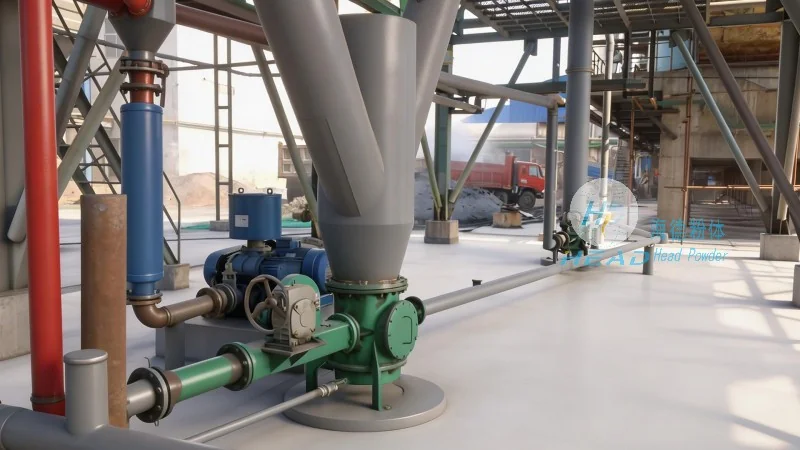
The mineral sand material handling system typically consists of several core components that work in tandem to ensure smooth material transport. These components include the feed hopper, conveyor belt or screw conveyor, drive system, tensioning mechanism, and discharge hopper. The feed hopper is responsible for receiving and storing the mineral sand, while the conveyor belt or screw conveyor serves as the primary transport medium. The drive system, often powered by electric motors, provides the necessary force to move the material along the conveyor. The tensioning mechanism maintains the proper tension of the conveyor belt to prevent slippage and ensure consistent operation. Finally, the discharge hopper collects the material at the end of the transport line, ready for further processing or storage.
The Operation Process of the Mineral Sand Material Handling System
The operation process of the mineral sand material handling system begins with the loading of mineral sand into the feed hopper. As the hopper fills, the material flows by gravity or is gently pushed into the conveyor system. The conveyor belt, driven by the electric motor, moves the mineral sand forward at a controlled speed. The tensioning mechanism continuously adjusts the belt tension to maintain optimal performance, preventing overstretching or slack that could lead to operational issues. The material is transported through the conveyor system, which may include inclines or declines, depending on the layout of the facility. At the discharge end, the mineral sand is collected in the discharge hopper, where it can be transferred to other processing equipment or stored in bulk containers. The entire process is automated and monitored by control systems that ensure consistent and efficient material flow.
Working Principle of the Mineral Sand Material Handling System
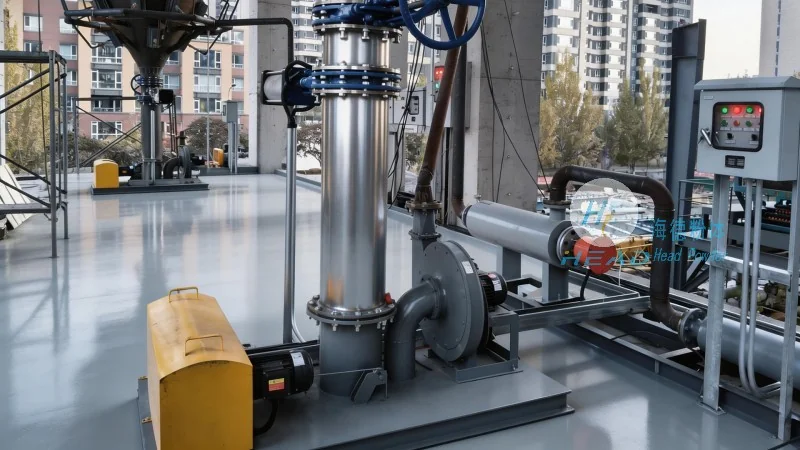
The working principle of the mineral sand material handling system is based on mechanical energy transfer and material flow dynamics. The system utilizes a conveyor mechanism, such as a belt conveyor or screw conveyor, to move the mineral sand from the feed point to the discharge point. The electric motor provides the initial energy, converting electrical power into mechanical motion that drives the conveyor. The feed hopper regulates the flow rate of the mineral sand, ensuring a steady supply to the conveyor. The tensioning system maintains the belt's tension, which is critical for preventing slippage and maintaining the integrity of the material layer on the conveyor. The discharge hopper collects the material at the end of the transport line, completing the cycle. This system operates on the principle of continuous material movement, where the conveyor continuously transports the mineral sand without the need for frequent stops or manual intervention, thereby enhancing productivity and reducing labor costs.
Advantages of the Mineral Sand Material Handling System
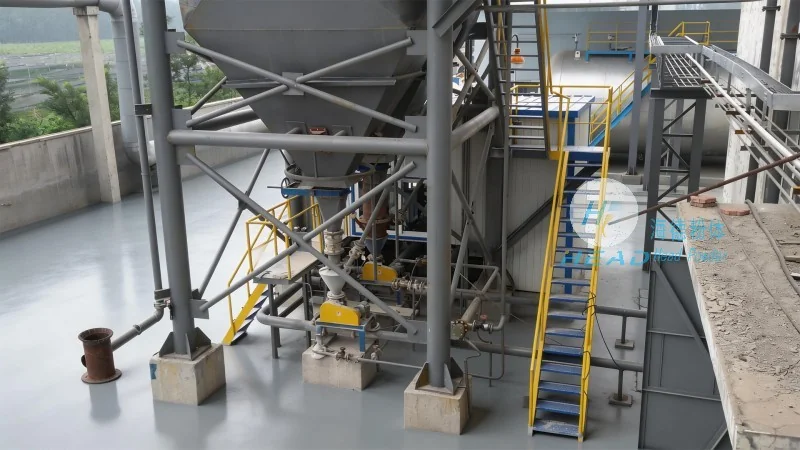
Shandong HeadPowder Engineering Co., Ltd.'s mineral sand material handling systems offer several advantages that make them ideal for industrial applications. Firstly, these systems provide high efficiency in material transport, with the ability to move large volumes of mineral sand over long distances with minimal energy consumption. The automated operation reduces the need for manual labor, lowering operational costs and improving safety. The systems are also designed for durability and reliability, with robust components that can withstand harsh industrial environments and heavy usage. Additionally, the modular design allows for easy customization and integration with existing processing facilities, providing flexibility in system configuration. The consistent material flow and reduced downtime further enhance the overall productivity of the industrial operations.
Conclusion
Shandong HeadPowder Engineering Co., Ltd. provides advanced mineral sand material handling systems that are engineered for efficient, reliable, and cost-effective operation. By understanding the operation process and working principles of these systems, industrial facilities can optimize their material transport processes, improve productivity, and reduce operational costs. The company's commitment to quality and innovation ensures that its systems meet the highest standards of performance and durability, making them a trusted choice for mineral sand handling applications worldwide.