

Operation Process and Working Principle of Dry Powder Mortar Powder Conveying Line
Dry powder mortar powder conveying lines are critical components in the production and distribution of dry mortar products. These systems efficiently transport bulk powders, such as cement, sand, and additives, from storage silos to mixing and packaging units. The smooth operation of these lines is essential for maintaining production efficiency and product quality in construction material manufacturing facilities.
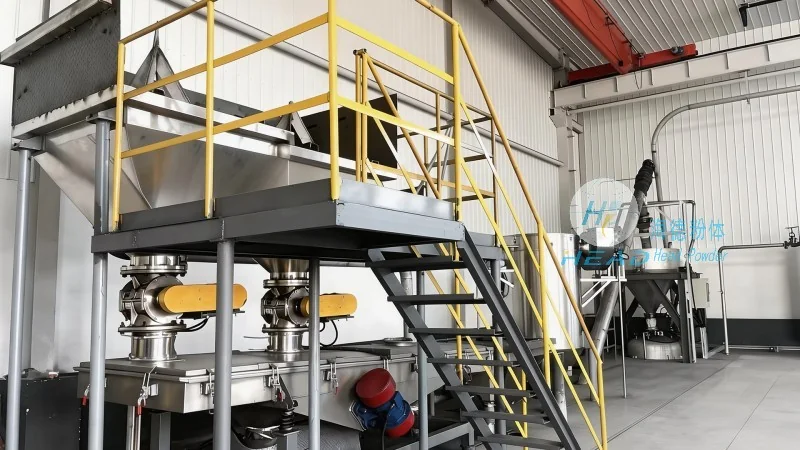
Company Profile: Shandong HeadPowder Engineering Co., Ltd.
HeadPowder, a leading manufacturer in the field of dry powder processing equipment, specializes in designing and supplying advanced conveying solutions for the construction materials industry. With a strong presence in Shandong, China, the company leverages decades of engineering expertise to deliver reliable and efficient powder handling systems. The company's commitment to quality and innovation has established it as a trusted partner for businesses seeking to optimize their dry mortar production processes.
Key Components and Their Functions
The dry powder mortar powder conveying line typically consists of several key components that work in tandem to ensure seamless material transport. The primary components include bulk material storage silos, screw conveyors or pneumatic conveying systems, control panels, and delivery pipelines. Each component plays a crucial role in the overall operation:
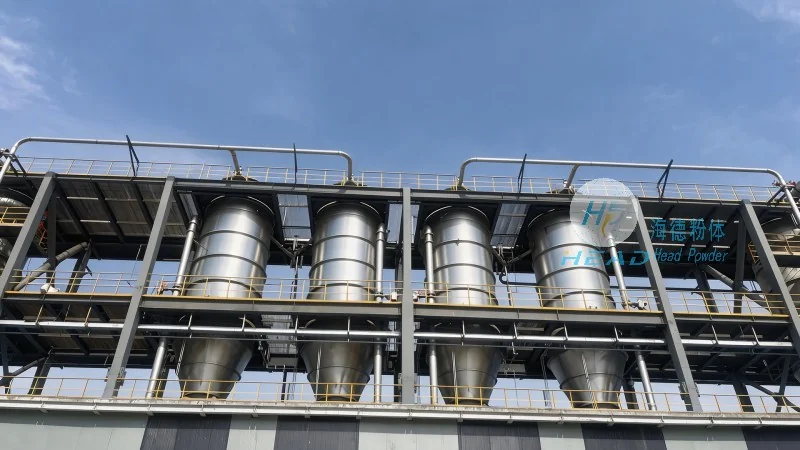
- Storage Silos: These large, airtight containers store raw materials like cement, sand, and additives. They are designed to maintain material quality by preventing moisture absorption and contamination.
- Screw Conveyors: Used for horizontal or slight incline transport, screw conveyors move powders through rotating screws. They are ideal for handling bulk materials with minimal dust generation.
- Pneumatic Conveying Systems: These systems use compressed air to transport powders in a closed pipeline. They are suitable for long-distance or complex routing requirements, offering high efficiency and low maintenance.
- Control Panels: Equipped with sensors and automation controls, these panels monitor and regulate the conveying process. They ensure precise flow rates, pressure management, and system safety.
- Pipelines: High-quality, corrosion-resistant pipelines transport the powders from storage to the mixing or packaging areas. Proper pipeline design minimizes material degradation and ensures consistent flow.
Operation Process of the Conveying Line
The operation of a dry powder mortar powder conveying line follows a systematic sequence to ensure efficient material handling. The process typically begins with the loading of raw materials into the storage silos. Once loaded, the control system initiates the conveying sequence. Here are the key steps involved:
- Material Preparation: Raw materials are stored in the silos, where they are kept under controlled conditions to maintain quality. The system may include pre-drying or conditioning steps to ensure the powders are in optimal state for transport.
- Conveying Initiation: The control panel sends signals to start the conveying equipment. For screw conveyors, the rotating screws move the material forward. For pneumatic systems, compressed air is activated to create a flow of powders through the pipelines.
- Material Transfer: The powders are transported from the storage silos to the mixing or packaging stations. The system may include intermediate storage hoppers or buffer tanks to regulate flow and prevent overloading.
- Flow Regulation: The control system continuously monitors flow rates and pressure. Adjustments are made in real-time to maintain consistent material delivery, ensuring that the downstream processes (mixing or packaging) receive the correct quantities of each component.
- System Shutdown: The conveying process stops when the required amount of material has been transferred or when the system is idle. The control panel ensures safe shutdown procedures, including venting and pressure relief.
Working Principle of the Conveying Line
The working principle of a dry powder mortar powder conveying line is based on mechanical or pneumatic forces to move bulk powders through a closed system. The specific method (screw or pneumatic) determines the underlying physics and operational dynamics:
Mechanical Conveying (Screw Conveyors): In this approach, a rotating screw (helical blade) inside a U-shaped tube moves the material forward. The screw's rotation creates a pushing force that propels the powders along the tube. The speed of the screw and the pitch (distance between screw flights) are adjusted to control the flow rate. This method is suitable for materials that are not too fine or abrasive, as the screw can handle a wide range of bulk densities.
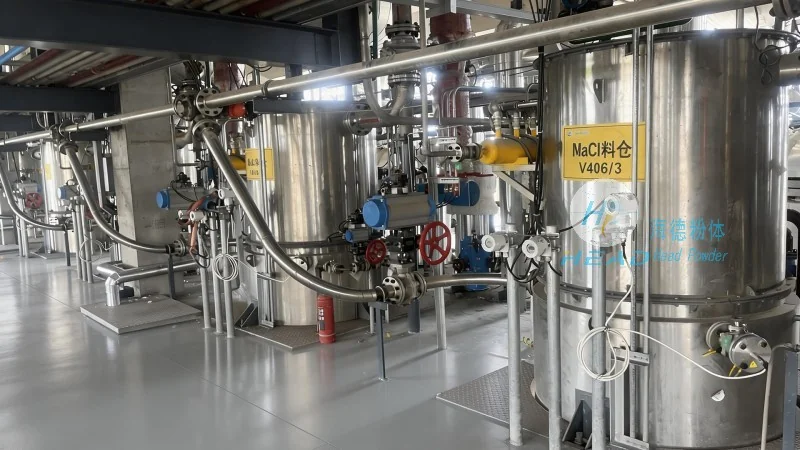
Pneumatic Conveying: This method uses compressed air to create a flow of powders within a pipeline. The air is introduced at one end of the pipeline, and the powders are carried along by the air stream. The system can be classified as positive or negative pressure, depending on whether the pipeline is under pressure or vacuum. Positive pressure systems are common for short-distance or horizontal transport, while negative pressure systems are used for longer distances or when handling fine powders that may cause dust issues.
The control system integrates sensors (e.g., pressure sensors, flow meters) and automation logic to regulate the conveying process. It ensures that the system operates within safe parameters, preventing overpressure, underflow, or material blockages. The system's design also considers factors such as material properties (e.g., particle size, moisture content), pipeline length, and the need for dust control, all of which impact the efficiency and reliability of the conveying operation.