

Operation Process and Working Principle of Alumina Crystal Powder Conveying Line
Alumina crystal powder conveying lines are critical in industrial applications, particularly in the production and handling of high-purity alumina materials. These systems are designed to efficiently transport fine powders while maintaining product integrity and operational safety. Understanding the operation process and working principle of such lines is essential for optimizing performance and ensuring reliable material handling in various industrial settings.
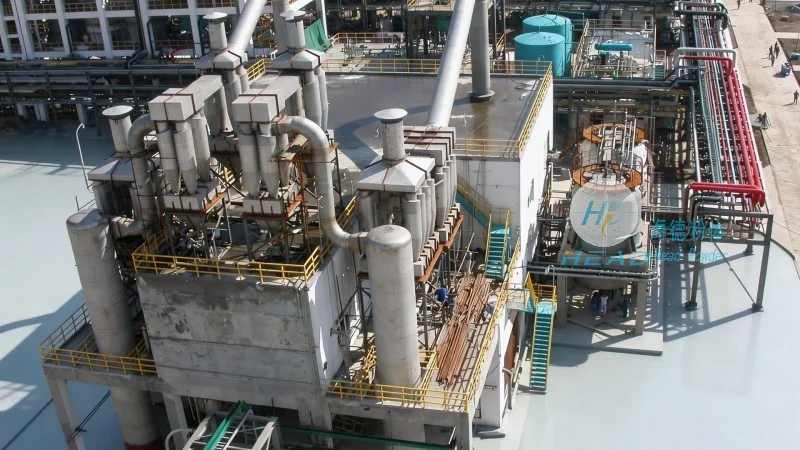
Overview of Alumina Crystal Powder Conveying Lines
Alumina crystal powder conveying lines are specialized systems engineered to transport fine alumina powders from storage or processing units to end-use applications. These systems typically consist of a series of components, including hoppers, feeders, conveyors, and control systems, all integrated to ensure smooth and continuous material flow. The design of these lines is tailored to handle the unique properties of alumina crystals, such as their fine particle size, high density, and potential for static electricity, which require specialized handling techniques to prevent clogging, segregation, or loss of product quality.
Key Components and Their Functions
The operation of an alumina crystal powder conveying line relies on several key components, each playing a crucial role in the overall process. The primary components include:
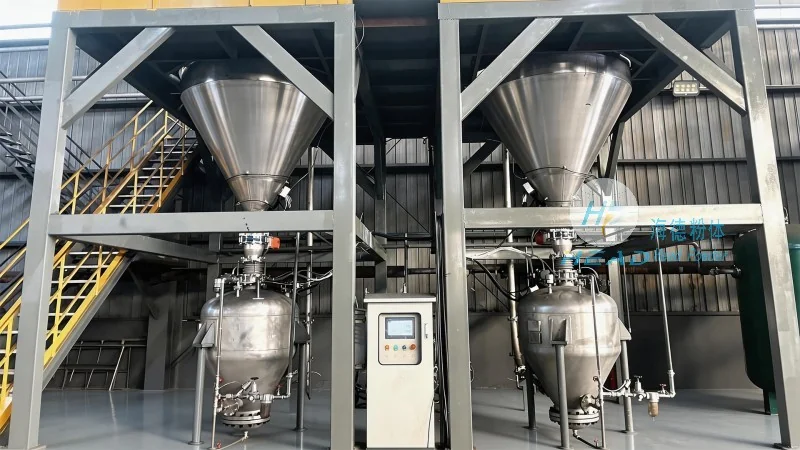
1. Hoppers: These are large containers used to store the alumina powder before it is fed into the conveying system. Hoppers are designed with smooth, non-stick surfaces to prevent powder accumulation and ensure uniform feeding. They often feature level indicators and discharge valves to control the flow rate.
2. Feeders: Feeders are responsible for controlling the rate at which the powder is released from the hopper into the conveyor. Common types include rotary valves, vibratory feeders, and screw feeders, each chosen based on the powder's characteristics and the required flow rate. The feeder ensures a consistent and controlled feed, preventing overloading or underfeeding of the conveyor.
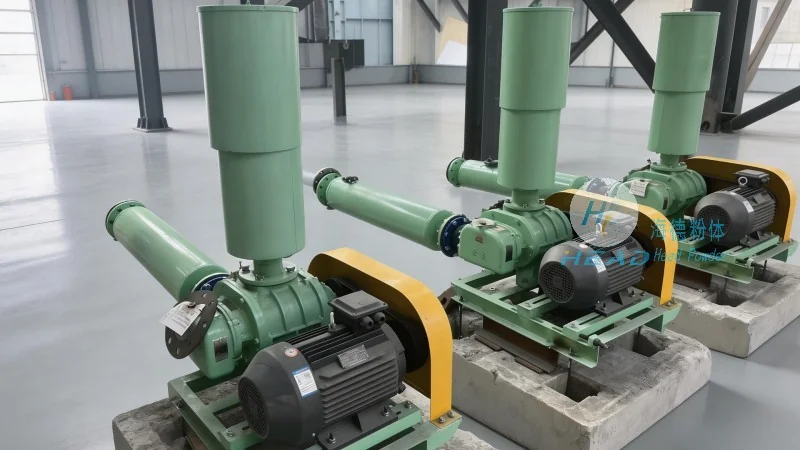
3. Conveyors: The conveyor system is the core of the powder conveying line, responsible for transporting the powder from the feeder to the destination. Conveyors can be classified into different types, such as pneumatic (air-suspended) or mechanical (belt, screw, or chain) systems. Pneumatic conveyors use air pressure to move the powder, while mechanical conveyors rely on physical contact and mechanical force. The choice of conveyor type depends on factors like the powder's moisture content, particle size, and the distance to be covered.
4. Control Systems: Modern alumina crystal powder conveying lines are equipped with advanced control systems that monitor and regulate the entire process. These systems include sensors for level, flow, and pressure, as well as programmable logic controllers (PLCs) that adjust the feeder speed, conveyor speed, and other parameters in real-time. The control system ensures optimal operation, reduces downtime, and enhances safety by preventing overpressure or underflow conditions.
Operation Process Overview
The operation process of an alumina crystal powder conveying line typically follows a sequential sequence of steps to ensure efficient and reliable material transport. The process begins with the loading of the hopper with alumina powder. Once the hopper is filled, the feeder starts to release the powder at a controlled rate. The feeder's output is then directed into the conveyor system, which transports the powder to the desired destination, such as a processing unit, storage tank, or packaging area.
During the operation, the control system continuously monitors the flow rate, pressure, and level of the powder in the hopper and conveyor. If any parameter deviates from the set points, the control system automatically adjusts the feeder speed or conveyor speed to maintain optimal conditions. For example, if the hopper level drops below a certain threshold, the feeder speed may increase to prevent the conveyor from starving. Conversely, if the hopper level is too high, the feeder speed may decrease to avoid overloading the conveyor.
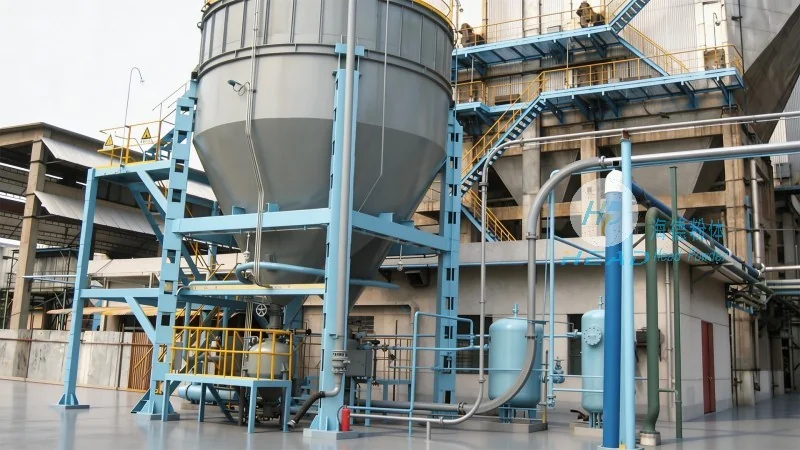
The conveying process continues until the powder is fully transferred from the hopper to the destination. At the end of the process, the control system may signal the feeder to stop, and the conveyor may be cleaned or prepared for the next batch of powder. The entire operation is designed to be continuous and automated, minimizing the need for manual intervention and ensuring consistent performance.
Working Principle Explained
The working principle of an alumina crystal powder conveying line is based on the fundamental principles of fluid dynamics and mechanical transport. The system operates by converting the potential energy of the powder in the hopper into kinetic energy, which is then used to move the powder through the conveyor. The key principles involved include:
1. Gravity and Pressure Differentiation: The primary driving force for the powder flow is gravity, which causes the powder to move from a higher elevation (hopper) to a lower elevation (conveyor outlet). The pressure difference between the hopper and the conveyor creates a flow rate that is proportional to the head (vertical distance) and the resistance of the system.
2. Air Suspension (for Pneumatic Conveyors): In pneumatic conveying systems, the powder is suspended in a stream of air and transported through pipes. The air flow creates a low-pressure zone that draws the powder into the air stream, allowing it to be carried to the destination. The velocity of the air and the particle size determine the efficiency of the conveying process.
3. Mechanical Force (for Mechanical Conveyors): Mechanical conveyors, such as belt or screw conveyors, use mechanical components to move the powder. The conveyor belt or screw rotates, creating a moving surface that pushes the powder forward. The speed of the conveyor and the pitch of the screw determine the flow rate and the distance the powder can be transported.
4. Electrostatic Control: Alumina powders are often prone to static electricity, which can cause powder accumulation, clogging, or even fire hazards. Modern conveying lines incorporate electrostatic control measures, such as grounding systems and ionizers, to neutralize the static charge and ensure safe and efficient operation.
Company Information and Services
Shandong HeadPowder Engineering Co., Ltd. (headpowder) is a leading provider of alumina crystal powder conveying line solutions, specializing in the design, manufacturing, and installation of high-quality industrial conveying systems. With years of experience in the industry, the company has developed a deep understanding of the unique challenges associated with handling alumina powders and has developed innovative solutions to address these challenges.
HeadPowder offers a comprehensive range of services, including custom design and engineering of conveying lines tailored to specific customer requirements. The company's team of experts works closely with clients to understand their operational needs and provide solutions that optimize performance, reduce downtime, and enhance safety. HeadPowder's products are known for their durability, efficiency, and reliability, making them a trusted choice for industries that rely on high-purity alumina materials.
Located in Shandong, China, HeadPowder leverages its local expertise and resources to deliver high-quality products and services to clients worldwide. The company's commitment to quality and customer satisfaction has earned it a reputation as a leading supplier in the alumina processing industry. Whether for new installations or upgrades to existing systems, HeadPowder provides comprehensive support to ensure that clients achieve their operational goals.