

Operation Process and Working Principle of Wet Ammonium Nitrate Powder Conveying Line
Shandong HeadPowder Engineering Co., Ltd., commonly known as headpowder, is a leading manufacturer specializing in the design and production of powder conveying systems. With its headquarters located in Shandong, China, the company has established itself as a trusted provider of reliable and efficient solutions for the transportation of various bulk materials, including wet ammonium nitrate. This article provides an in-depth look at the operation process and working principle of a wet ammonium nitrate powder conveying line, highlighting the key components and operational aspects that contribute to its effectiveness.
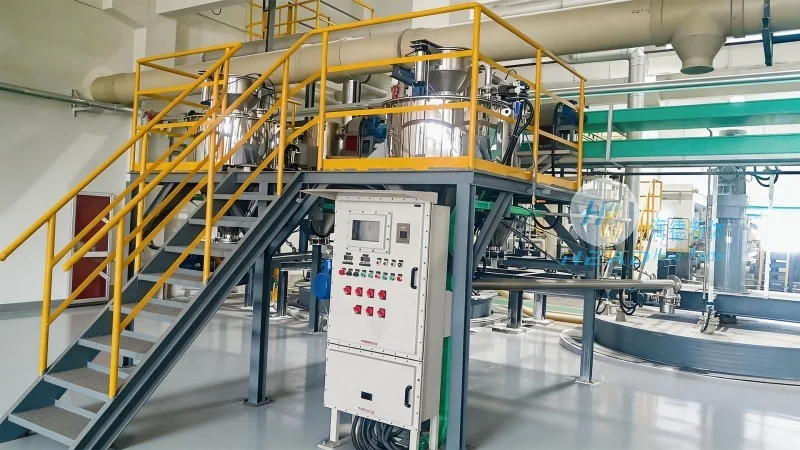
Introduction to Wet Ammonium Nitrate Powder Conveying Line
The wet ammonium nitrate powder conveying line is a specialized system engineered to handle the transportation of wet, granular ammonium nitrate from storage facilities to processing units. Wet ammonium nitrate, a common ingredient in nitrogen-based fertilizers, presents unique challenges due to its hygroscopic nature and potential for clogging or sticking to surfaces. The conveying line is designed to address these challenges by combining mechanical and pneumatic components to ensure safe, efficient, and continuous material transfer. The system is typically used in fertilizer production plants, where the reliable movement of wet ammonium nitrate is critical for maintaining production efficiency and product quality.
Key Components of the Conveying Line
The wet ammonium nitrate powder conveying line consists of several key components that work together to facilitate material transport. These components include a feed hopper, a screw conveyor or pneumatic conveyor system, a pipeline network, a control system, and a discharge unit. The feed hopper is responsible for receiving the wet ammonium nitrate from a storage silo or hopper, ensuring a consistent supply of material to the conveying system. The screw conveyor, often used for horizontal or slight incline transport, uses rotating screws to push the material forward, providing a positive displacement method that is effective for handling wet, sticky materials. Alternatively, a pneumatic conveyor system may be employed, which uses compressed air to create a flow of material through the pipeline, suitable for longer horizontal or vertical transport distances.
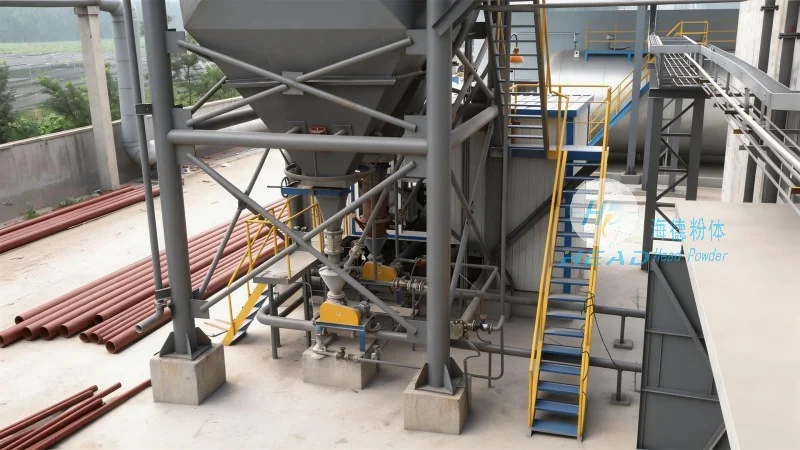
Operation Process of the Conveying Line
The operation of the wet ammonium nitrate powder conveying line begins with the material being loaded into the feed hopper. The material, typically in a wet, granular state, is then transferred to the conveyor system. The screw conveyor or pneumatic conveyor starts operating, moving the material through the pipeline to the receiving end. The control system monitors the flow rate and pressure within the system, adjusting the speed of the conveyor or the air pressure as needed to maintain a consistent flow. At the receiving end, the material is discharged into a processing vessel, such as a mixer or a reactor, or into another storage unit. The system is equipped with safety features, including pressure relief valves and flow monitors, to prevent overpressure and ensure smooth operation. The entire process is automated, with the control system managing the start and stop of the conveyor, the flow rate, and the discharge of the material. This automation minimizes human intervention, reduces the risk of accidents, and ensures consistent performance.
Working Principle of the Conveying Line
The working principle of the wet ammonium nitrate powder conveying line is based on the combination of mechanical and pneumatic forces to move the material through the system. The screw conveyor operates by rotating a helical screw within a trough, which pushes the material forward along the conveyor path. This positive displacement method is effective for handling wet, granular materials as it provides a continuous and controlled flow, preventing the material from settling or clogging. The pneumatic conveyor, on the other hand, uses compressed air to create a flow of material through the pipeline. The air pressure forces the material to move along the pipeline, with the velocity of the air determining the speed of the material transport. In some cases, a combination of both screw and pneumatic systems is used, where the screw conveyor is used for the initial transport and the pneumatic system for the final delivery, providing a hybrid approach that optimizes material handling.
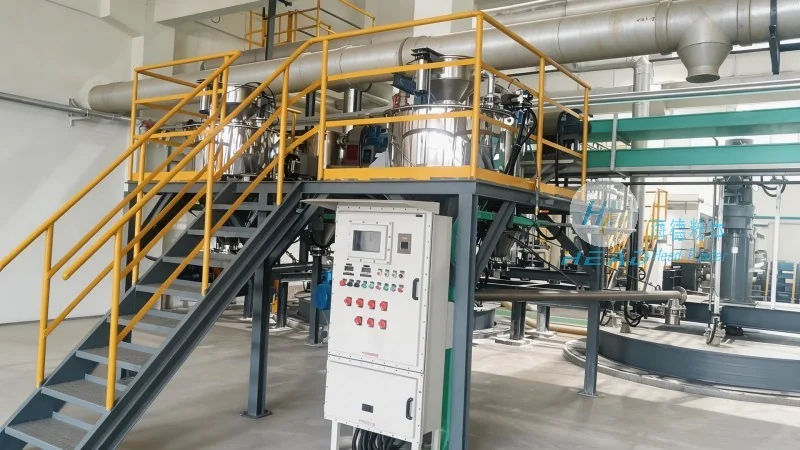
Material Handling Considerations
Handling wet ammonium nitrate requires special considerations due to its properties. The material is hygroscopic, meaning it absorbs moisture from the air, which can affect its flow characteristics and cause clogging. The conveying line is designed with anti-corrosion materials, such as stainless steel or coated components, to withstand the corrosive nature of wet ammonium nitrate. Wear-resistant materials are also used in the screw conveyor and pipeline to prevent abrasion from the granular material. The system is equipped with cleaning mechanisms, such as rotary air locks or cleaning balls, to remove any buildup or clogs that may occur during operation. Additionally, the control system monitors the temperature and humidity of the material, adjusting the conveying parameters to maintain optimal conditions and prevent material degradation.
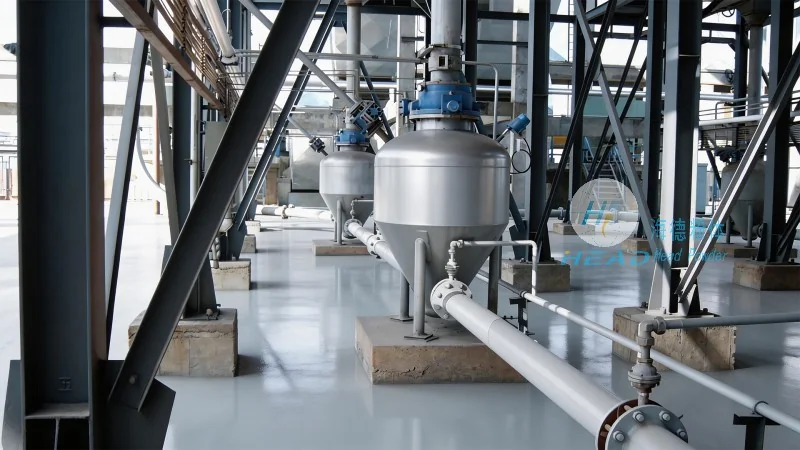
Efficiency and Safety Features
The wet ammonium nitrate powder conveying line is designed with efficiency and safety as top priorities. The system incorporates several features to enhance operational efficiency, including variable speed drives for the conveyor, which allow for adjustment of the flow rate based on production needs. The control system also monitors the pressure and flow within the pipeline, providing real-time data to operators and enabling quick adjustments to maintain optimal performance. For safety, the system includes emergency shut-off valves, pressure relief valves, and interlocks to prevent accidents. The use of explosion-proof components is also common in areas where the material may pose a fire or explosion risk. The system is also equipped with dust suppression systems to minimize the release of fine particles into the air, ensuring a safe working environment for personnel.
Applications and Benefits
The wet ammonium nitrate powder conveying line is widely used in the fertilizer industry, where it plays a critical role in the production of nitrogen-based fertilizers. The system is also applicable in other industries that handle similar wet, granular materials, such as chemical processing and mining. The benefits of using this conveying line include improved material handling efficiency, reduced downtime due to clogging or maintenance, and enhanced safety through automated controls and safety features. By ensuring the reliable and continuous transport of wet ammonium nitrate, the system contributes to increased production capacity and product quality, making it an essential component in modern industrial operations.