

Operation Process and Working Principle of Zinc Roast Sand Pneumatic Conveying System Equipment
As a professional manufacturer in the field of powder processing equipment, Shandong HeadPowder Engineering Co., Ltd. specializes in providing advanced solutions for material handling, particularly in the application of zinc roast sand pneumatic conveying systems. This article aims to provide a comprehensive overview of the operational process and working principles of such systems, highlighting the technical aspects and practical applications that ensure efficient and reliable material transport in industrial settings.
Introduction to Zinc Roast Sand Pneumatic Conveying Systems
Zinc roast sand, a key byproduct in the zinc smelting process, requires specialized handling equipment to ensure safe and efficient transport from production sites to processing or storage facilities. Pneumatic conveying systems offer a non-contact, low-maintenance method for transporting bulk materials like zinc roast sand, which is often dusty and abrasive. The systems are designed to handle the unique properties of zinc roast sand, including its particle size, moisture content, and potential for caking, while maintaining high throughput and minimal material loss.
Company Overview: Shandong HeadPowder Engineering Co., Ltd.
HeadPowder, headquartered in Shandong, China, is a leading engineering company dedicated to the design, manufacturing, and installation of industrial powder handling systems. With years of experience in the industry, HeadPowder has developed a reputation for delivering high-quality, customized solutions tailored to the specific needs of clients in the mining, metallurgy, and chemical sectors. The company's commitment to innovation and customer satisfaction has enabled it to become a trusted partner for businesses seeking reliable material transport solutions.
Key Components of the Pneumatic Conveying System
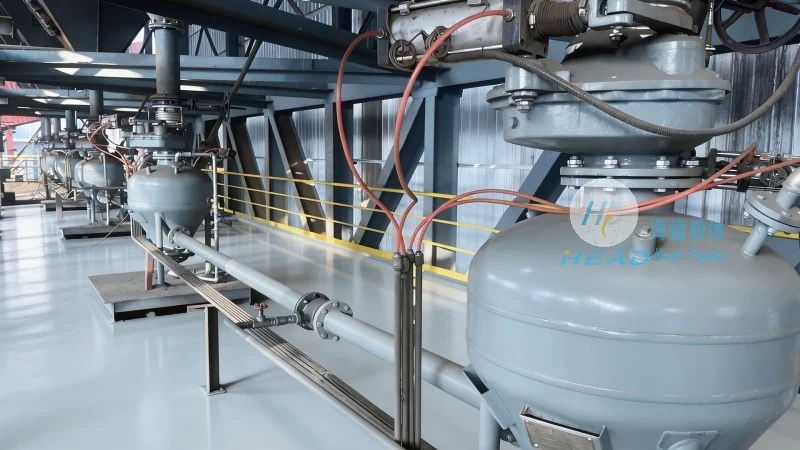
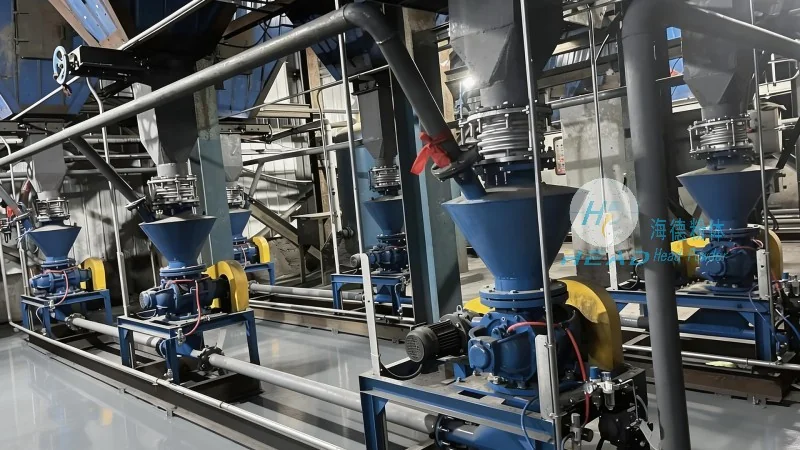
The zinc roast sand pneumatic conveying system typically consists of several critical components that work in tandem to achieve efficient material transport. These components include the hopper for material storage, the feeder to control the flow rate, the conveying line (often equipped with air pipes and possibly cyclones or filters), and the discharge equipment for material delivery. Each component plays a vital role in ensuring the system operates smoothly and maintains the integrity of the zinc roast sand during transport.
Operation Process of the System
The operation of the zinc roast sand pneumatic conveying system begins with the loading of zinc roast sand into the storage hopper. The feeder then regulates the material flow, ensuring a consistent and controlled rate of discharge into the conveying line. Compressed air is introduced into the system, creating a pressure differential that propels the zinc roast sand particles through the air pipes. The conveying line may include bends, expansions, or other features designed to handle the material's characteristics, such as particle size and density. At the receiving end, the material is discharged into a collection bin or processing equipment, with any excess air being filtered and recycled back into the system to minimize waste and energy consumption.
Working Principle of the Pneumatic Conveying System
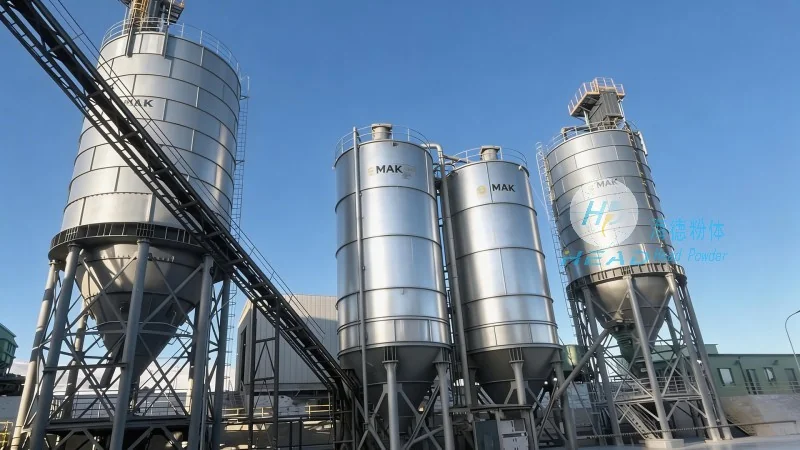
The core working principle of the pneumatic conveying system is based on the use of compressed air to create a flow of material particles. This is achieved through the creation of a pressure difference between the inlet and outlet of the conveying line. The compressed air acts as a carrier, suspending the zinc roast sand particles and transporting them through the system. The system can operate in either positive pressure or negative pressure modes, depending on the specific requirements and layout of the facility. Positive pressure systems use compressed air to push the material forward, while negative pressure systems use suction to draw the material through the line. Both modes are effective for zinc roast sand transport, with the choice depending on factors such as the distance of transport, the amount of material to be moved, and the need to minimize dust emissions.
Advantages of Using Pneumatic Conveying for Zinc Roast Sand
Employing a pneumatic conveying system for zinc roast sand offers several advantages over traditional methods like belt conveyors or bucket elevators. These advantages include reduced material handling costs due to the elimination of mechanical contact, lower maintenance requirements as there are fewer moving parts, and improved safety by minimizing the risk of dust explosions or material spillage. Additionally, pneumatic conveying systems can handle a wide range of particle sizes and moisture contents, making them suitable for the variable characteristics of zinc roast sand. The ability to transport materials in a closed system also helps in controlling dust emissions and maintaining a clean working environment.
Customization and Application Flexibility
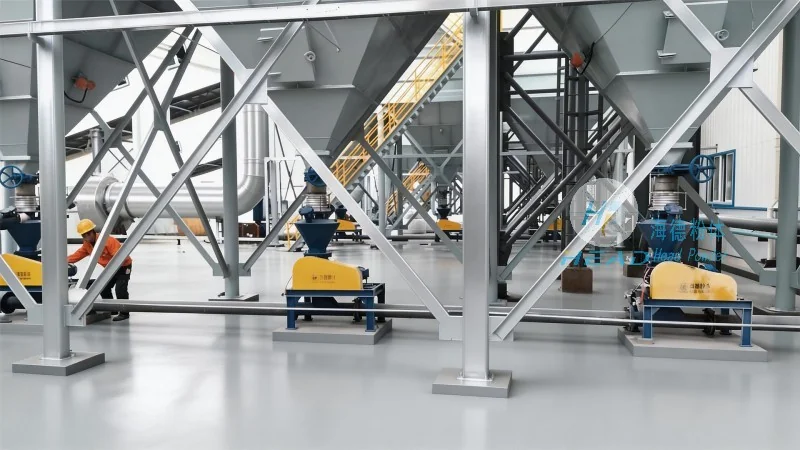
Shandong HeadPowder Engineering Co., Ltd. recognizes that each industrial facility has unique requirements for material handling. Therefore, the company offers customized pneumatic conveying systems tailored to the specific needs of clients. This includes adjustments to the system's capacity, the type of conveying line (e.g., flexible hoses, rigid pipes), and the inclusion of additional features such as cyclones for material separation or filters for air purification. The flexibility of the systems allows them to be integrated into existing production lines or used as standalone solutions, ensuring optimal performance and efficiency in various industrial applications.
Conclusion and Service Commitment
In conclusion, the zinc roast sand pneumatic conveying system is a sophisticated and efficient solution for handling zinc roast sand in industrial settings. By leveraging the principles of pneumatic transport, these systems offer reliable, low-maintenance, and cost-effective material handling capabilities. Shandong HeadPowder Engineering Co., Ltd. remains committed to providing high-quality, customized solutions that meet the evolving needs of the industry, ensuring that clients can achieve optimal performance and operational efficiency in their material transport processes.