

Operation Process and Working Principle of Cotton Pneumatic Conveying System Equipment
For agricultural and industrial applications, efficient and reliable cotton handling is crucial. The cotton pneumatic conveying system equipment, developed by Shandong HeadPowder Engineering Co., Ltd., offers a sophisticated solution to streamline the process of transporting cotton from one location to another. This equipment is designed to handle the unique characteristics of cotton, ensuring minimal damage and optimal performance in various operational settings.
Working Principle of the Cotton Pneumatic Conveying System
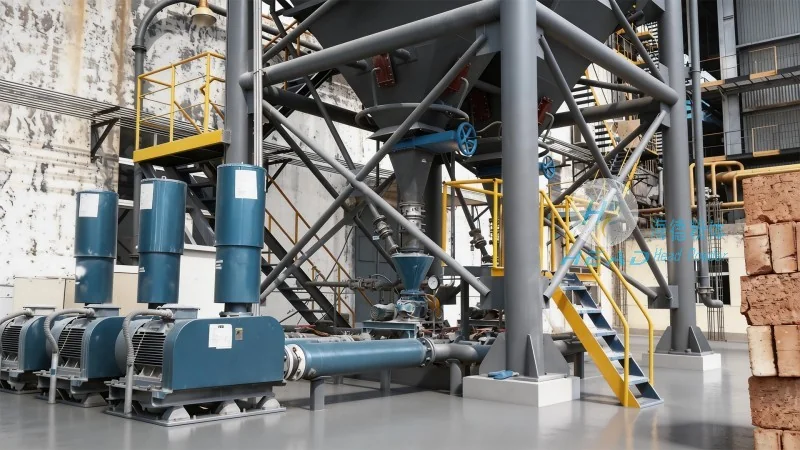
The core of the cotton pneumatic conveying system lies in its pneumatic conveying technology. The system operates by using air pressure to move cotton particles through a network of pipes. A blower or fan generates the necessary airflow, which propels the cotton material through the system. The equipment incorporates components such as feed hoppers, cyclone separators, and dust filters to ensure efficient material transport while maintaining air quality. The working principle is based on the principle of fluidization, where the cotton is suspended in the air stream, allowing it to be moved with minimal friction and energy consumption.
Operation Process of the Cotton Pneumatic Conveying System
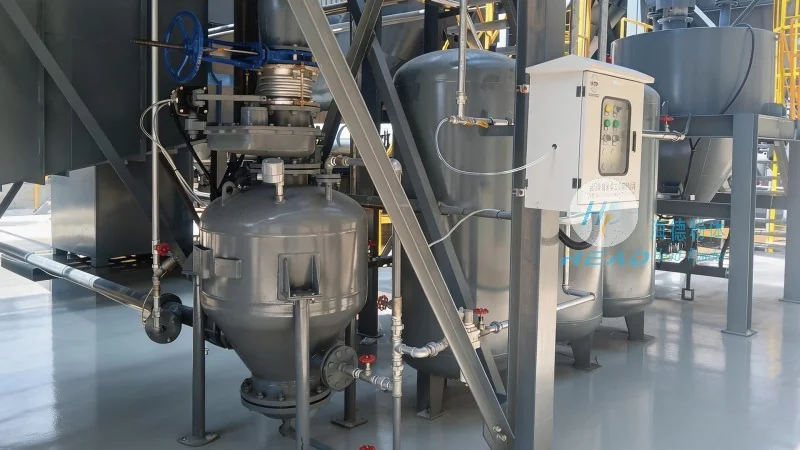
The operation process of the cotton pneumatic conveying system involves several key steps. First, cotton is loaded into the feed hopper, where it is prepared for transport. The system then uses the blower to create a high-pressure air stream, which draws the cotton into the pipeline. As the cotton travels through the system, it passes through cyclone separators that separate the cotton from the air, collecting the material in designated storage bins. The air, now free of cotton particles, is filtered through dust filters to remove any residual dust before being released back into the environment. This process ensures that the cotton is transported efficiently and safely, with minimal loss and contamination.
Key Components and Their Functions
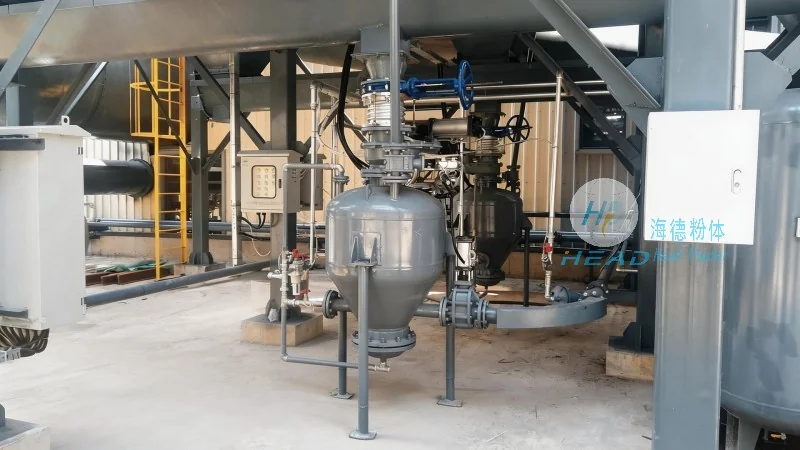
Several critical components contribute to the effective operation of the cotton pneumatic conveying system. The feed hopper is responsible for holding and feeding the cotton into the system, ensuring a consistent flow. The blower or fan provides the necessary air pressure to move the cotton through the pipes. Cyclone separators are used to separate the cotton from the air stream, collecting the material in a hopper for further processing. Dust filters are essential for maintaining air quality and complying with environmental regulations. Each component is designed to work in harmony, ensuring the overall efficiency and reliability of the system.
Benefits of Using Cotton Pneumatic Conveying System Equipment
Implementing the cotton pneumatic conveying system equipment offers numerous benefits for cotton processing facilities. The system reduces labor costs by automating the transportation process, minimizing the need for manual handling. It also minimizes material damage, as the cotton is moved gently through the air stream, preserving its quality for further processing. Additionally, the system improves safety by eliminating the need for workers to handle heavy or bulky cotton loads, reducing the risk of accidents. The efficient design of the system also leads to lower energy consumption, making it an environmentally friendly and cost-effective solution for cotton handling.
Application Scenarios and Industry Impact
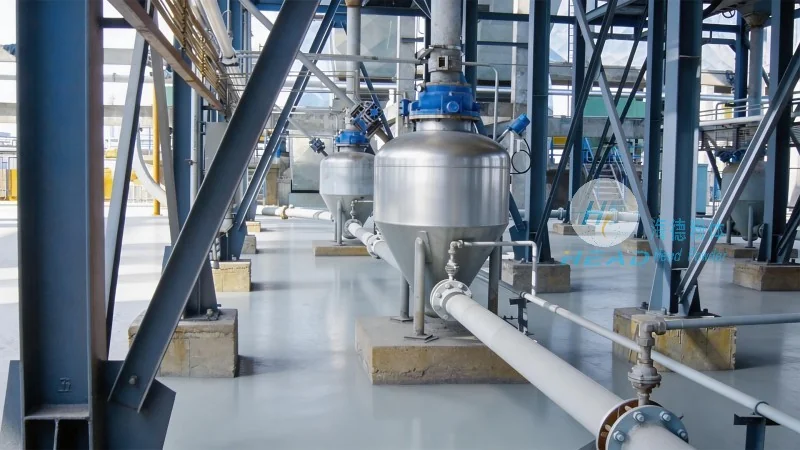
The cotton pneumatic conveying system equipment is widely used in various industries, including cotton ginning plants, textile mills, and agricultural processing facilities. In cotton ginning plants, the system is used to transport raw cotton from the field to the processing units, ensuring a smooth workflow. In textile mills, it helps in moving processed cotton between different stages of production, such as baling and spinning. The system's adaptability allows it to be integrated into existing production lines, enhancing overall operational efficiency. By improving the efficiency of cotton handling, the system contributes to increased productivity and reduced operational costs for businesses in the cotton industry.