

Operation Process and Working Principle of Rapeseed Pneumatic Conveying System Equipment
HeadPowder, a leading manufacturer based in Shandong, China, specializes in the design, development, and production of advanced pneumatic conveying systems tailored for rapeseed handling. This article provides a comprehensive overview of the operation process and working principle of such equipment, highlighting the key components, operational flow, and technical aspects that ensure efficient and reliable material transport.
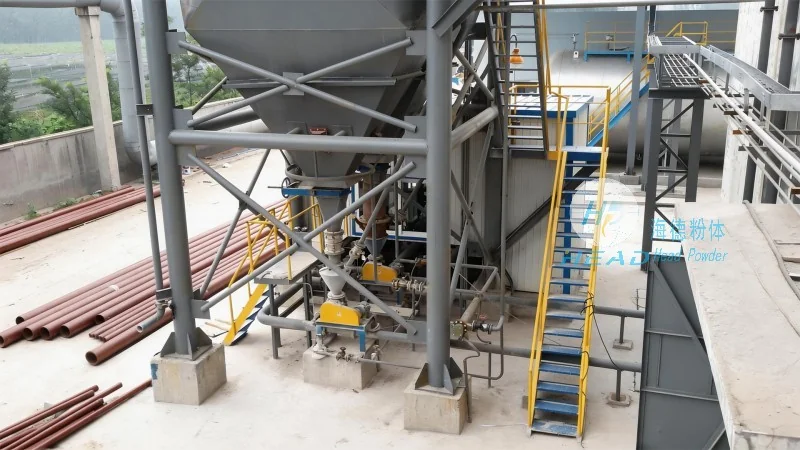
Key Components of the Pneumatic Conveying System
The rapeseed pneumatic conveying system typically consists of several critical components that work in synergy to achieve seamless material transfer. These include the hopper or storage bin for raw rapeseed, a rotary valve or feeder to control the material flow, a pneumatic conveying line (either positive or negative pressure system), a filter or separator to remove dust and debris, and a discharge unit for the processed rapeseed. Each component plays a vital role in maintaining the system's efficiency and ensuring the quality of the transported material.
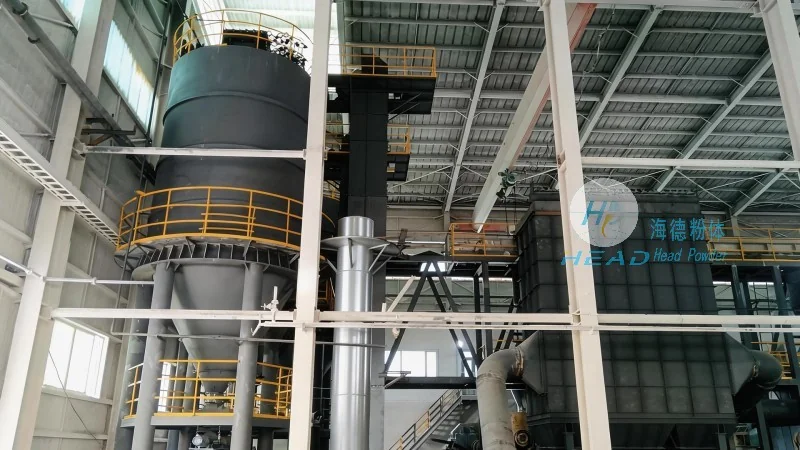
Working Principle of the Pneumatic Conveying Process
The operation of the rapeseed pneumatic conveying system is based on the principle of air movement to transport bulk materials. In a typical positive pressure system, a blower or fan generates high-pressure air that is introduced into the conveying line. The rapeseed is then fed into the line through the rotary valve, where it is mixed with the air stream. The air-rapeseed mixture travels through the pipeline to the destination point, such as a processing unit or storage silo. At the receiving end, a separator or filter separates the rapeseed from the air, allowing the material to be discharged while the air is either recirculated or vented to the atmosphere. This process ensures minimal material loss and maintains the integrity of the rapeseed during transport.
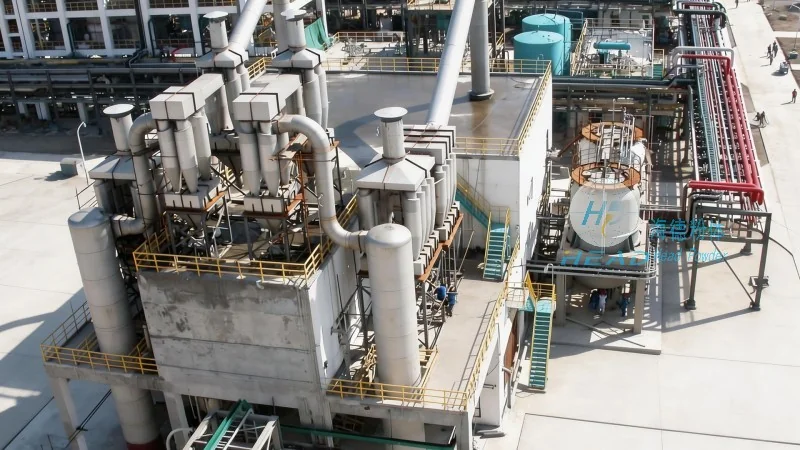
Operation Process: Step-by-Step Overview
The operational process of the rapeseed pneumatic conveying system involves several sequential steps that ensure smooth and continuous material handling. The following steps outline the typical workflow:
- Material Loading: Rapeseed is loaded into the storage hopper or bin, where it is stored until needed for processing.
- Feeding Control: A rotary valve or feeder regulates the flow of rapeseed from the hopper into the pneumatic conveying line, controlling the rate of material discharge.
- Air Compression: A blower or fan generates high-pressure air, which is directed into the conveying line to create the necessary air flow for material transport.
- Conveying: The rapeseed-air mixture travels through the pipeline under the pressure of the air stream, moving from the source to the destination.
- Separation and Discharge: At the receiving end, a separator or filter removes the rapeseed from the air, allowing the material to be discharged into the processing equipment or storage container.
- Air Recirculation: The air, now free of material, is either recirculated back into the system or vented to the atmosphere, depending on the system design.
Advantages of Pneumatic Conveying for Rapeseed Handling
Compared to traditional mechanical conveying methods, pneumatic conveying systems offer several advantages for rapeseed handling. These include:
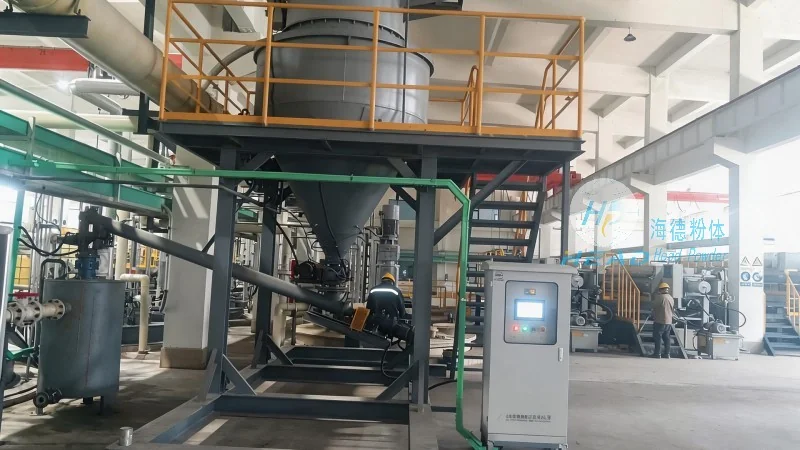
- Reduced Material Damage: The gentle air flow minimizes the risk of bruising or crushing the rapeseed, preserving its quality and market value.
- Efficient Material Transfer: The system can handle large volumes of material over long distances with minimal downtime, improving overall production efficiency.
- Space Efficiency: Pneumatic conveying systems require less floor space compared to traditional belt or bucket elevators, making them suitable for facilities with limited area.
- Hygienic and Clean Operation: The enclosed system prevents contamination from external sources and reduces dust exposure, meeting hygiene standards for food processing.
- Flexible Installation: The system can be easily installed and adapted to different layouts, allowing for flexible material handling solutions.
Conclusion and Company Overview
HeadPowder Engineering Co., Ltd., with its headquarters in Shandong, China, is a trusted provider of high-quality pneumatic conveying systems for rapeseed and other bulk materials. By leveraging advanced technology and rigorous engineering, the company ensures that its equipment operates efficiently, reliably, and safely, meeting the diverse needs of the agricultural and food processing industries. The operation process and working principle of the rapeseed pneumatic conveying system, as described above, highlight the innovative solutions offered by HeadPowder to enhance material handling capabilities and improve overall operational performance.