

Operation Process and Working Principle of Fly Ash Pneumatic Conveying System Equipment
Shandong HeadPowder Engineering Co., Ltd., commonly known as headpowder, is a professional manufacturer and supplier of fly ash pneumatic conveying systems. The company is headquartered in Shandong, China, and specializes in providing high-quality equipment for the transportation of fly ash from power plants and other industrial sources.
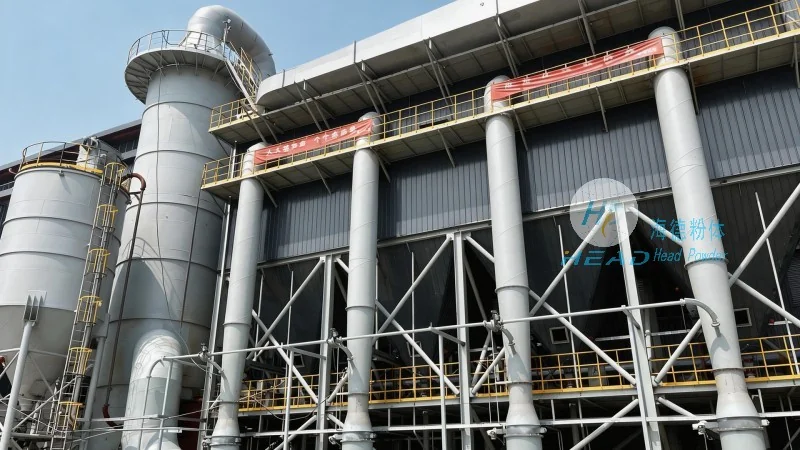
Understanding the Fly Ash Pneumatic Conveying System
A fly ash pneumatic conveying system is a method used to transport fly ash, a byproduct of coal combustion, from its source to a storage or disposal location. This system utilizes air pressure to move the fine particles through a pipeline, eliminating the need for traditional mechanical conveyors that may cause wear and tear or contamination. The system is designed to be efficient, reliable, and environmentally friendly, making it a preferred choice in the power generation and industrial sectors.
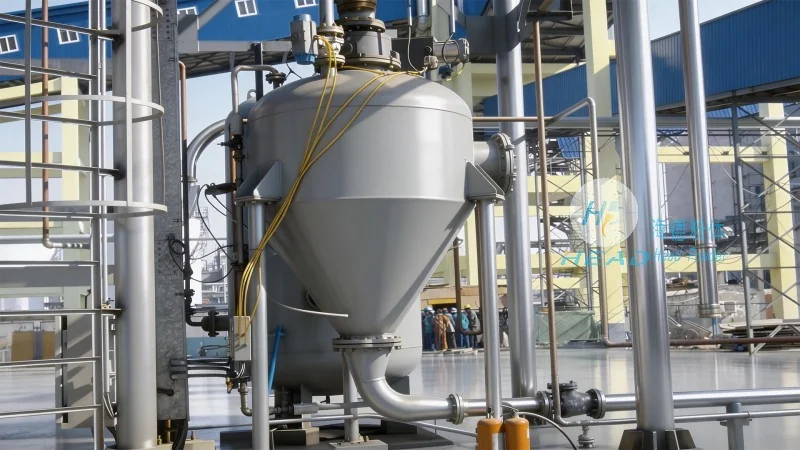
Components and Working Principle of the System
The fly ash pneumatic conveying system typically consists of several key components, including a hopper for ash collection, a blower or air compressor to generate the necessary air pressure, a pipeline network to transport the ash, and a receiver or silo for storage. The working principle involves the following steps: first, fly ash is fed into the hopper; second, the blower creates a low-pressure zone in the pipeline, drawing the ash particles into the air stream; third, the air and ash mixture travels through the pipeline to the receiver; finally, the ash is separated from the air in the receiver, and the clean air is discharged back into the system or released to the atmosphere.
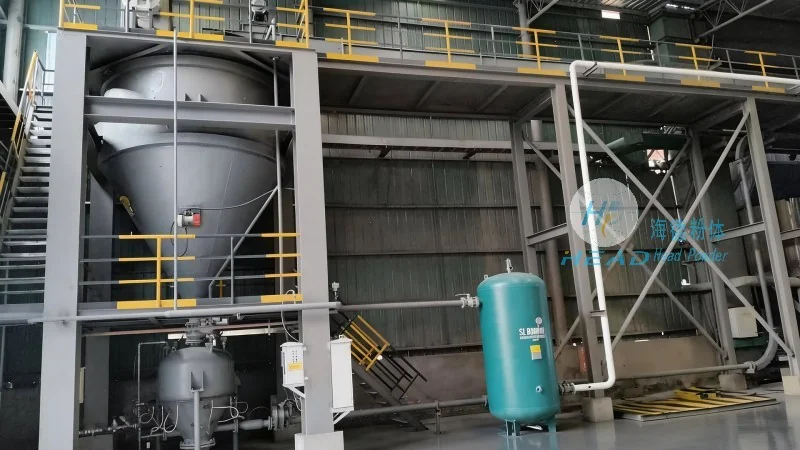
Operation Process of the Fly Ash Pneumatic Conveying System
The operation of the fly ash pneumatic conveying system follows a systematic process to ensure efficient and continuous ash transportation. The process begins with the ash collection in the hopper, where the ash is stored before being fed into the system. The control system monitors the ash level in the hopper and activates the blower when the level reaches a predetermined threshold. The blower then starts, creating the air pressure needed to move the ash. As the ash is drawn into the pipeline, it is mixed with the air, forming a dense suspension that travels at high velocity through the pipeline. The receiver at the end of the pipeline separates the ash from the air using a cyclone or other separation device. The separated ash is collected in the receiver, while the clean air is either recirculated back into the system or vented to the environment, depending on the system design. The entire process is automated, with sensors and controls ensuring that the system operates within safe and efficient parameters.
Advantages of the Fly Ash Pneumatic Conveying System
Headpowder's fly ash pneumatic conveying systems offer several advantages over traditional mechanical conveyors. These include reduced maintenance costs due to fewer moving parts, lower risk of dust contamination, and improved safety as there are no exposed moving components. The system also provides better control over the ash flow rate, allowing for precise management of the transportation process. Additionally, the system is more energy-efficient compared to other methods, as it uses air pressure to move the ash rather than mechanical force, resulting in lower operational costs.
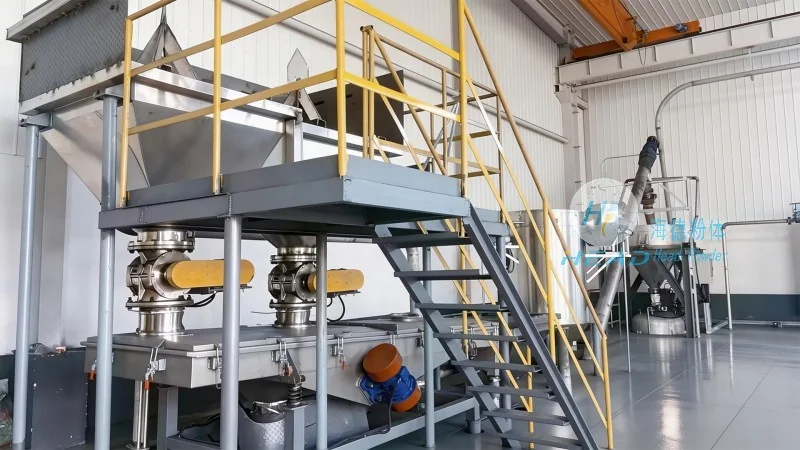
Conclusion
Shandong HeadPowder Engineering Co., Ltd. provides advanced fly ash pneumatic conveying systems that are designed to meet the demanding requirements of modern power plants and industrial facilities. The systems are engineered for reliability, efficiency, and environmental compliance, ensuring that fly ash is transported safely and effectively. With a focus on quality and customer satisfaction, headpowder continues to be a leading provider of pneumatic conveying solutions in China and around the world.