

Operation Process and Working Principle of Compound Fertilizer Pneumatic Conveying Equipment
Compound fertilizer pneumatic conveying equipment is a critical component in modern fertilizer production and handling systems. It enables the efficient and safe transportation of bulk materials like compound fertilizers from storage silos to processing units or packaging lines. The equipment is designed to handle high volumes of material while maintaining operational efficiency and minimizing downtime. This article provides a detailed overview of the operation process and working principle of such equipment, highlighting key aspects that contribute to its effectiveness in industrial applications.
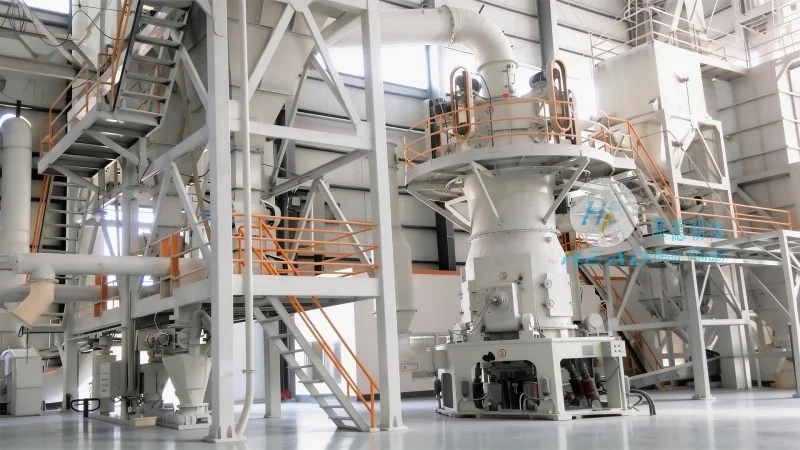
Company Profile: Shandong HeadPowder Engineering Co., Ltd.
As a leading manufacturer in the field, Shandong HeadPowder Engineering Co., Ltd. specializes in the design, development, and production of advanced pneumatic conveying systems. With a focus on innovation and quality, the company has established itself as a trusted partner for businesses in the fertilizer industry. HeadPowder's expertise lies in creating customized solutions that meet the specific requirements of clients, ensuring optimal performance and reliability. The company's facilities are located in Shandong, China, where it leverages advanced manufacturing technologies and a skilled workforce to deliver high-quality equipment. Clients can rely on HeadPowder's commitment to excellence and customer satisfaction in all its projects.
The Operation Process of Compound Fertilizer Pneumatic Conveying Equipment
The operation process of compound fertilizer pneumatic conveying equipment involves several key steps that ensure smooth and continuous material transport. The process begins with the loading of the fertilizer into the storage silo. From there, the material is drawn into the conveying system using a combination of air pressure and vacuum. The equipment typically uses a positive pressure system, where compressed air is used to push the material through the pipeline. The process can be divided into the following stages:
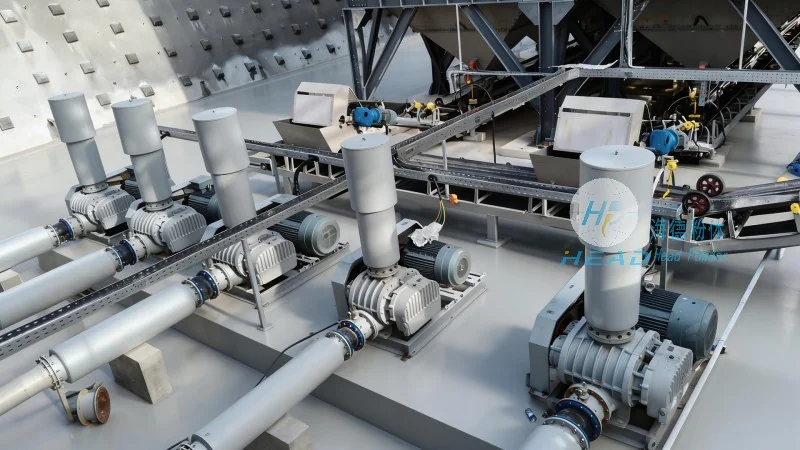
- Material Loading: The compound fertilizer is loaded into the storage silo, which is equipped with a hopper and a feeder. The feeder regulates the flow of material into the conveying line.
- Air Supply and Compression: Compressed air is supplied to the system, creating a pressure differential that propels the material forward. The air is typically filtered and dried to prevent moisture-related issues in the fertilizer.
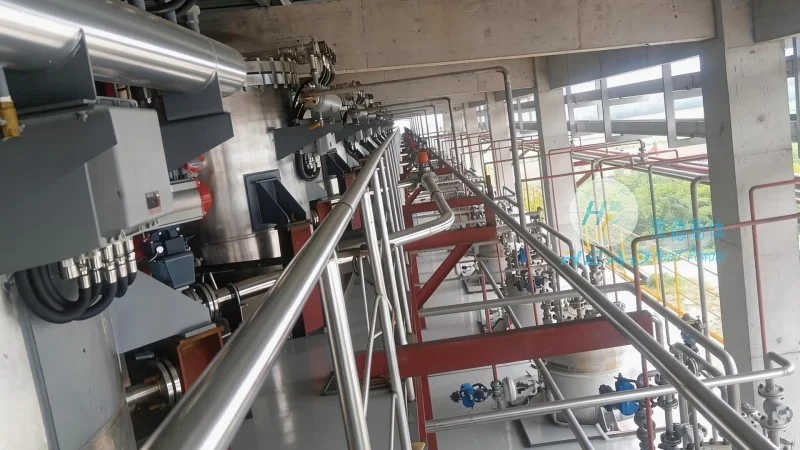
- Pipeline Transport: The material is transported through a network of pipelines, which may include bends, valves, and other components to direct the flow. The system is designed to handle the specific characteristics of compound fertilizers, such as particle size and moisture content.
- Discharge and Unloading: At the destination point, the material is discharged into a receiving hopper or processing unit. The system may include a separator or filter to remove any air or debris from the material before discharge.
Throughout the operation, the equipment is monitored for pressure, flow rate, and material level to ensure optimal performance. Any deviations are detected and corrected promptly, minimizing the risk of blockages or system failures. The process is designed to be automated, with minimal human intervention required, enhancing efficiency and safety.
Working Principle of Compound Fertilizer Pneumatic Conveying Equipment
The working principle of compound fertilizer pneumatic conveying equipment is based on the principles of fluid dynamics and air movement. The system operates by creating a pressure difference between the inlet and outlet of the conveying line. This pressure difference is generated by a blower or compressor, which supplies compressed air to the system. The air and material are mixed in a pipeline, forming a slurry-like mixture that is then transported to the destination.
There are two main types of pneumatic conveying systems used in the fertilizer industry: positive pressure and negative pressure systems. Positive pressure systems use compressed air to push the material forward, while negative pressure systems use vacuum to draw the material into the system. Both systems have their advantages and are chosen based on the specific application requirements.
In a positive pressure system, the blower is located at the inlet of the conveying line, and the air is forced into the pipeline, carrying the material with it. The system is typically used for short to medium distance transport and for materials that are less abrasive. The positive pressure system is known for its high conveying capacity and ability to handle a wide range of material types.
In a negative pressure system, the vacuum is created at the outlet of the conveying line, drawing the material into the system. This system is often used for longer distance transport and for materials that are more abrasive or have higher moisture content. The negative pressure system is more energy-efficient for long distances but may require more maintenance due to the higher air flow rates.
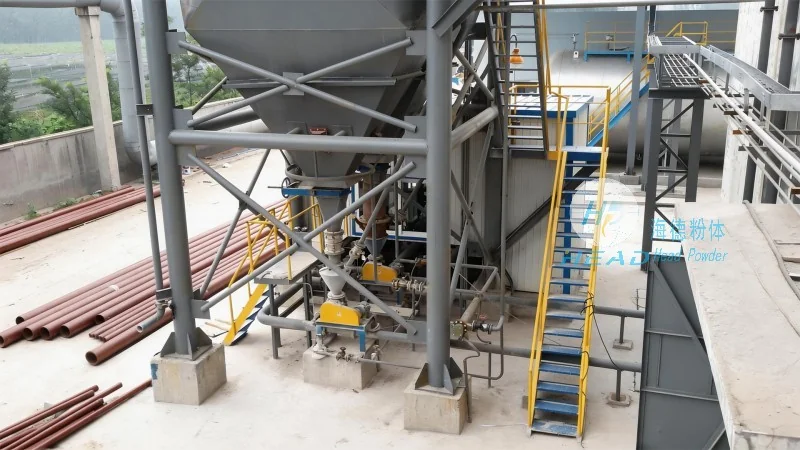
The key components of the pneumatic conveying system include the blower or compressor, the storage silo, the feeder, the conveying pipelines, and the discharge equipment. Each component plays a critical role in the overall operation and efficiency of the system. The blower provides the necessary air pressure, while the feeder controls the flow rate of the material. The pipelines ensure the smooth transport of the material, and the discharge equipment ensures the material is delivered to the correct location.
Key Features and Advantages
Compound fertilizer pneumatic conveying equipment offers several key features and advantages that make it an ideal choice for industrial applications. These include: