

[Limestone Powder Particle Pneumatic Conveying Equipment: Operation Process and Working Principle]
HeadPowder, a leading manufacturer based in Shandong, China, specializes in the design and production of advanced pneumatic conveying systems for limestone powder particles. This article provides a detailed overview of the operation process and working principle of such equipment, highlighting the key components, operational steps, and technical aspects that ensure efficient and reliable material transport.
Introduction to Limestone Powder Pneumatic Conveying Systems
As a critical component in various industrial applications, limestone powder is often required to be transported from storage silos or production lines to processing units. Traditional methods like belt conveyors or bucket elevators may face challenges such as material degradation, dust pollution, and high maintenance costs. Pneumatic conveying systems offer a solution by utilizing air flow to move powder particles through pipelines, providing a clean, efficient, and low-maintenance alternative.
Key Components of the Pneumatic Conveying Equipment
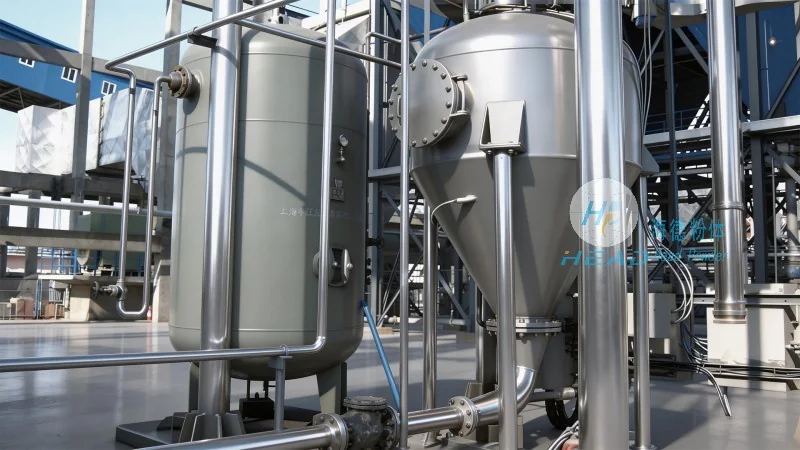
The pneumatic conveying system for limestone powder typically consists of several essential components that work in harmony to achieve the transport objective. These include the hopper or feed hopper, which stores and feeds the limestone powder into the system; the air compressor or blower, which generates the necessary air pressure to move the particles; the pipeline network, which transports the powder and air mixture; the control valves and regulators, which manage the flow and pressure; and the receiver or discharge hopper, where the material is collected after transport.
Working Principle of the Pneumatic Conveying Process
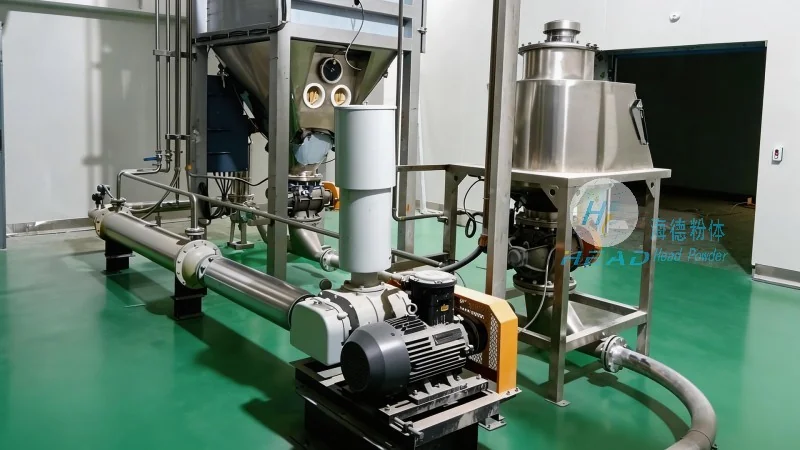
The operation of the limestone powder pneumatic conveying equipment follows a systematic process that ensures consistent and efficient material transfer. The process begins with the limestone powder being fed from the hopper into the pipeline through a feed valve. Simultaneously, the air compressor supplies compressed air into the pipeline, creating a pressure differential that propels the powder particles forward. As the air and powder mixture travels through the pipeline, the velocity and pressure are carefully controlled to maintain a stable flow without causing particle degradation or blockages. The mixture then reaches the receiver, where the air is separated from the powder, and the limestone powder is collected for further processing.
Operation Process: Step-by-Step Guide
The operation process of the pneumatic conveying system involves several key steps that ensure smooth and reliable performance. First, the hopper is filled with limestone powder, and the system is checked for proper air pressure and valve positions. Next, the feed valve is opened to allow the powder to enter the pipeline, while the air compressor is activated to generate the required air flow. The control valves are then adjusted to maintain the optimal pressure and flow rate, ensuring that the powder particles are conveyed at the desired speed without excessive pressure loss. During operation, the system is monitored for any signs of blockages or pressure fluctuations, and adjustments are made as needed to maintain stable performance. Finally, the material is discharged from the receiver into the next processing stage, completing the transport cycle.
Advantages of Pneumatic Conveying for Limestone Powder
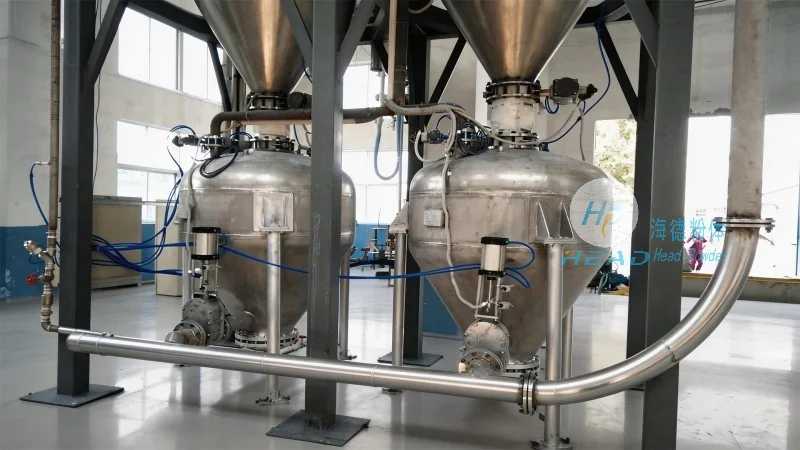
Compared to traditional transport methods, pneumatic conveying systems offer several advantages that make them ideal for limestone powder applications. These include reduced dust pollution, as the material is enclosed within the pipeline, preventing exposure to the environment. Additionally, the system provides a clean and hygienic transport process, which is particularly important for food-grade or pharmaceutical applications. The low maintenance requirements and energy efficiency of pneumatic conveying also contribute to cost savings and operational reliability. Furthermore, the system can handle a wide range of particle sizes and moisture content, making it versatile for various industrial needs.
Applications and Industries
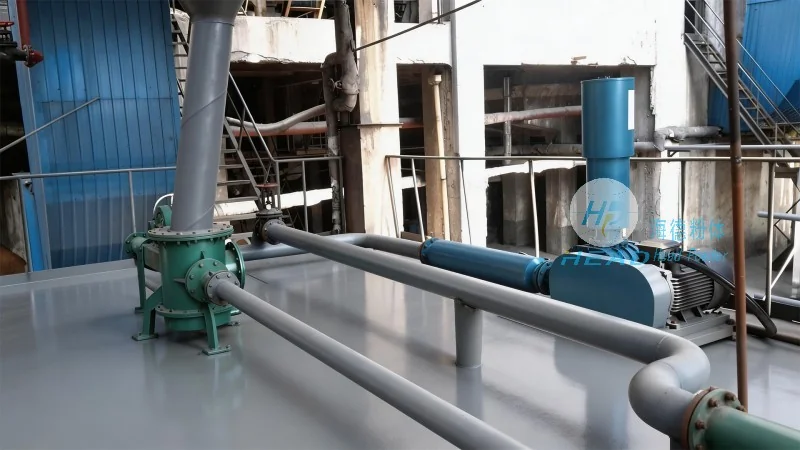
Limestone powder pneumatic conveying equipment is widely used in various industries, including cement production, chemical manufacturing, and food processing. In cement plants, the system is used to transport limestone from storage silos to the raw mill, where it is ground into fine powder for cement production. In chemical industries, the equipment is employed to move limestone for flue gas desulfurization or as a raw material in chemical reactions. In the food industry, the system is used to transport limestone powder for use as a dietary supplement or in the production of calcium-based products. The versatility and efficiency of the pneumatic conveying system make it a preferred choice for these and other applications.
Conclusion
HeadPowder's pneumatic conveying equipment for limestone powder particles is designed to provide efficient, reliable, and cost-effective material transport solutions. By understanding the operation process and working principle of such systems, users can optimize their industrial processes and improve overall productivity. With its advanced technology and professional support, HeadPowder continues to be a trusted partner in the provision of high-quality pneumatic conveying solutions for various industrial applications.