

Principle and Working Scene Characteristics of Calcium Carbide Slag Powder Pneumatic Conveying Equip
Calcium carbide slag powder, a fine particulate byproduct of calcium carbide production, plays a vital role in industries like cement manufacturing, chemical processing, and construction material production. The efficient and reliable transportation of this powder is essential for maintaining production efficiency, ensuring environmental compliance, and reducing operational costs. Pneumatic conveying systems have become the preferred technology for handling calcium carbide slag powder due to their ability to transport dry powders over long distances with minimal maintenance and operational complexity.
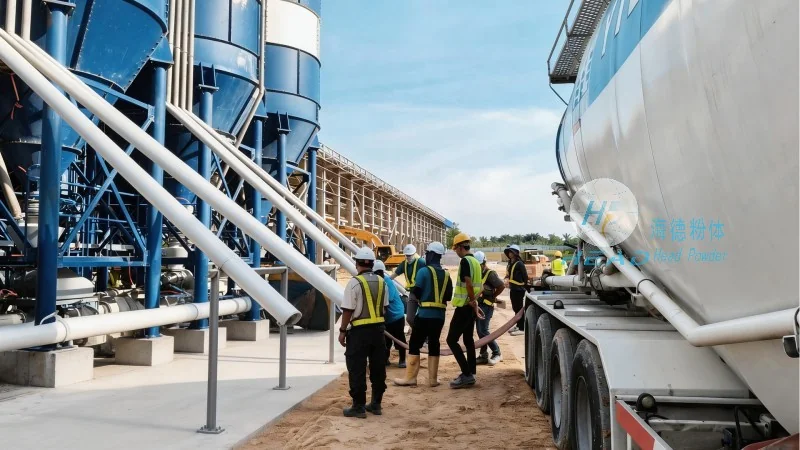
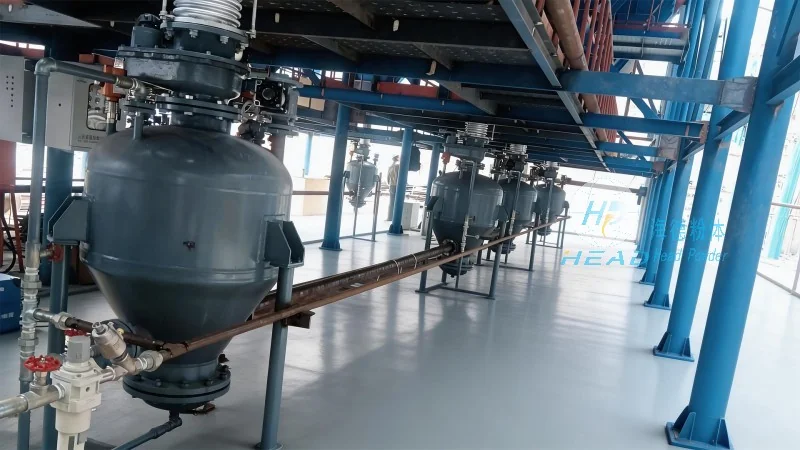
Principle of Pneumatic Conveying for Calcium Carbide Slag Powder
The fundamental principle of pneumatic conveying for calcium carbide slag powder involves using air or gas to transport the powder particles through a pipeline system. This method relies on creating a pressure differential or airflow that propels the powder along the conveying line. Two primary types of pneumatic conveying systems are used: positive pressure (or pressure) systems and negative pressure (or vacuum) systems. Positive pressure systems utilize a blower or compressor to force air into the conveying line, carrying the powder particles. Negative pressure systems employ a vacuum pump to create a suction effect, drawing the powder into the system. For calcium carbide slag powder, which is typically dry, abrasive, and fine, positive pressure systems are often preferred as they offer better control over the conveying process and can handle higher material loads. The system typically consists of a hopper for material storage, a feeder to regulate the flow rate, a conveying line, and a receiver to collect the material at the destination. The air flow rate and pressure are precisely controlled to ensure that the powder particles are transported without clogging, degradation, or loss of material quality. Advanced control systems may be integrated to monitor and adjust the pressure, flow rate, and material level in real-time, optimizing the conveying efficiency.
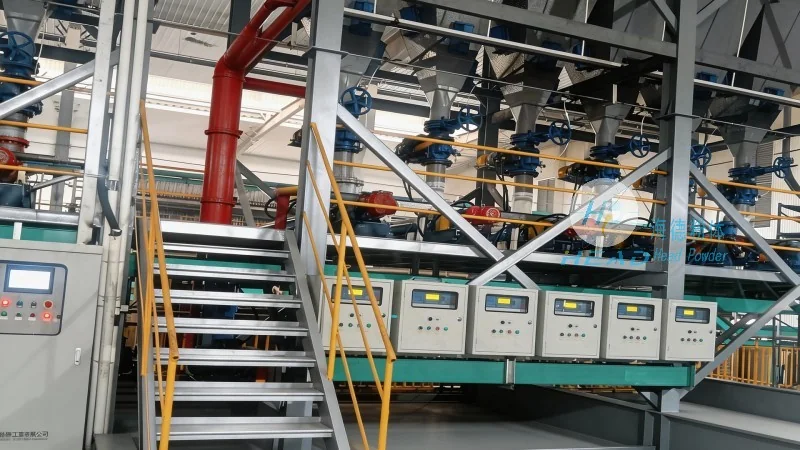
Working Scene Characteristics of Pneumatic Conveying Equipment
The working scene characteristics of pneumatic conveying equipment for calcium carbide slag powder are tailored to meet the specific demands of industrial applications. These characteristics include high material transport efficiency, low maintenance requirements, and the ability to handle abrasive and fine powders. In industrial settings such as cement plants, the equipment is often integrated into the production line to transport calcium carbide slag from storage silos to mixing stations or processing units. The conveying system is designed for continuous operation, ensuring a steady supply of material to the production process. The working environment is typically characterized by high temperatures, dust, and moisture, which necessitates the use of durable materials like stainless steel or corrosion-resistant alloys for construction. The equipment is also equipped with dust collection and filtration systems to minimize environmental impact and comply with air quality regulations. Precise control over the material flow rate is achieved through advanced control systems that monitor pressure, flow rate, and material levels in real-time, preventing overloading or underloading of the conveying line and ensuring optimal performance.
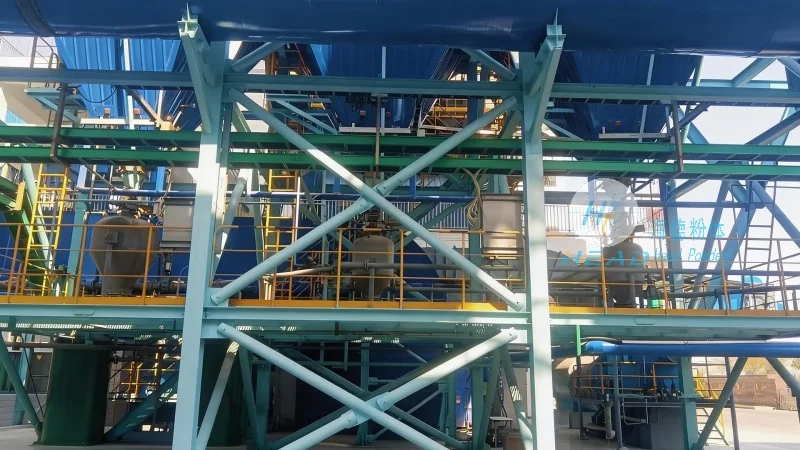
Application Scenarios and Operational Advantages
The application scenarios for pneumatic conveying equipment in calcium carbide slag powder handling span across various industries. In the cement industry, the equipment is used to transport calcium carbide slag from the slag storage area to the raw material preparation section, where it is mixed with other raw materials to produce cement clinker. The system's ability to handle large volumes of material over long distances makes it ideal for this application. In chemical processing plants, the equipment is employed to transport calcium carbide slag to reactors or processing units, where it serves as a raw material for chemical production. The operational advantages of pneumatic conveying systems include reduced labor costs, as the system can operate automatically with minimal human intervention. It also minimizes the risk of material contamination and damage, as the powder is transported in a closed system, preventing exposure to external elements. Furthermore, the system is energy-efficient compared to traditional bulk material handling methods like belt conveyors, using less energy to transport the same amount of material over the same distance. This results in lower operational costs and a smaller environmental footprint.