

Principle and Working Scene Characteristics of Wheat Bran Powder Pneumatic Conveying Equipment
Wheat bran, a byproduct of the milling process, is widely utilized in the food and animal feed industries. Efficient and reliable transportation of wheat bran powder is essential for maintaining production efficiency and product quality. Pneumatic conveying systems have become a preferred solution for handling such powders due to their ability to transport materials in a closed system, minimizing dust and contamination risks. This article explores the principle of wheat bran powder pneumatic conveying equipment and its working scene characteristics, highlighting the technology's benefits and practical applications.
Company Profile
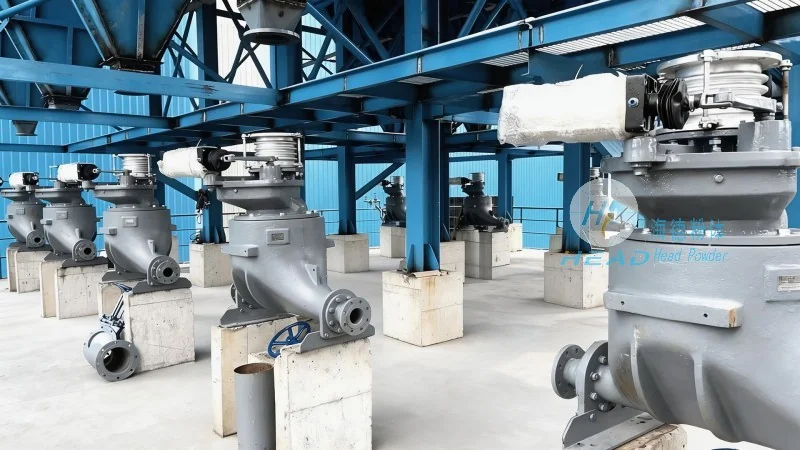
HeadPowder, a leading provider in the field of powder handling solutions, specializes in designing and manufacturing advanced pneumatic conveying equipment. With a strong presence in Shandong, China, the company has established a reputation for delivering high-quality, customized solutions tailored to the specific needs of the food and feed industries. The company's commitment to innovation and customer satisfaction has made it a trusted partner for businesses seeking efficient and reliable powder handling systems.
Principle of Pneumatic Conveying
Pneumatic conveying equipment operates on the principle of using air or gas to transport solid materials through a pipeline. In the case of wheat bran powder, the system typically involves a blower or compressor that generates a flow of air, which then carries the powder particles through the conveying line. The equipment consists of several key components, including a hopper for material storage, a feeder to control the flow rate, a conveying line, and a receiver for the discharged material. The air flow can be either positive pressure (where air is pushed through the line) or negative pressure (where air is drawn out of the line), depending on the specific application requirements.
Working Scene Characteristics
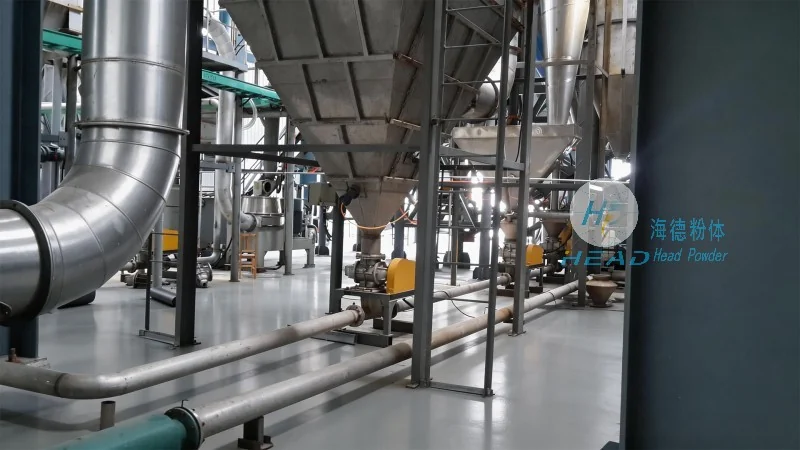
The working scene characteristics of wheat bran powder pneumatic conveying equipment are influenced by several factors, including the material properties, system design, and operational conditions. Wheat bran is a fine powder with a relatively low bulk density, which can affect the conveying efficiency and system performance. The equipment must be designed to handle such characteristics, ensuring stable and consistent flow rates. Additionally, the system must be capable of handling variations in material moisture content and particle size, as these factors can impact the conveying process. The working scene also includes considerations for dust control and environmental compliance, as pneumatic conveying systems are designed to minimize dust emissions and maintain a clean working environment.
Advantages of Pneumatic Conveying for Wheat Bran
Implementing pneumatic conveying systems for wheat bran powder offers several advantages over traditional methods such as bucket elevators or belt conveyors. One of the primary benefits is the ability to transport materials in a closed system, which significantly reduces dust generation and contamination risks. This is particularly important in food and feed applications where product purity is paramount. Additionally, pneumatic conveying systems can handle materials with high moisture content and varying particle sizes, making them suitable for diverse production environments. The technology also provides flexibility in system layout, allowing for horizontal, vertical, or mixed conveying configurations to meet specific space and operational constraints.
Application Examples
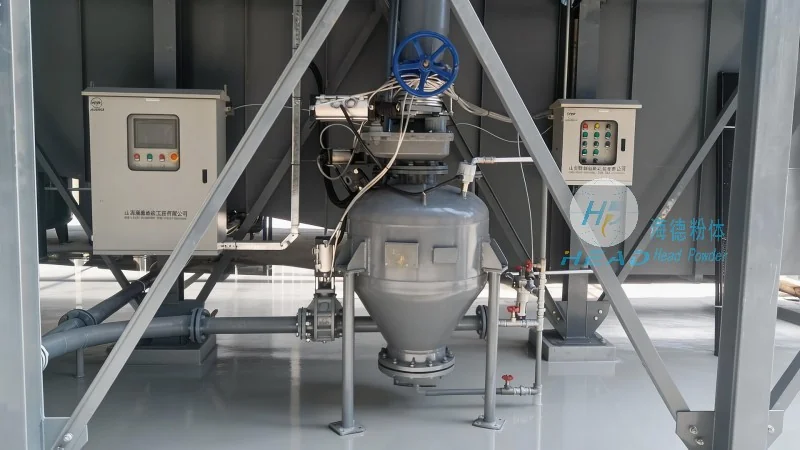
The working scene characteristics of wheat bran powder pneumatic conveying equipment are evident in various industrial applications. For instance, in a flour mill, the system can be used to transport wheat bran from the grinding area to storage silos or processing units. In an animal feed plant, the equipment can convey wheat bran from raw material storage to mixing and packaging lines. The system's ability to handle large volumes of material efficiently and with minimal downtime makes it an ideal choice for continuous production operations. Furthermore, the closed system design ensures that the material remains protected from external contaminants, maintaining the quality and safety of the final product.
Conclusion
In conclusion, wheat bran powder pneumatic conveying equipment is a highly effective solution for transporting fine powders in the food and animal feed industries. The technology operates on a well-defined principle, utilizing air flow to move materials through a closed system, and offers several advantages including dust control, flexibility, and efficiency. The working scene characteristics, influenced by material properties and system design, highlight the importance of proper equipment selection and operation to achieve optimal performance. As a leading provider in the field, HeadPowder continues to innovate and provide customized solutions that meet the evolving needs of the industry, ensuring reliable and efficient powder handling for businesses worldwide.