

Principle and Working Scene Characteristics of Tank Truck Material Conveying System Equipment
HeadPowder, a leading provider in the field, specializes in the design and manufacturing of advanced tank truck material conveying systems. These systems are engineered to efficiently handle various bulk materials, ensuring smooth and reliable transportation from the tank truck to the processing or storage facilities. The following sections will delve into the fundamental principles behind these systems and explore the key working scene characteristics that make them indispensable in modern industrial operations.
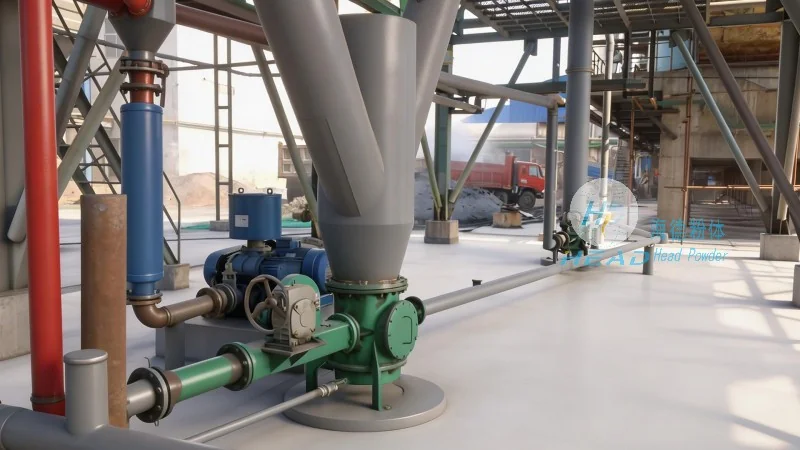
Core Principles of Tank Truck Material Conveying Systems
The tank truck material conveying system operates on a combination of mechanical and hydraulic principles, tailored to meet the specific demands of different material types and operational environments. At its core, the system comprises several critical components, including a pump unit, a conveying pipeline, a control panel, and a discharge valve. The pump unit is responsible for generating the necessary pressure to move the material through the pipeline, while the conveying pipeline, often made from durable materials such as stainless steel or high-density polyethylene, ensures minimal material degradation and contamination. The control panel allows operators to adjust parameters like flow rate and pressure, providing precise control over the conveying process. The discharge valve, typically equipped with a sealing mechanism, enables controlled release of the material at the destination, preventing spills and maintaining safety standards.
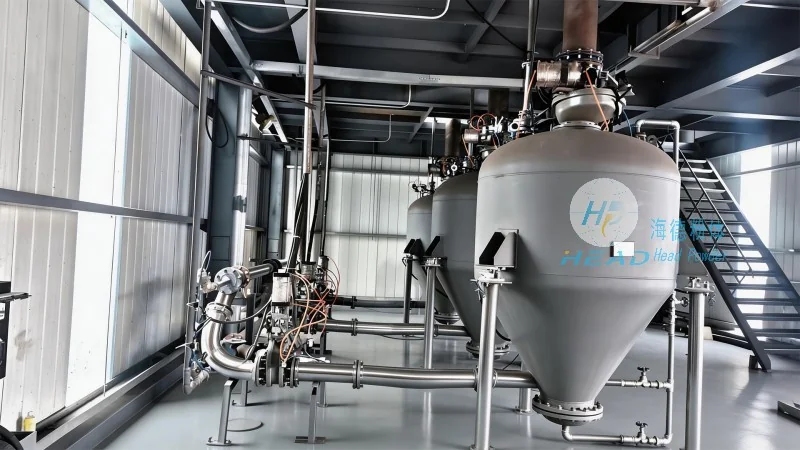
Working Scene Characteristics and Applications
The working scene characteristics of tank truck material conveying systems are shaped by the diverse industrial environments in which they are deployed. These systems are commonly used in sectors such as chemical processing, food and beverage, mining, and construction, where the transportation of bulk materials like powders, granules, and liquids is essential. In chemical plants, for instance, the system must handle potentially hazardous materials while maintaining strict safety protocols. The design incorporates features like explosion-proof components and leak detection systems to mitigate risks. In the food industry, the system is often constructed from food-grade materials and is subject to stringent hygiene standards, ensuring that the conveyed materials remain uncontaminated and safe for consumption. Mining operations utilize these systems to transport raw ores and minerals from the mine site to processing facilities, where the robust construction and high flow capacity are crucial for maintaining production efficiency. Construction sites may employ tank truck material conveying systems to deliver cement, sand, and other building materials to the job site, where the ability to handle abrasive materials and resist wear is essential.
Key Advantages and Operational Benefits
Implementing a tank truck material conveying system offers several advantages that enhance operational efficiency and reduce costs. One of the primary benefits is the significant reduction in manual labor, as the system automates the material transfer process, minimizing the need for workers to handle heavy or hazardous materials. This not only improves safety but also increases productivity, as the system can operate continuously without the need for frequent breaks. Additionally, the system minimizes material loss and contamination, as the enclosed pipeline design prevents dust or moisture from entering the material stream. This is particularly important for materials that are sensitive to environmental factors, such as pharmaceuticals or high-value chemicals. The precise control over flow rate and pressure allows for consistent material delivery, ensuring that downstream processes receive the exact quantity needed, reducing waste and optimizing production. Furthermore, the system’s modular design enables easy integration with existing infrastructure, making it a flexible solution for various industrial settings.
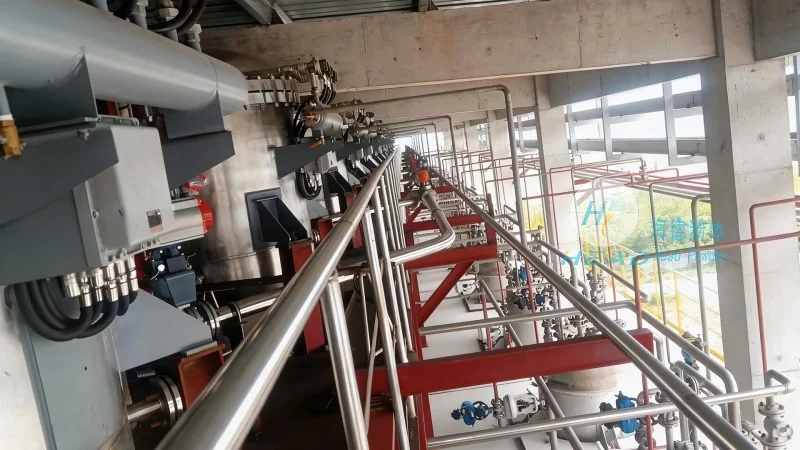
Technical Specifications and Customization Options
HeadPowder offers a range of technical specifications and customization options to meet the unique requirements of each client. The systems are available in different sizes and capacities, with flow rates ranging from 10 to 500 cubic meters per hour, depending on the application. The conveying pipeline can be customized in terms of diameter and length, accommodating various tank truck sizes and distances between the truck and the processing facility. The pump unit can be equipped with different motor types, such as electric or diesel, to suit the power supply and operational needs. For applications requiring high pressure, the system can be fitted with a high-pressure pump, ensuring efficient material transfer even in challenging conditions. The control panel can be equipped with advanced features like remote monitoring and automated shutdown, enhancing safety and operational control. Additionally, the system can be integrated with other equipment, such as silos or storage tanks, to create a comprehensive material handling solution. HeadPowder’s team of engineers works closely with clients to understand their specific needs and develop a tailored solution that maximizes efficiency and performance.