

Sesame Material Conveying: Principles and Operational Characteristics
HeadPowder, a leading manufacturer in the field of material handling systems, specializes in providing efficient and reliable solutions for conveying sesame and other similar granular materials. This article delves into the fundamental principles of sesame material conveying and highlights the key operational characteristics of such systems, offering insights into their practical applications in industrial settings.
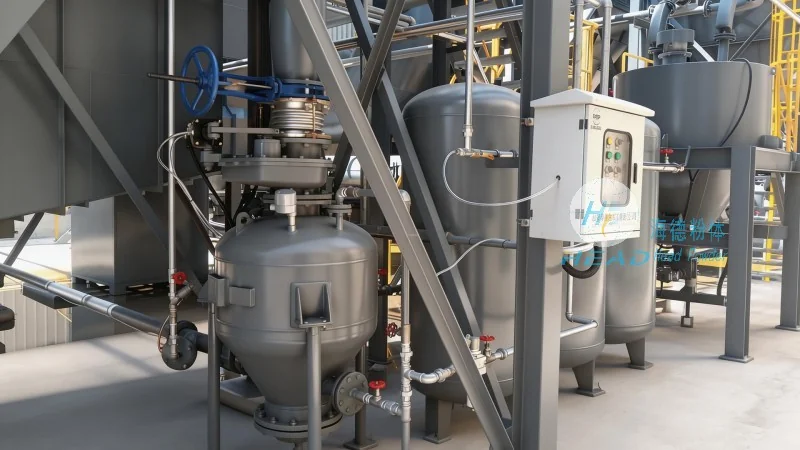
Understanding the Core Principles of Sesame Material Conveying
The process of sesame material conveying involves the movement of small, lightweight particles from one location to another within a processing facility. The primary goal is to ensure smooth, continuous, and safe transport while maintaining the integrity of the material. Several key principles underpin the design and operation of effective sesame conveyors:
Firstly, the selection of appropriate conveyor type is critical. For sesame, which is typically small and can be prone to bridging or clogging, screw conveyors and belt conveyors are commonly used. Screw conveyors, also known as auger conveyors, utilize a rotating helical screw to push material forward. This design is particularly effective for handling dry, free-flowing materials like sesame, as it minimizes the risk of blockages and ensures consistent flow. Belt conveyors, on the other hand, use a continuous belt to transport material, making them suitable for longer distances and higher throughput. The choice between these two depends on factors such as the material's characteristics, the required conveying distance, and the desired level of control over the material's movement.
Secondly, the importance of proper material feeding cannot be overstated. Inadequate or uneven feeding can lead to surges, which may cause the conveyor to overload or even stop. To prevent this, feed hoppers and feeders are often employed. These devices ensure a steady and controlled flow of material into the conveyor system. For sesame, which can be dusty or have a tendency to stick together, a well-designed feeder, such as a rotary valve or a vibratory feeder, is essential. These components help maintain a consistent feed rate, reducing the likelihood of clogs and ensuring the conveyor operates efficiently.
Thirdly, the role of speed and torque in conveying efficiency is vital. The speed of the conveyor belt or screw determines how quickly material is moved, while the torque provided by the motor influences the ability to handle heavier loads or more viscous materials. For sesame, which is relatively light but may contain some larger particles, a moderate speed is often sufficient. However, the torque must be sufficient to prevent the material from slipping on the conveyor surface or the screw from stalling. Proper motor sizing and drive systems are therefore crucial to maintaining optimal performance.
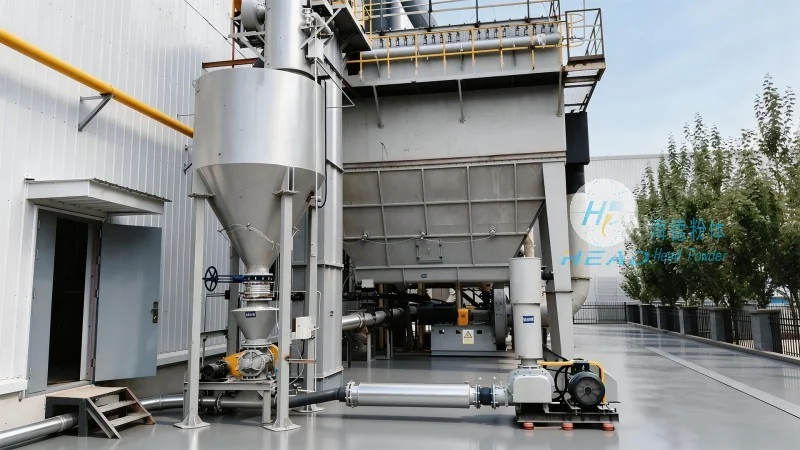
Key Working Scene Characteristics of Sesame Conveying Systems
The operational characteristics of sesame material conveying systems are shaped by the specific demands of the industrial environment in which they are used. These characteristics include factors such as the scale of operation, the type of processing equipment, and the overall production flow. Understanding these aspects is essential for selecting the right conveyor system and ensuring its effective integration into the production line.
One of the primary characteristics is the need for high cleanliness and hygiene, especially in food processing facilities where sesame is often used as an ingredient. Conveyor systems must be designed to prevent contamination and ensure easy cleaning. This often involves the use of stainless steel components, smooth surfaces, and minimal crevices where dust or material can accumulate. The design of the conveyor must also facilitate regular maintenance and cleaning, which is critical for maintaining compliance with food safety regulations.
Another important characteristic is the requirement for low maintenance and high reliability. In industrial settings, downtime can be costly, so conveyor systems need to be durable and require minimal upkeep. The use of robust materials, such as high-quality steel for the conveyor frame and wear-resistant components for the screw or belt, helps extend the lifespan of the equipment. Additionally, the integration of monitoring systems, such as load cells or temperature sensors, can provide early warnings of potential issues, allowing for proactive maintenance and reducing the risk of unexpected breakdowns.
The scale of the operation also plays a significant role in determining the characteristics of the conveying system. For small-scale operations, such as a local sesame processing plant, a compact and cost-effective conveyor system may be sufficient. These systems are typically designed for lower throughput and may use smaller motors and simpler components. In contrast, large-scale industrial facilities, such as a major food processing plant, require larger, more powerful conveyors capable of handling high volumes of material. These systems may incorporate multiple conveyor sections, such as a combination of screw and belt conveyors, to achieve the required throughput and ensure smooth material flow throughout the entire production process.
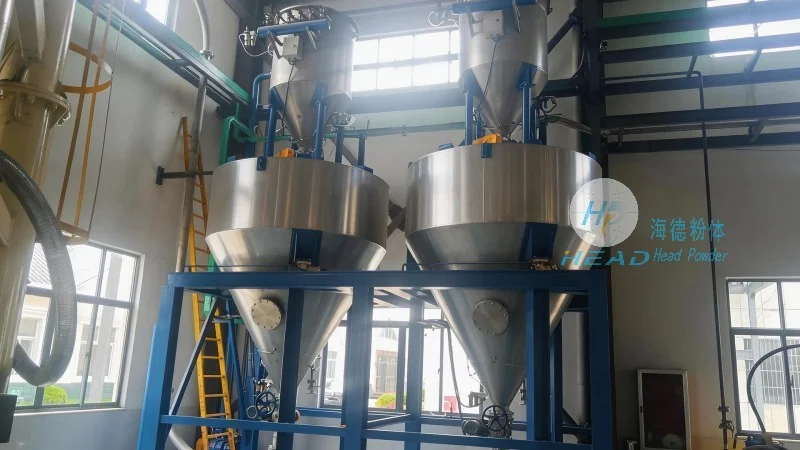
Applications and Integration in Industrial Processes
Sesame material conveying systems are integral to various stages of industrial processing, from raw material handling to packaging. Their characteristics and principles are tailored to meet the specific needs of each stage, ensuring efficient and seamless operation. For example, in the initial stages of processing, the conveyor may be used to transport raw sesame from storage bins to cleaning equipment. Here, the system must be capable of handling a mix of whole and broken seeds, ensuring that no material is lost or damaged during transport.
During the cleaning and sorting phase, the conveyor may be integrated with other equipment, such as sieves or air classifiers, to separate impurities from the sesame. The design of the conveyor must allow for easy integration with these components, ensuring that material can be transferred smoothly between them. This often involves the use of adjustable feed rates and the ability to control the speed of the conveyor to match the processing capacity of the downstream equipment.
In the final stages of processing, the conveyor may be used to transport the cleaned and sorted sesame to packaging machines. Here, the system must be able to handle the material at a consistent rate, ensuring that the packaging line operates continuously without interruptions. The conveyor may also be equipped with sensors to detect the presence of material, preventing the packaging machine from operating without sufficient input and avoiding waste.
Conclusion
HeadPowder Engineering Co., Ltd., based in Shandong, China, is a trusted provider of sesame material conveying solutions that adhere to the principles and characteristics outlined above. By focusing on the specific needs of sesame processing, the company offers customized conveyor systems that enhance efficiency, reduce downtime, and ensure compliance with industry standards. Whether for small-scale or large-scale operations, HeadPowder's expertise in material handling ensures that sesame material is conveyed safely and effectively, supporting the smooth operation of industrial processes.