

Principles and Operational Characteristics of Red Mud Material Handling
Red mud, a byproduct of the bauxite refining process, presents unique challenges in material handling due to its high moisture content, abrasive properties, and variable particle size. Effective red mud handling systems are essential for industrial operations to ensure efficient processing, minimize environmental impact, and maintain operational safety. This article delves into the fundamental principles behind red mud material handling and highlights key operational characteristics that define successful applications.
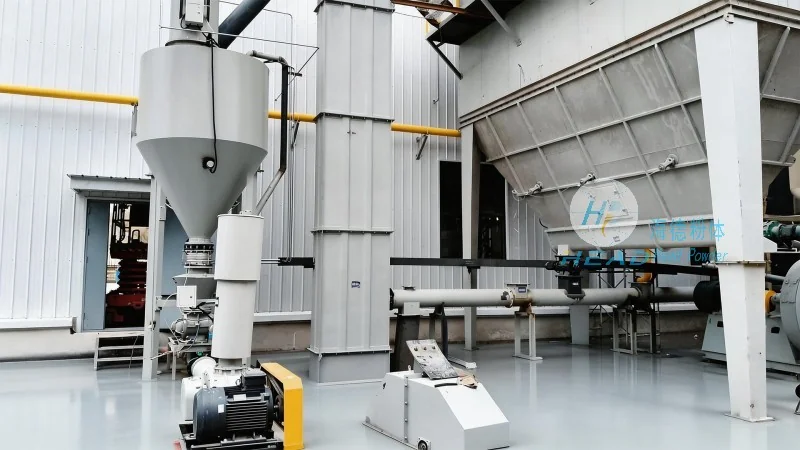
Company Overview: HeadPowder Engineering
HeadPowder Engineering, a leading provider of specialized material handling solutions, specializes in designing and implementing systems tailored to the unique demands of red mud processing. With a strong focus on engineering excellence and customer-centric solutions, the company has established itself as a trusted partner for industries dealing with bauxite refining and related processes. HeadPowder's expertise lies in understanding the complex physical and chemical properties of red mud and translating them into reliable, efficient handling systems. The company is headquartered in Shandong, China, leveraging local industrial resources and expertise to deliver high-quality solutions.
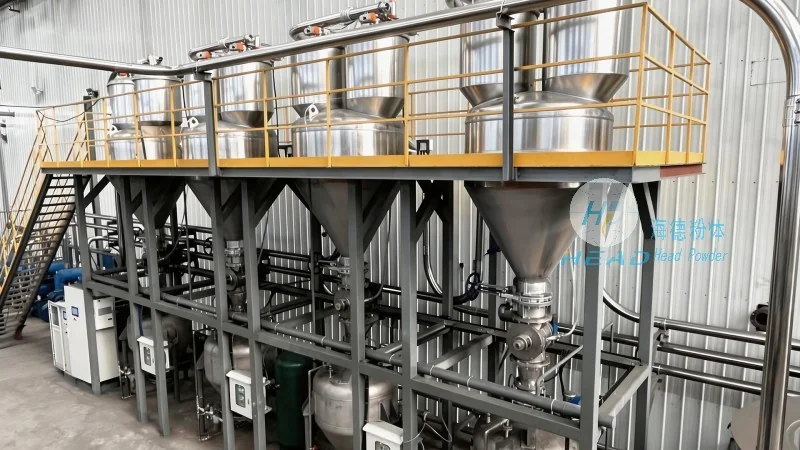
Principles of Red Mud Material Handling
The core principles of red mud material handling revolve around addressing the material's inherent characteristics. Red mud is typically a highly abrasive, fine-grained material with a high moisture content, which can lead to equipment wear, blockages, and operational inefficiencies if not managed properly. Key principles include:
- Moisture Control: Managing moisture levels is critical to prevent clumping and ensure consistent flow. Proper moisture control helps maintain the material's fluidity and reduces the risk of blockages in conveyor systems, thereby enhancing overall system efficiency.
- Abrasion Resistance: Equipment used for red mud handling must be constructed from durable materials, such as high-grade steel or specialized alloys, to withstand the abrasive nature of the material and extend service life. This includes components like conveyor belts, liners, and wear plates.
- Particle Size Management: The varying particle sizes in red mud require equipment with appropriate screening or separation mechanisms to prevent oversized particles from damaging machinery and ensure smooth processing. This may involve the use of classifiers or screens to adjust particle size distribution.
Operational Characteristics in Red Mud Handling
Successful red mud handling operations are defined by several operational characteristics that optimize efficiency and safety. These characteristics include:
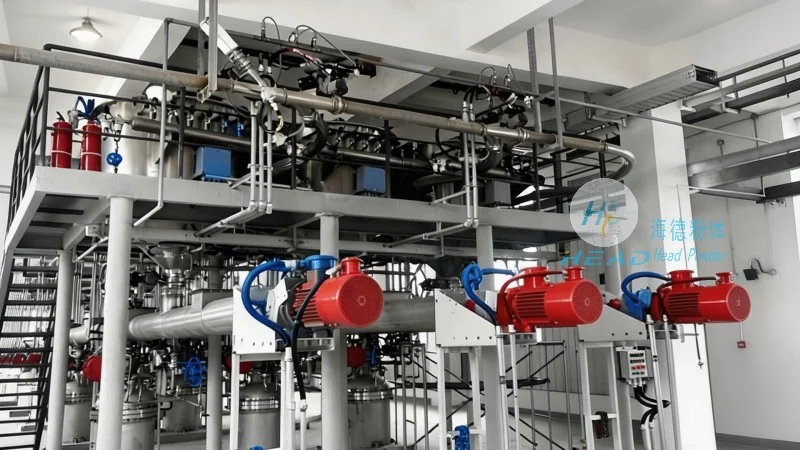
- Continuous Flow Systems: Red mud handling often involves continuous flow processes to maintain steady production rates. Conveyor systems, such as belt conveyors or screw conveyors, are commonly used to transport red mud from processing units to storage or disposal sites. Continuous flow ensures minimal downtime and consistent material throughput.
- Controlled Environment Handling: Due to the dust and moisture content of red mud, handling operations are typically conducted in controlled environments, such as enclosed conveyor systems or covered storage facilities. This approach minimizes environmental impact, reduces dust emissions, and ensures worker safety by preventing exposure to hazardous particles.
- Integration with Processing Units: Red mud handling systems are often integrated with the bauxite refining process, ensuring seamless material transfer between stages. This integration helps maintain process efficiency, reduces material loss, and optimizes overall plant performance.
Key Applications and Work Scenarios
Red mud material handling solutions are applied in various industrial scenarios, each with specific requirements. Some common applications include: