

Principle and Working Scene Characteristics of Dry Desulfurizer Powder Conveying Equipment
HeadPowder, a leading manufacturer based in Shandong, China, specializes in the design and production of advanced dry desulfurizer powder conveying equipment. This equipment is crucial for the efficient handling and transportation of desulfurizer powders in industrial applications, ensuring optimal performance and reliability in power plant and industrial processes.
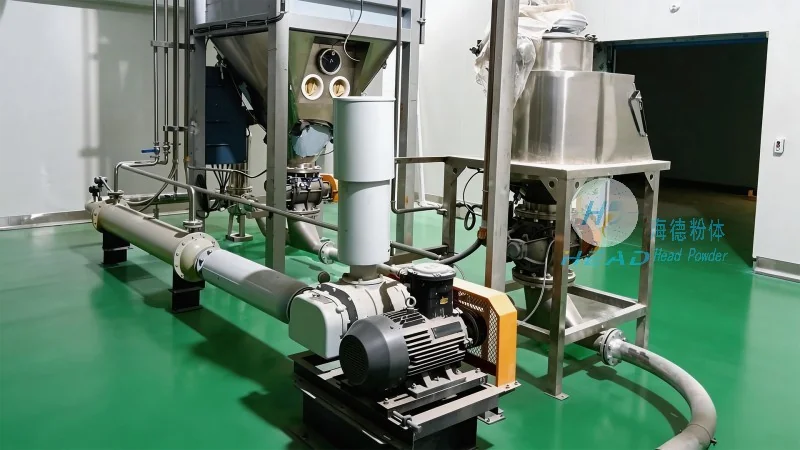
Overview of Dry Desulfurizer Powder Conveying Equipment
Dry desulfurizer powder conveying equipment is engineered to handle bulk powders used in flue gas desulfurization processes. The primary function is to transport these powders from storage silos or bulk containers to the injection points in power plants or industrial facilities. The equipment operates under dry conditions, avoiding moisture-related issues that can affect the quality and handling of the desulfurizer material. This dry conveying method ensures consistent flow rates, minimal dust generation, and efficient material transfer, which are critical for maintaining the effectiveness of the desulfurization system.
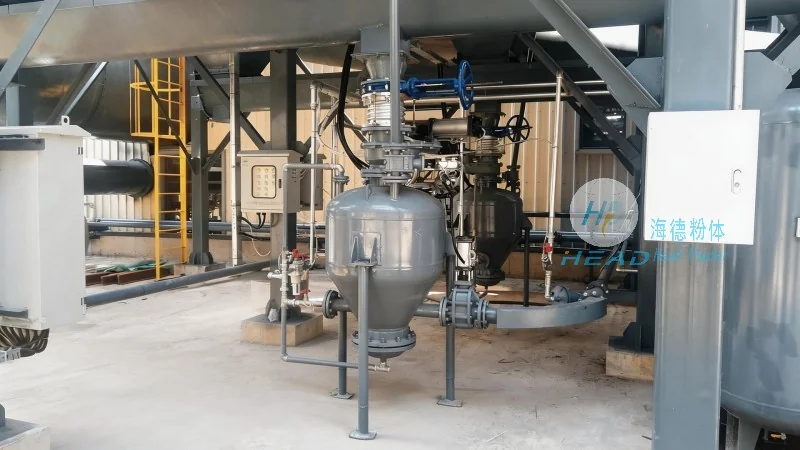
Working Principle of the Conveying System
The core of the dry desulfurizer powder conveying equipment is a closed-loop system that utilizes positive pressure or negative pressure to move the powder. The system typically includes a feeding hopper, a conveyor (such as a screw conveyor or pneumatic conveyor), and a control system. The feeding hopper holds the desulfurizer powder, and the conveyor transports it to the discharge point. The control system monitors and adjusts the flow rate, pressure, and other parameters to ensure smooth operation and prevent blockages or overloading. The equipment is designed with high-quality materials that are resistant to corrosion and wear, ensuring long-term durability and minimal maintenance requirements.
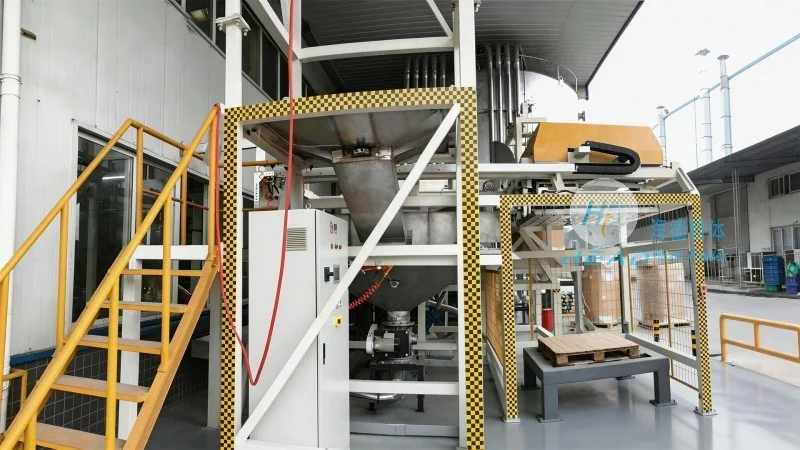
Key Components and Their Functions
Several key components work together to ensure the efficient operation of the dry desulfurizer powder conveying equipment. The feeding hopper is equipped with a level indicator and a discharge valve to control the flow of powder into the conveyor. The conveyor itself, whether a screw or pneumatic type, is designed to handle the specific characteristics of the desulfurizer powder, such as its particle size, density, and flowability. The control system includes sensors and actuators that monitor pressure, flow rate, and temperature, providing real-time data to operators and enabling automated adjustments. Additionally, the system may include dust collection and filtration components to maintain air quality and comply with environmental regulations.
Working Scene Characteristics
The working scene characteristics of dry desulfurizer powder conveying equipment vary based on the application and the scale of the industrial facility. In power plants, these systems are typically installed in the boiler house or near the flue gas treatment area, where the desulfurizer is injected into the flue gas stream to remove sulfur dioxide. The equipment operates continuously, often 24/7, to ensure a steady supply of desulfurizer to the system. The working environment may involve high temperatures and corrosive gases, requiring the equipment to be constructed from materials that can withstand these conditions. In industrial facilities, such as chemical plants or steel mills, the equipment may be used to transport desulfurizer to other processing units, with the working scene including multiple stages of material handling and processing.
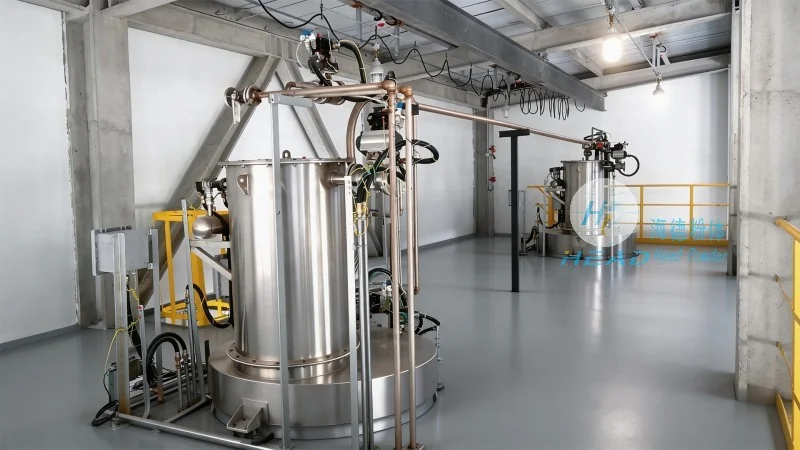
Advantages and Applications
Dry desulfurizer powder conveying equipment offers several advantages over traditional wet or manual handling methods. The dry conveying process reduces the risk of moisture contamination, which can affect the reactivity and effectiveness of the desulfurizer. It also minimizes dust emissions, improving workplace safety and environmental compliance. The equipment is highly efficient, with consistent flow rates and low energy consumption, making it cost-effective for large-scale industrial applications. The applications of this equipment are widespread, including power generation, chemical manufacturing, and industrial processing where flue gas desulfurization is required to meet environmental standards. The equipment is designed to handle various types of desulfurizer powders, including limestone, gypsum, and other alkaline materials, making it versatile for different industrial needs.