

Principle and Working Scene Characteristics of Corn Cobs Pneumatic Conveying System Equipment
HeadPowder, a leading engineering company based in Shandong, China, specializes in the design and manufacturing of advanced pneumatic conveying systems tailored for handling bulk materials like corn cobs. This article delves into the fundamental principles of such systems and highlights the key characteristics of their operational environments.
Company Overview and Background
Shandong HeadPowder Engineering Co., Ltd. is a professional enterprise dedicated to providing high-quality pneumatic conveying solutions. With a strong presence in the agricultural and food processing sectors, the company leverages decades of industry experience to develop systems that meet the specific demands of handling corn cobs and similar bulk materials efficiently and reliably. HeadPowder's headquarters is located in Shandong, China, where the company's research and development teams continuously innovate to enhance the performance and durability of its conveying equipment.
The Core Principle of Pneumatic Conveying for Corn Cobs
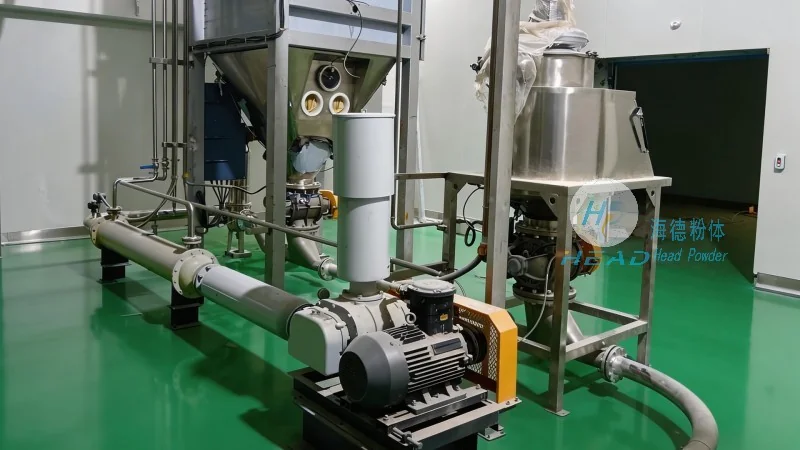
The pneumatic conveying system for corn cobs operates on the principle of transporting bulk materials through a pipeline using air or gas as the conveying medium. This method, commonly known as air conveying, involves creating a pressure differential within the system to move the material from the source to the destination. For corn cobs, which are typically dry and have a relatively low bulk density, a positive pressure system is often preferred. In this setup, air is blown into the pipeline at a controlled pressure, pushing the corn cobs along the path. The system consists of several key components, including a hopper for material storage, a rotary valve for controlled discharge, a conveying line, and a receiver for material collection. The air flow is managed by a blower or fan, which provides the necessary pressure and volume to ensure smooth and continuous transport. The design of the system takes into account the physical properties of corn cobs, such as their size, shape, and abrasiveness, to optimize the conveying process and minimize wear on the equipment.
Key Working Scene Characteristics
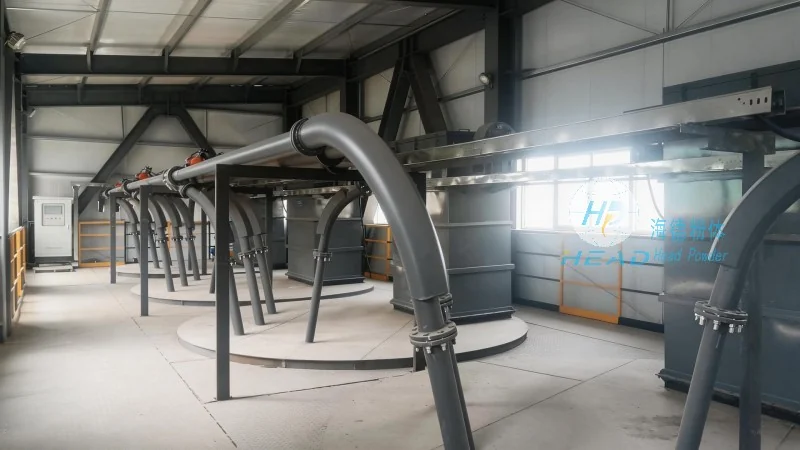
The operational environment of corn cobs pneumatic conveying systems is characterized by several factors that influence system performance and efficiency. First, the material's bulk density and flowability are critical. Corn cobs have a relatively low bulk density compared to other grains, which means higher air volumes are required to achieve the desired conveying rate. The system must be designed to handle these low-density materials without excessive energy consumption or pressure drop. Second, the system's flexibility in handling varying material loads is essential. In industrial settings, the amount of corn cobs being processed can fluctuate, and the conveying system must be able to adapt to these changes without compromising performance. This is achieved through adjustable air flow controls and variable speed drives on the blower. Third, the system's ability to maintain material integrity is a key consideration. Corn cobs are often used in feed and food applications, where contamination or damage to the material can affect product quality. The pneumatic conveying system is designed to minimize particle breakage and prevent the introduction of foreign materials, ensuring that the final product meets strict quality standards. Fourth, the system's ability to integrate with other processing equipment is important. In many industrial settings, the corn cobs are part of a larger production line, and the conveying system must be compatible with existing machinery. This includes considerations such as the material's temperature, moisture content, and the need for dust control measures. Finally, the system's reliability and maintenance requirements are significant factors in its operational environment. The components of the system, particularly the conveying line and the blower, are subject to wear and tear due to the abrasive nature of corn cobs. Regular maintenance, such as cleaning the pipeline and replacing worn parts, is necessary to ensure the system operates efficiently and has a long service life.
Technical Specifications and Performance Metrics
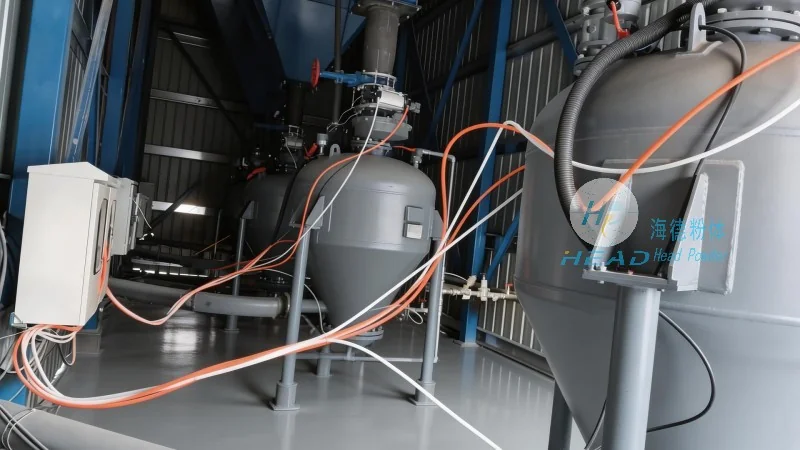
HeadPowder's corn cobs pneumatic conveying systems are engineered to meet specific technical specifications that ensure optimal performance in various working environments. The conveying capacity of the system is a critical parameter, typically ranging from several tons per hour to over 100 tons per hour, depending on the system's design and the material's characteristics. The system's pressure drop across the pipeline is another important metric, as it indicates the energy required to move the material. A well-designed system minimizes pressure drop, thereby reducing energy consumption and operating costs. The air velocity within the pipeline is also a key factor, as it affects the conveying efficiency and the risk of material degradation. The system is designed to operate at air velocities that are high enough to prevent material settling but low enough to avoid excessive wear on the pipeline and components. Additionally, the system's ability to handle different particle sizes and shapes is important, as corn cobs can vary in size and shape. The components, such as the hopper and rotary valve, are designed to accommodate these variations and ensure consistent material flow. The system's control system, which includes sensors and automation, allows for real-time monitoring and adjustment of the conveying parameters, enhancing operational efficiency and reducing downtime.
Advantages and Applications
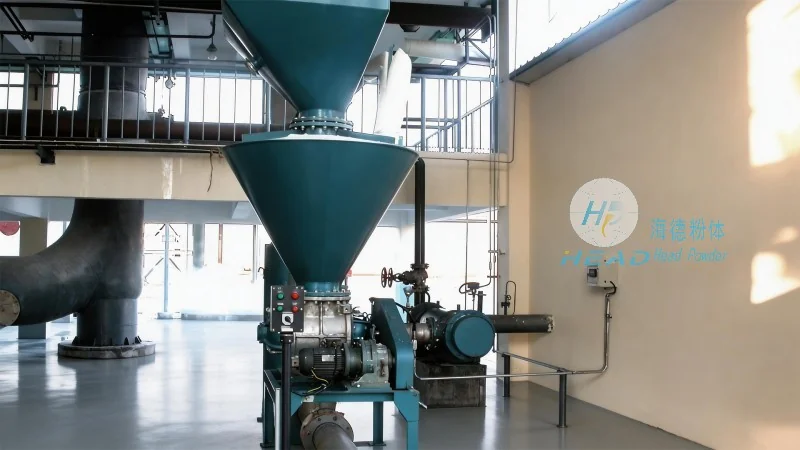
The use of pneumatic conveying systems for corn cobs offers several advantages over traditional methods, such as belt conveyors or bucket elevators. One of the primary advantages is the ability to transport materials in a closed system, which helps to control dust and prevent contamination. This is particularly important for corn cobs, which are often used in food and feed applications where hygiene is critical. The closed system also reduces the risk of material spillage and environmental contamination. Another advantage is the system's flexibility in handling varying material loads and flow rates. This makes it suitable for applications where the production volume fluctuates, such as in seasonal agricultural operations. The system's ability to transport materials over long distances without the need for multiple transfer points is also a significant benefit. This reduces the overall footprint of the processing facility and simplifies the layout of the production line. The applications of corn cobs pneumatic conveying systems are diverse and include feed manufacturing, where the corn cobs are used as a raw material for animal feed, and food processing, where they are used in the production of corn products. The system can also be used in biomass energy applications, where the corn cobs are transported to a boiler or gasifier for energy generation. In all these applications, the system's efficiency, reliability, and ability to maintain material quality are essential factors that contribute to the overall success of the operation.
Conclusion
HeadPowder's corn cobs pneumatic conveying systems are advanced engineering solutions that effectively address the challenges of transporting bulk materials like corn cobs. By leveraging the principles of pneumatic conveying and incorporating innovative design features, the systems provide efficient, reliable, and cost-effective material handling solutions. The operational environment of these systems is characterized by factors such as material properties, system flexibility, and maintenance requirements, all of which are carefully considered in the system's design. With its headquarters in Shandong, China, HeadPowder continues to lead the industry in the development of high-quality pneumatic conveying equipment tailored to the specific needs of the agricultural and food processing sectors. The company's commitment to innovation and customer satisfaction ensures that its systems remain at the forefront of material handling technology, meeting the evolving demands of the industry.