

Principles and Application Characteristics of Plaster Powder Pneumatic Conveying Systems
Plaster powder, a vital material in construction and finishing processes, demands efficient and reliable handling solutions to maintain operational efficiency. The pneumatic conveying system, specifically engineered for plaster powder, integrates technology with practicality to address these needs. This article explores the fundamental principles of such systems and highlights the key application scenarios where they demonstrate superior performance.
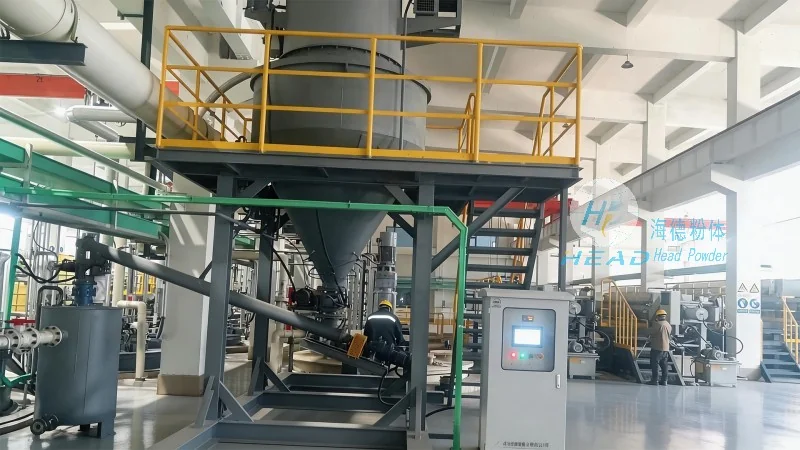
Company Overview: Shandong HeadPowder Engineering Co., Ltd.
HeadPowder, a leading manufacturer in material handling solutions, specializes in the design, development, and production of pneumatic conveying equipment. With a strong emphasis on quality and innovation, the company has positioned itself as a trusted partner for businesses seeking efficient solutions for handling fine powders like plaster. HeadPowder's expertise lies in creating customized systems that meet the unique demands of various industries, ensuring optimal performance and durability.
The Core Principles of Plaster Powder Pneumatic Conveying
Pneumatic conveying systems operate on the principle of utilizing air or gas to transport bulk materials through a pipeline network. For plaster powder, the system employs a combination of positive and negative pressure to move the material from the source to the destination. The process typically involves a hopper for storage and feeding, a conveyor line for transport, and a receiver for deposition. The system's efficiency hinges on factors such as the conveying method (dilute phase or dense phase), the particle size and density of the plaster powder, and the required distance and height of the transport.
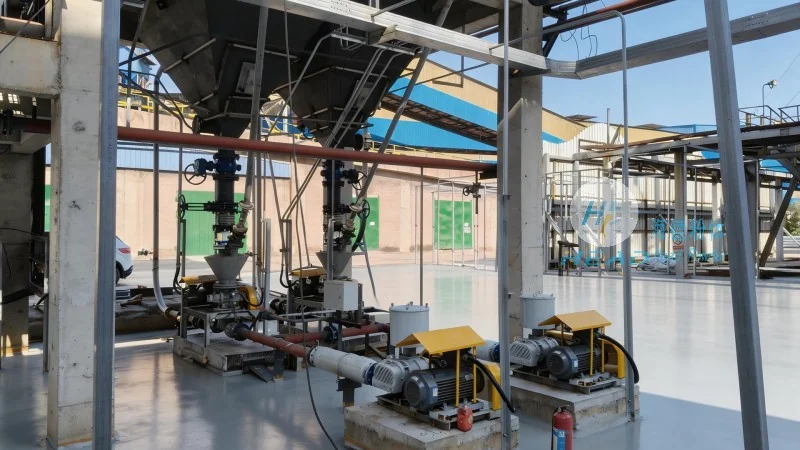
Key Components and Their Functions
At the heart of a plaster powder pneumatic conveying system are several critical components that collaborate to ensure seamless operation. The hopper, often equipped with a feeding mechanism, serves as the storage and feeding unit, providing consistent material supply. The conveyor line, which includes pipelines, bends, and valves, is responsible for transporting the powder under pressure. The air compressor or blower generates the necessary air flow, while the control system manages pressure and flow rates to maintain optimal performance. The receiver or discharge unit collects the plaster powder at the end of the conveying line, ensuring safe and efficient unloading.
Application Scenarios and Operational Benefits
The versatility of plaster powder pneumatic conveying systems makes them suitable for diverse applications across industries. In construction sites, these systems are commonly used to transport plaster powder from storage areas to mixing stations or finishing areas, reducing manual labor and enhancing safety. In manufacturing facilities, they facilitate the transfer of plaster powder between production lines, ensuring a continuous and controlled supply of raw materials. The systems also find applications in industrial settings where fine powders require precise handling, such as in the production of building materials or decorative coatings.
Advantages of Pneumatic Conveying for Plaster Powder
Compared to traditional methods like bucket elevators or belt conveyors, pneumatic conveying systems offer several advantages when handling plaster powder. Firstly, they provide a dust-free and enclosed environment, minimizing inhalation risks and contamination. This is particularly important for plaster powder, which can be harmful if inhaled in large quantities. Secondly, the systems are highly flexible, allowing for route changes without major modifications. This adaptability is crucial in dynamic work environments where space and layout may evolve. Thirdly, pneumatic conveying systems are energy-efficient, consuming less power than other bulk material handling methods. Reduced energy consumption not only lowers operational costs but also supports environmental sustainability.
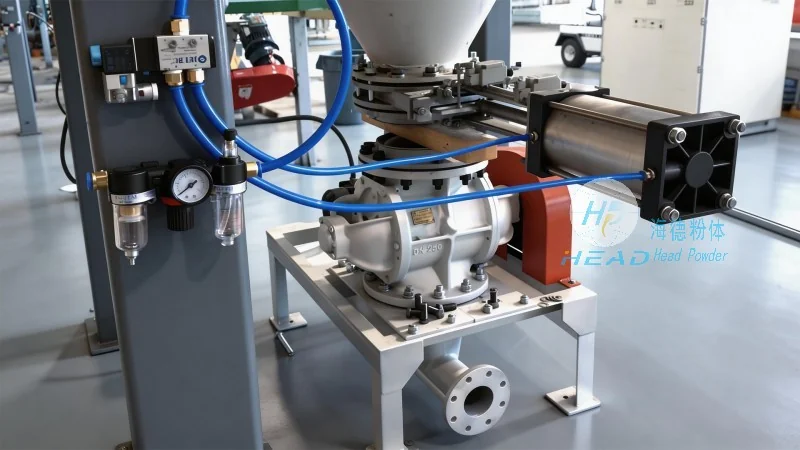
Customization and Scalability
HeadPowder recognizes that each client's needs are unique, and thus offers customized pneumatic conveying solutions tailored to specific requirements. Whether for a small-scale system at a construction site or a large-scale system in an industrial facility, the company provides scalable solutions that adapt as the business grows. Customization includes selecting the appropriate conveying method (dilute phase for long distances or dense phase for short distances), choosing the right air compressor or blower, and integrating additional features like dust collection or material drying systems. This flexibility ensures the system meets current needs while accommodating future expansion.
Conclusion
Plaster powder pneumatic conveying systems represent a sophisticated and efficient solution for handling fine powders in various applications. By leveraging pneumatic transport principles, these systems deliver benefits such as dust-free operation, flexibility, and energy efficiency. HeadPowder, with its expertise and commitment to quality, continues to provide reliable and customized solutions that enhance productivity and safety in the handling of plaster powder. As the demand for efficient material handling systems grows, the importance of such technology in the construction and manufacturing industries becomes increasingly evident.