

Principle and Working Scene Characteristics of Sodium Fluorosilicate Pneumatic Conveying System
Efficient material handling is a critical aspect of modern industrial operations, and the sodium fluorosilicate pneumatic conveying system represents a sophisticated solution tailored to meet the demands of transporting this specific chemical compound. As a key component in various industrial processes, sodium fluorosilicate requires reliable and safe transportation methods to ensure consistent quality and operational efficiency. This article explores the fundamental principles behind such systems and highlights the distinct characteristics of their working environments, providing insights into how these technologies optimize material movement in industrial settings.
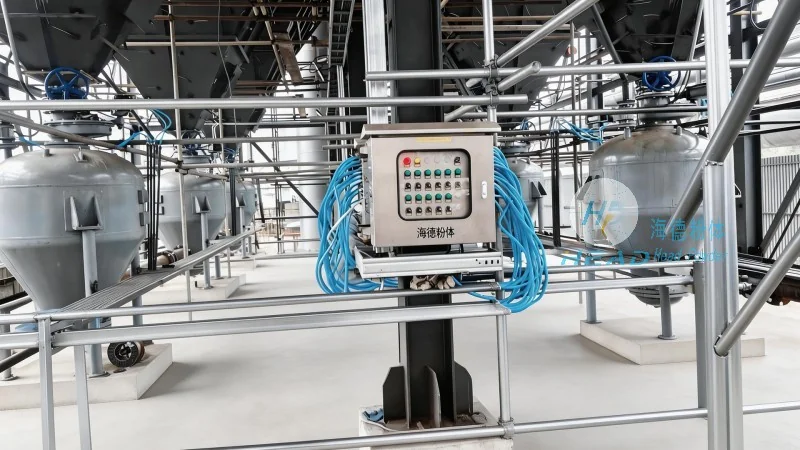
Introduction to Sodium Fluorosilicate and Pneumatic Conveying
Sodium fluorosilicate, a white crystalline powder widely used in the production of glass, ceramics, and water treatment chemicals, presents unique challenges when it comes to material handling. Traditional methods like bucket elevators or belt conveyors may struggle with dust generation, material degradation, or the need for extensive maintenance. Pneumatic conveying systems, which utilize air or gas to transport solid materials through pipelines, offer a more flexible and efficient alternative. By understanding the core principles of these systems, industries can better select and implement solutions that align with their operational requirements.
HeadPowder: A Leader in Powder Engineering Solutions
At the forefront of powder handling technology is Shandong HeadPowder Engineering Co., Ltd., a company dedicated to providing innovative solutions for material transport and processing. With a strong presence in China, particularly in Shandong province, HeadPowder leverages decades of expertise to design, manufacture, and install pneumatic conveying systems tailored to the specific needs of clients. The company’s commitment to quality, safety, and efficiency has established it as a trusted partner for industries relying on sodium fluorosilicate and other fine powders. By integrating advanced engineering principles with practical application experience, HeadPowder ensures that its systems not only meet but often exceed industry standards.
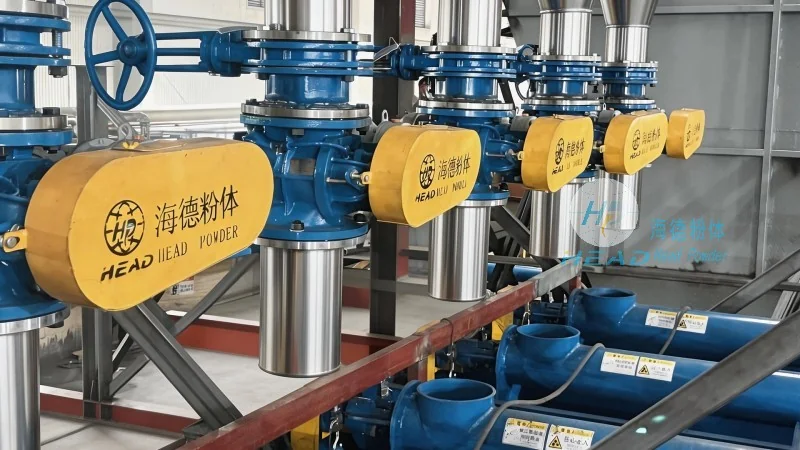
The Fundamental Principle of Pneumatic Conveying
The core mechanism of a pneumatic conveying system involves the use of compressed air to create a flow that propels solid particles through a pipeline. In the case of sodium fluorosilicate, the system typically operates under positive pressure, where air is forced through the material, lifting and transporting it to the desired destination. This process can be categorized into two main types: dilute-phase and dense-phase conveying. Dilute-phase systems use higher air velocities to move material in a relatively dispersed state, while dense-phase systems employ lower velocities to maintain a more compact flow, reducing the risk of material degradation and pipeline blockages. The choice between these modes depends on factors such as material characteristics, pipeline length, and the need for precise control over material delivery.
Working Scene Characteristics of Sodium Fluorosilicate Pneumatic Conveying
The working environment of a sodium fluorosilicate pneumatic conveying system is characterized by several key factors that influence its design and performance. First, the material’s hygroscopic nature requires careful control of humidity and temperature to prevent clumping or caking during transport. This often necessitates the integration of drying or conditioning equipment within the system to maintain material quality. Second, the system must be designed to minimize dust exposure, as sodium fluorosilicate is a fine powder that can pose health and safety risks if not properly contained. Enclosed pipelines, dust collection systems, and proper ventilation are critical components to ensure a safe working environment. Third, the system’s scalability is essential, as industrial applications may require handling varying volumes of material. Modular designs and adjustable flow rates allow for flexibility, enabling the system to adapt to changing production demands without significant modifications.
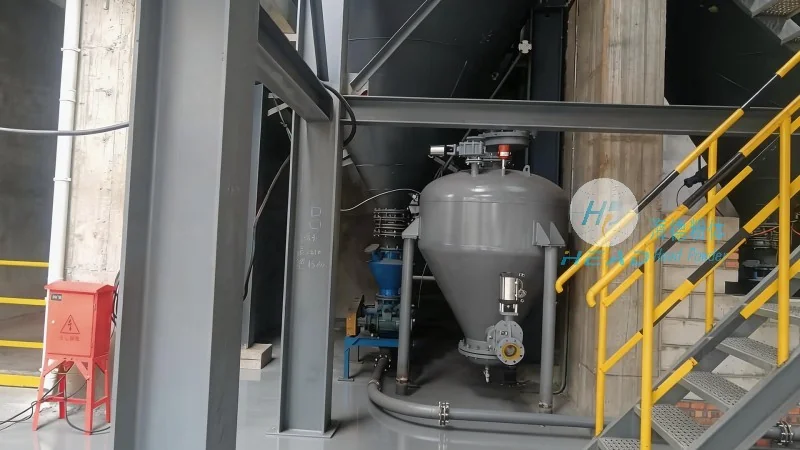
Advantages and Applications in Industrial Settings
The adoption of sodium fluorosilicate pneumatic conveying systems offers numerous advantages that enhance operational efficiency and product quality. Compared to traditional mechanical conveyors, pneumatic systems reduce the risk of material contamination, as they operate in closed environments, preventing exposure to external contaminants. This is particularly important for sodium fluorosilicate, which is used in applications where purity is critical, such as in the production of pharmaceuticals or specialty chemicals. Additionally, pneumatic conveying systems provide greater flexibility in layout, allowing for vertical and horizontal transport without the need for complex infrastructure. This adaptability is valuable in facilities where space is limited or where production lines need to be reconfigured. The systems also contribute to reduced labor costs, as they automate the material handling process, minimizing the need for manual intervention and associated risks. In industries such as glass manufacturing, where sodium fluorosilicate is used as a flux agent, the ability to deliver precise amounts of material to furnaces improves process control and product consistency.
Conclusion and Future Considerations
As industries continue to seek more efficient and reliable methods for handling sodium fluorosilicate, pneumatic conveying systems remain a viable and effective solution. The integration of advanced technology, such as variable frequency drives and real-time monitoring systems, further enhances the performance and safety of these systems. Companies like Shandong HeadPowder Engineering Co., Ltd. play a crucial role in developing and implementing these technologies, ensuring that industries can meet their production goals while maintaining high standards of safety and quality. By understanding the principles and characteristics of sodium fluorosilicate pneumatic conveying systems, businesses can make informed decisions that optimize their material handling processes and contribute to overall operational success.