

Principle and Working Scene Characteristics of Fertilizer Granule Pneumatic Conveying Systems
HeadPowder, a leading provider in the field of material handling solutions, specializes in the design, manufacturing, and installation of advanced pneumatic conveying systems for various industrial applications. This article delves into the fundamental principles and operational characteristics of fertilizer granule pneumatic conveying systems, highlighting their efficiency, reliability, and suitability for diverse industrial environments.
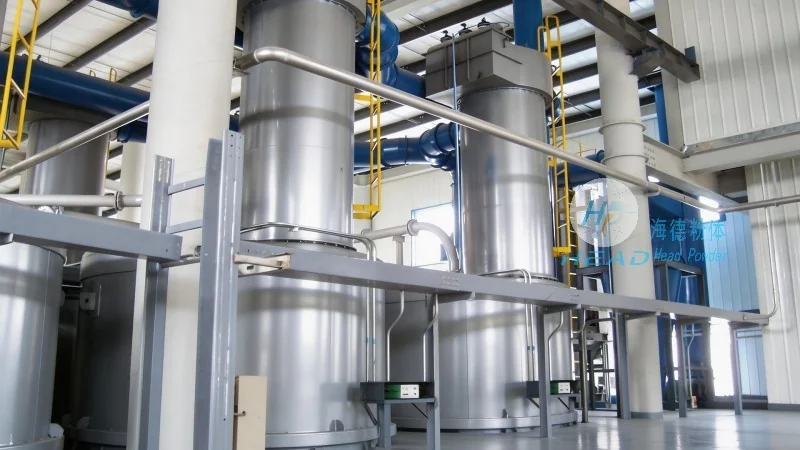
Understanding the Core Principle of Pneumatic Conveying for Fertilizer Granules
The pneumatic conveying system for fertilizer granules operates on the principle of transporting bulk materials through a pipeline using a gas stream, typically air or a combination of air and other gases. Unlike traditional mechanical conveyors, this method eliminates the need for mechanical components such as belts, chains, or buckets, reducing maintenance costs and enhancing operational safety. The system relies on the creation of a pressure differential within the pipeline, where the gas flow propels the fertilizer granules forward. This process can be categorized into two main types: dilute-phase and dense-phase conveying, each tailored to specific material characteristics and application requirements.
Key Components and Their Functions in Fertilizer Granule Pneumatic Conveying Systems
HeadPowder's fertilizer granule pneumatic conveying systems are engineered with precision, incorporating several critical components that ensure optimal performance. The primary components include the hopper or feeder, which feeds the fertilizer granules into the system; the conveying line, which transports the material; the air compressor or blower, which generates the necessary gas flow; and the control system, which regulates the pressure and flow rates. Each component is designed to handle the unique properties of fertilizer granules, such as their size, density, and moisture content, ensuring consistent and efficient transport. The hopper is typically equipped with a rotary valve or screw feeder to maintain a steady flow of material, preventing blockages and ensuring smooth operation. The conveying line is constructed from durable materials, such as stainless steel or high-grade plastic, to resist corrosion and wear from the fertilizer granules. The air compressor is selected based on the required pressure and flow rate, ensuring sufficient power to move the granules through the pipeline. The control system monitors and adjusts the parameters in real-time, optimizing the conveying process and minimizing energy consumption.
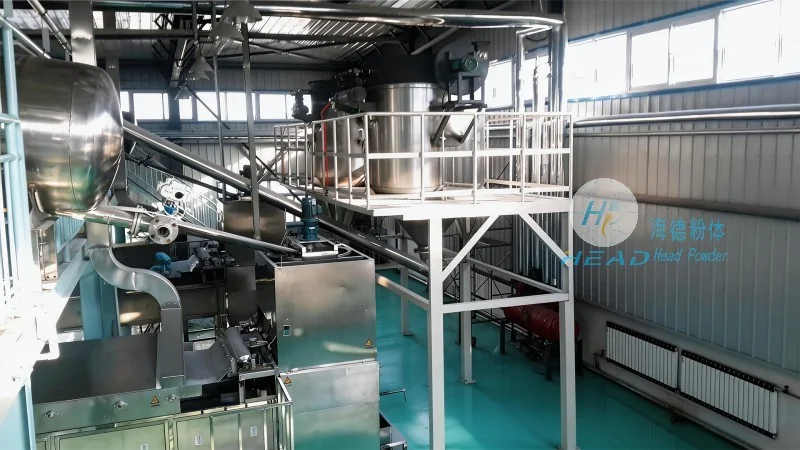
Working Scene Characteristics: Applications and Operational Advantages
Fertilizer granule pneumatic conveying systems are widely used in various industrial settings, including fertilizer production plants, storage facilities, and distribution centers. The primary advantage of this technology is its ability to transport materials over long distances with minimal loss and high efficiency. Unlike mechanical conveyors, which may experience material degradation or spillage, pneumatic systems maintain the integrity of the fertilizer granules, preserving their quality and effectiveness. This is particularly important for fertilizer products, as any degradation can reduce their nutrient content and impact crop yields. Additionally, pneumatic conveying systems are highly flexible, allowing for changes in the conveying route or capacity without significant modifications to the infrastructure. This adaptability makes them suitable for dynamic industrial environments where production needs may change frequently.
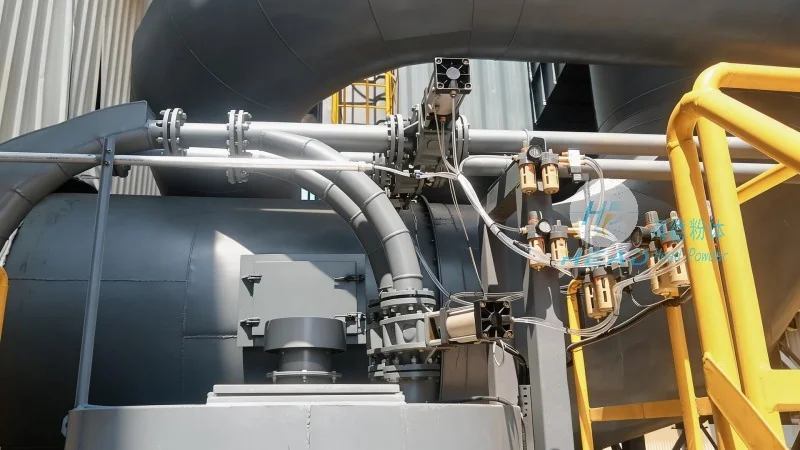
Efficiency and Reliability in Industrial Applications
HeadPowder's fertilizer granule pneumatic conveying systems are renowned for their high efficiency and reliability, making them a preferred choice for industrial operations. The systems are designed to operate continuously with minimal downtime, ensuring uninterrupted production processes. The use of advanced control systems allows for precise regulation of the conveying parameters, reducing energy consumption and operational costs. The components are built to withstand the harsh conditions of industrial environments, such as high temperatures, humidity, and dust, ensuring long service life and low maintenance requirements. Furthermore, the systems are equipped with safety features, such as pressure relief valves and emergency shut-off mechanisms, to prevent accidents and protect personnel. These features enhance the overall safety and reliability of the system, making it suitable for high-risk industrial applications.
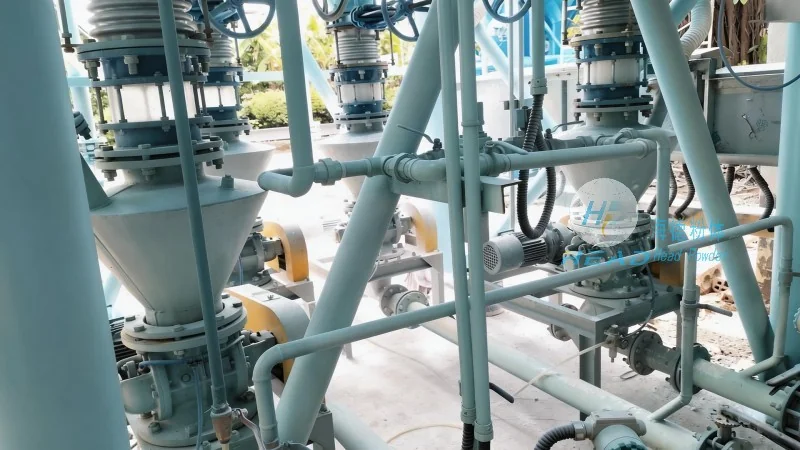
Customization and Scalability for Diverse Industrial Needs
HeadPowder understands that each industrial application has unique requirements, and therefore, offers customized pneumatic conveying solutions tailored to specific needs. The company works closely with clients to assess their operational needs, material characteristics, and budget constraints, and then designs a system that meets all requirements. The systems can be scaled to accommodate varying production capacities, from small-scale operations to large industrial plants. This scalability ensures that the system can grow with the client's business, providing long-term value and investment return. Additionally, HeadPowder provides comprehensive after-sales support, including maintenance, repair, and technical assistance, ensuring that the system operates at optimal performance throughout its lifecycle.
Conclusion: The Advantages of Fertilizer Granule Pneumatic Conveying Systems
In conclusion, fertilizer granule pneumatic conveying systems offer significant advantages over traditional mechanical conveying methods, including high efficiency, reliability, and flexibility. HeadPowder's expertise in designing and manufacturing these systems ensures that clients receive a solution that meets their specific needs and operational requirements. The systems are ideal for transporting fertilizer granules in various industrial settings, providing a cost-effective and sustainable solution for material handling. As industrial operations continue to evolve, the demand for efficient and reliable material handling solutions will increase, and pneumatic conveying systems will remain a key technology in meeting these needs. HeadPowder's commitment to quality and innovation ensures that its systems will continue to provide superior performance and value to its clients.