

Working Principle and Features of Wood Dust Material Pneumatic Conveying Equipment
HeadPowder, a leading manufacturer based in Shandong, China, specializes in providing advanced pneumatic conveying solutions for various industrial applications, including the efficient handling of wood dust materials. This article delves into the working principle and key features of their wood dust material pneumatic conveying equipment, offering insights into how this technology enhances material transport efficiency and operational reliability.
Introduction to Wood Dust Material Pneumatic Conveying Systems
Wood dust, a common byproduct in woodworking and related industries, poses unique challenges when it comes to material handling due to its fine particle size, light weight, and tendency to create dust clouds. Traditional methods like belt conveyors or bucket elevators may not be suitable for such delicate materials, as they can lead to material degradation, increased maintenance, and poor dust control. Pneumatic conveying systems, particularly those designed for wood dust, offer a more effective and hygienic solution by utilizing air pressure to transport particles through a pipeline network.
The Working Principle of Wood Dust Pneumatic Conveying Equipment
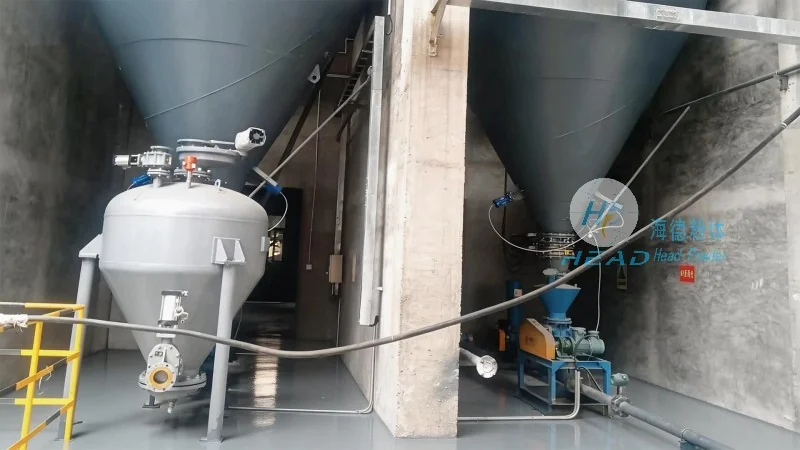
The core of wood dust pneumatic conveying systems lies in the use of compressed air to move material from the source to the destination. The process typically involves several key components working in tandem: a material feed hopper, an air compressor or blower, a pipeline system, and a discharge point. The wood dust is first collected in the feed hopper, where it is then fed into the pipeline under the pressure of the compressed air. The air flow carries the dust particles along the pipeline, ensuring a consistent and controlled transport. The system may also include features such as cyclone separators or filters to separate the air from the material at the discharge end, allowing for clean air release and material collection.
Key Features of HeadPowder's Wood Dust Pneumatic Conveying Equipment
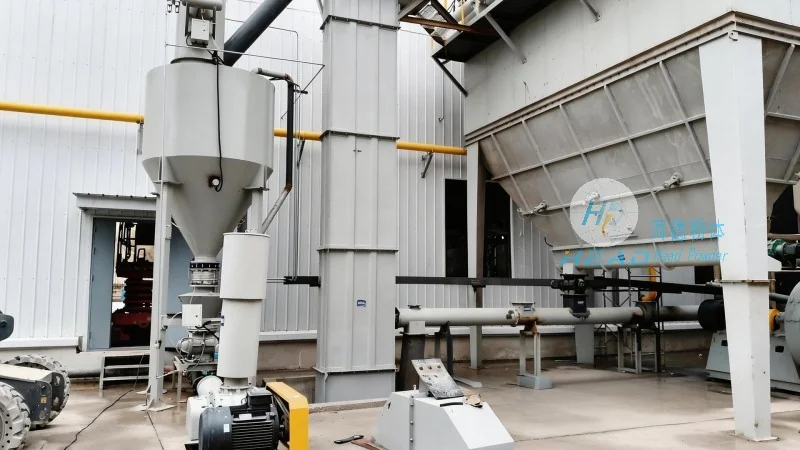
HeadPowder's wood dust pneumatic conveying equipment is engineered with several distinct features that enhance performance and user experience. One of the primary advantages is the system's ability to handle fine, light materials without causing clogging or blockages, which is crucial for maintaining consistent flow rates. The equipment is also designed with robust materials to withstand the abrasive nature of wood dust, ensuring long-term durability and minimal maintenance. Additionally, the system incorporates advanced control mechanisms that allow for precise regulation of air pressure and flow, optimizing energy consumption while maintaining efficient material transport. Another notable feature is the integration of dust suppression and filtration systems, which help to minimize environmental impact and comply with industrial safety standards. The equipment is also modular in design, allowing for easy installation and scalability to accommodate varying production needs.
Benefits of Using Wood Dust Pneumatic Conveying Systems
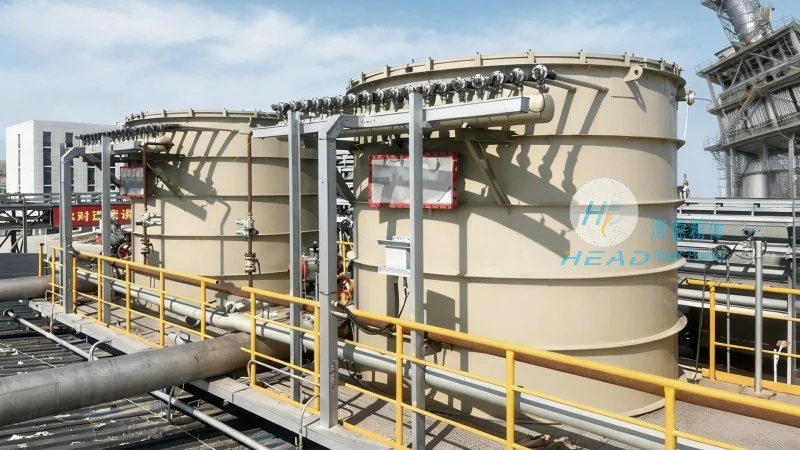
Implementing a pneumatic conveying system for wood dust offers numerous benefits for industrial operations. Firstly, it significantly improves material handling efficiency by eliminating the need for manual handling or traditional conveyor systems that may be less effective for fine particles. This leads to reduced labor costs and increased productivity. Secondly, the system provides better dust control, reducing the risk of respiratory issues among workers and minimizing the spread of dust in the workplace. Thirdly, the enclosed pipeline system prevents material loss and contamination, ensuring that the wood dust remains in a controlled environment throughout the transport process. Furthermore, the energy efficiency of pneumatic conveying systems compared to other methods can lead to lower operational costs over time. Finally, the system's flexibility allows for easy integration into existing production lines, making it a practical solution for both new and existing facilities.
Application Scenarios and Industry Use Cases
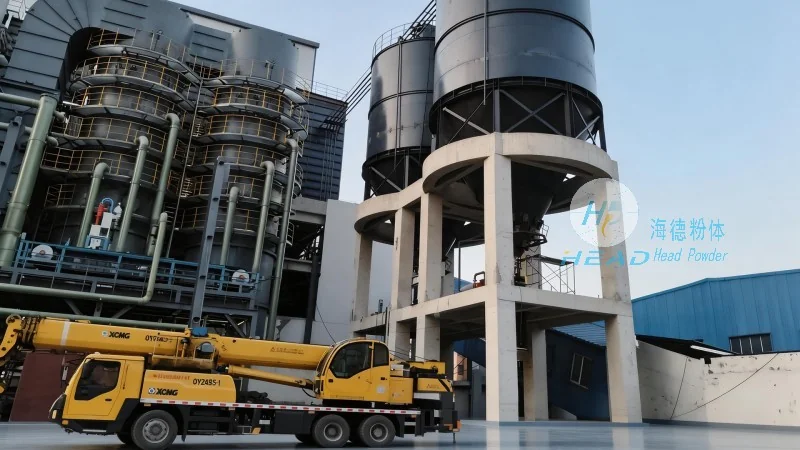
Wood dust pneumatic conveying equipment from HeadPowder is widely used in various industries where wood dust is a byproduct. In the woodworking industry, it is commonly employed to transport sawdust, shavings, and other fine particles from machining centers to storage silos or processing units. In the furniture manufacturing sector, the system helps to move wood dust from sanding and polishing operations to waste management systems. Additionally, in the paper and pulp industry, pneumatic conveying is used to transport wood chips and dust from preprocessing stages to the next production steps. The equipment is also suitable for applications in the agricultural sector, where wood dust from biomass processing is handled and transported to storage or processing facilities. Overall, the versatility of the system makes it a valuable asset across multiple industries that rely on efficient wood dust management.
Conclusion and Company Information
Wood dust material pneumatic conveying equipment from Shandong HeadPowder Engineering Co., Ltd. represents a sophisticated solution for the efficient and reliable handling of fine wood particles. By leveraging the principles of pneumatic transport, the system addresses the unique challenges associated with wood dust, offering improved efficiency, better dust control, and enhanced operational safety. With its robust design, advanced features, and commitment to quality, HeadPowder's equipment is an ideal choice for industries seeking to optimize their material handling processes. Based in Shandong, China, HeadPowder continues to innovate and provide tailored solutions to meet the evolving needs of its clients in the wood processing and related sectors.