

Working Principle and Features of Bag Breakage Material Pneumatic Conveying Lines
Bag breakage material pneumatic conveying lines are advanced industrial systems engineered to efficiently handle bulk materials that have been packaged in bags. These systems are essential in various sectors, including food processing, chemical manufacturing, and pharmaceuticals, where the need to transfer materials from bags to processing equipment is prevalent. The core function of such lines is to break open the bags, extract the contents, and transport them through a pneumatic system to the desired destination, ensuring minimal material loss and contamination.
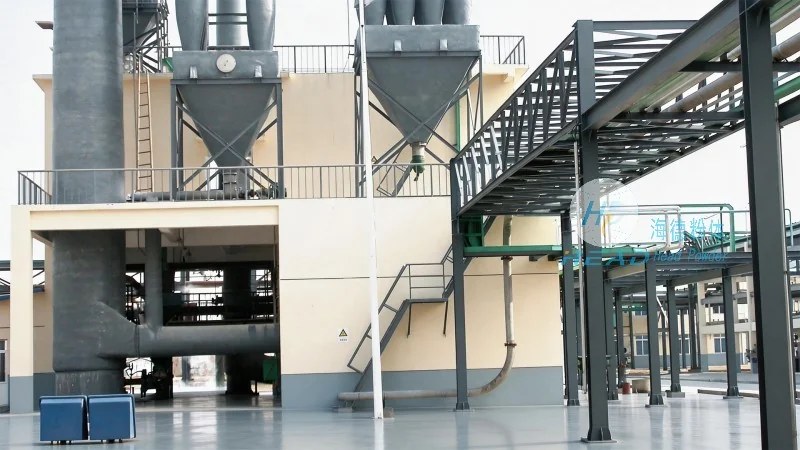
Working Principle of Bag Breakage Material Pneumatic Conveying Lines
The operation of a bag breakage material pneumatic conveying line involves a series of coordinated steps designed to ensure efficient material handling. The process typically begins with the placement of a bag containing the bulk material onto a hopper or a dedicated bag breaker. The bag breaker, which may use mechanical or pneumatic force, is responsible for opening the bag and releasing the contents into the conveying system. This step is critical as it ensures complete discharge of the material from the bag, preventing residue that could affect product quality or processing efficiency.
Once the material is released from the bag, it is drawn into the conveying line by a vacuum or pressure system, depending on the line's design. The conveying line consists of a network of pipes, valves, and a central conveying unit that may include a blower or a vacuum pump. The material is carried through the pipes by the airflow, which can be either positive pressure (air forced into the system) or negative pressure (air drawn out). The choice between these systems depends on the material's characteristics, such as density, flowability, and dustiness, as well as the distance and volume of material to be transported.
In positive pressure systems, a blower generates the necessary air pressure to push the material through the conveying line. The air and material mixture travels through the pipes, and the material is separated from the air at the receiving end using a cyclone or a filter. The separated material is collected in a hopper or storage bin, while the air is either filtered and recirculated or released to the atmosphere. Negative pressure systems utilize a vacuum pump to draw the material and air into the system, with the material being separated at the discharge point via a filtration system. This separation process is vital for maintaining air quality and preventing dust contamination in the processing environment.
The central component of the conveying line is the conveying unit, which includes a hopper, a rotary valve, and a filter. The hopper collects the material from the bag breaker and feeds it into the conveying unit. The rotary valve regulates the material flow into the conveying line, ensuring a consistent and controlled feed rate. The filter is essential for removing dust and particles from the air before it is recirculated or released, maintaining air purity and protecting the working environment from health hazards and equipment damage.
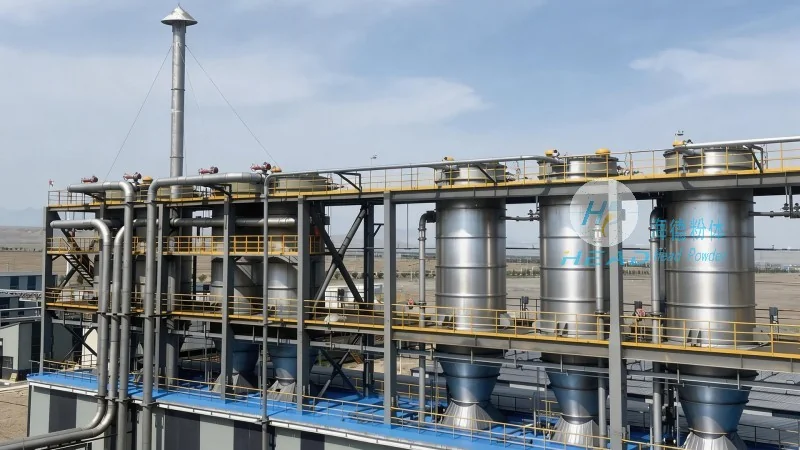
Key Features of Bag Breakage Material Pneumatic Conveying Lines
Bag breakage material pneumatic conveying lines offer several advantages that make them a preferred choice for material handling in diverse industries. One primary feature is their ability to handle a wide range of materials, including powders, granules, and bulk solids. The systems are designed to accommodate materials with varying properties, such as moisture content, particle size, and flowability, making them versatile and adaptable to different applications.
Another significant feature is the efficiency and speed of material transfer. Pneumatic conveying lines can transport materials over long distances and at high speeds, reducing the need for manual handling and minimizing material loss or contamination risks. The systems are capable of handling large volumes of material, making them suitable for high-throughput operations in industrial settings, where productivity and throughput are critical.
Environmental considerations are also a key feature of these systems. Many bag breakage material pneumatic conveying lines are equipped with advanced filtration systems that capture dust and particles, ensuring clean air and a safe working environment. This is particularly important in industries like food processing and pharmaceutical manufacturing, where air quality directly impacts product safety and regulatory compliance. The filtration systems also help prevent dust spread, reducing health risks and equipment wear.
Flexibility is another notable advantage. Bag breakage material pneumatic conveying lines can be customized to meet specific application needs. The systems can be designed to handle different bag sizes and types, and the conveying line can be adjusted to accommodate changes in material flow rates or processing requirements. This adaptability allows for easy integration into existing production lines and enables the system to evolve with changing operational demands.
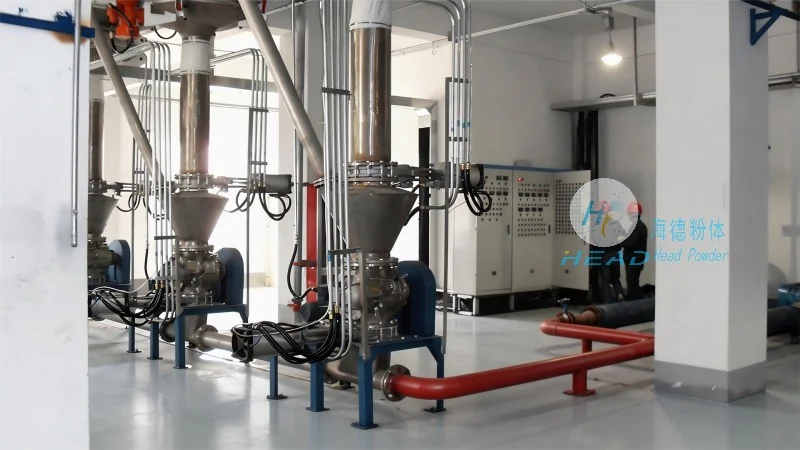
The reliability and durability of the systems are also critical features. The components, including the bag breaker, conveying unit, and filtration system, are built with high-quality materials and robust engineering to withstand industrial conditions. The systems are designed for long-term performance with minimal maintenance requirements, ensuring consistent operation and reducing downtime costs. This reliability is essential in industrial settings where operational continuity is paramount.
Applications and Industries Using Bag Breakage Material Pneumatic Conveying Lines
Bag breakage material pneumatic conveying lines are widely used across various industries where bulk materials are handled and processed. In the food industry, these systems are commonly employed to transfer ingredients such as flour, sugar, and spices from bags to processing equipment. The systems are constructed with sanitary components to handle food-grade materials, ensuring compliance with hygiene standards and maintaining product quality.
In the chemical industry, bag breakage material pneumatic conveying lines are used to transfer chemicals, powders, and other materials from bags to storage tanks or processing equipment. The systems are designed to handle materials with different chemical properties, and the filtration systems are equipped to capture any dust or particles, preventing contamination and ensuring safe handling of hazardous substances.
In the pharmaceutical industry, these systems are utilized to transfer active ingredients, excipients, and other materials from bags to manufacturing equipment. The systems meet stringent requirements for cleanliness and contamination control, with filtration systems often including HEPA filters to ensure air purity. This is crucial for maintaining the quality and safety of pharmaceutical products, which require strict adherence to regulatory standards.