

Working Principle and Features of Coal Powder Material Pneumatic Conveying Systems
Coal powder material pneumatic conveying systems are essential equipment in the modern industrial sector, particularly for the efficient transport of fine particulate materials like coal powder. Understanding the working principle and key features of such systems is crucial for optimizing material handling processes in various industries, including power generation, chemical processing, and mining. This article provides a detailed overview of how these systems operate and the advantages they offer.
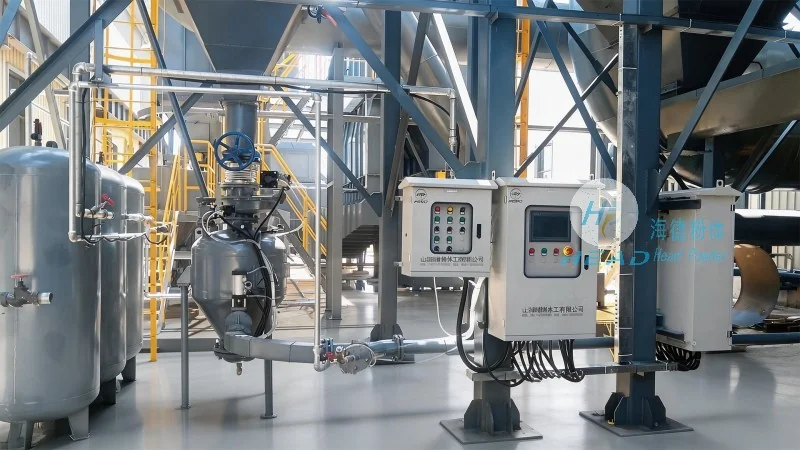
Shandong HeadPowder Engineering Co., Ltd., a leading manufacturer based in China, specializes in the design, development, and implementation of advanced pneumatic conveying solutions tailored to the unique needs of coal powder handling applications. With a strong commitment to technological innovation and quality, the company has established itself as a trusted partner for businesses seeking reliable and efficient material transport solutions.
The working principle of a coal powder pneumatic conveying system revolves around the use of air as the primary medium to transport the material. Typically, these systems employ a combination of positive pressure or negative pressure (vacuum) to move the coal powder from the source to the destination. The process begins with the coal powder being fed into a hopper or feeder, where it is then introduced into a pipeline. Simultaneously, a fan or blower generates the necessary airflow, which carries the coal powder particles through the pipeline to the discharge point. The system may include components such as cyclones, filters, and separators to ensure the material is transported efficiently and without loss.
One of the primary advantages of coal powder pneumatic conveying systems is their ability to handle fine and abrasive materials without causing excessive wear on equipment. Unlike traditional mechanical conveyors, which rely on moving parts like belts or screws, pneumatic systems use air to transport the material, reducing the risk of blockages and material degradation. This makes them ideal for transporting coal powder, which can be prone to clumping or degradation under mechanical stress.
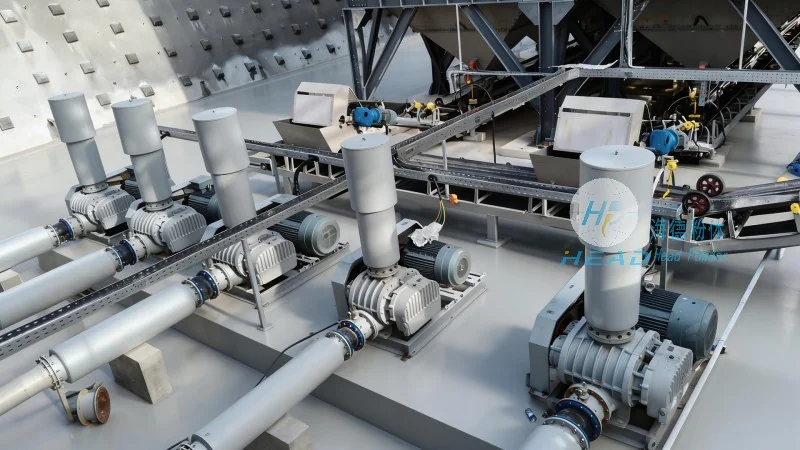
Another key feature is the system's flexibility in terms of layout and installation. Pneumatic conveying systems can be designed to follow complex routes, including vertical and horizontal sections, making them suitable for facilities with limited space or irregular layouts. The modular design of these systems allows for easy expansion or modification as operational needs change, providing long-term value and adaptability.
Efficiency and energy consumption are also significant considerations in the design of coal powder pneumatic conveying systems. Modern systems incorporate advanced control technologies to optimize airflow and pressure, reducing energy waste and operational costs. By maintaining consistent air pressure and flow rates, these systems ensure reliable and continuous material transport, minimizing downtime and maximizing productivity.
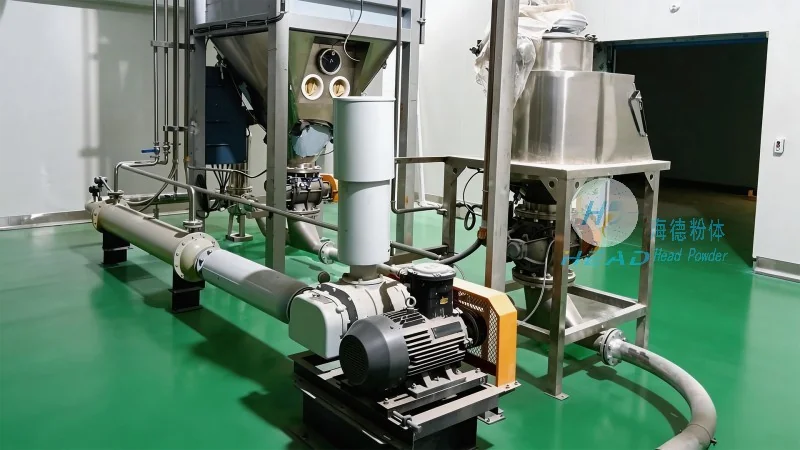
Environmental considerations play a vital role in the design and operation of coal powder pneumatic conveying systems. The systems are equipped with dust collection and filtration systems to prevent airborne emissions and protect the environment. This is particularly important in industries where coal powder handling is involved, as proper dust control is essential for compliance with environmental regulations and worker safety.
Shandong HeadPowder Engineering Co., Ltd. leverages its expertise in material handling technology to provide customized solutions that address the specific challenges of coal powder transport. The company's engineers work closely with clients to assess their operational requirements, material characteristics, and site constraints, ensuring that the final system is optimized for performance, reliability, and cost-effectiveness.
In conclusion, coal powder material pneumatic conveying systems offer a highly effective and efficient method for transporting fine particulate materials. By understanding the working principle and leveraging the key features of these systems, industries can improve their material handling processes, reduce operational costs, and enhance overall productivity. With the support of companies like Shandong HeadPowder Engineering Co., Ltd., businesses can access advanced pneumatic conveying solutions that meet their unique needs and contribute to sustainable industrial operations.