

Working Principle and Features of Foam Powder Material Conveying Lines
For industrial applications involving the handling of foam powder materials, efficient and reliable material conveying systems are essential. This article explores the working principle and key features of foam powder material conveying lines, highlighting how they enhance operational efficiency and product quality in various manufacturing processes. Developed by Shandong HeadPowder Engineering Co., Ltd., these systems are engineered to address the unique challenges associated with handling powders that are prone to dust, caking, or uneven flow.
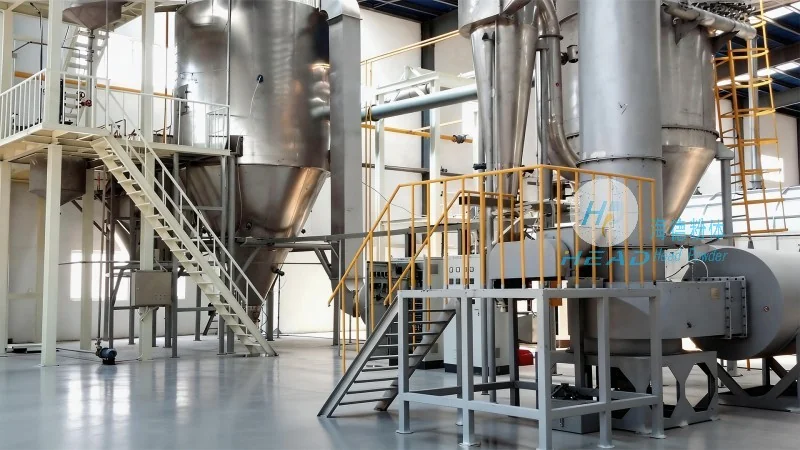
Introduction to Foam Powder Material Conveying Lines
Foam powder material conveying lines are specialized systems designed to transport lightweight, aerated powder materials, such as foam powders used in the production of lightweight construction materials, insulation products, or other industrial applications. These systems are engineered to address the unique challenges associated with handling powders that are prone to dust, caking, or uneven flow. By integrating advanced technology and robust design, these conveying lines ensure consistent material transfer while maintaining product integrity and minimizing operational risks.
Working Principle of Foam Powder Material Conveying Lines
The core working principle of foam powder material conveying lines revolves around the use of positive pressure or vacuum systems to move the material through a network of pipes or hoses. In positive pressure systems, a blower or fan generates airflow that propels the foam powder particles forward. The design typically includes a hopper or storage bin at the inlet, where the powder is fed into the system. As the air flows through the conveying line, it carries the powder particles, ensuring uniform distribution and preventing blockages. The system may also incorporate features like cyclone separators or filters to separate the powder from the air at the discharge end, allowing for clean material recovery and air filtration.
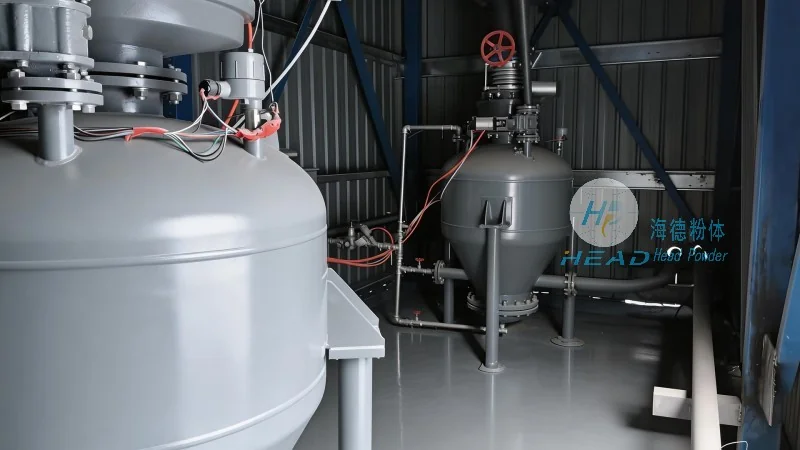
Key Features of Foam Powder Material Conveying Lines
Foam powder material conveying lines are characterized by several key features that make them suitable for demanding industrial environments. One of the primary features is the ability to handle low-density, aerated materials without causing degradation or compaction. The systems are equipped with adjustable air flow controls, allowing operators to optimize the conveying rate based on material properties and system requirements. Additionally, these lines often include anti-static measures to prevent dust accumulation and ensure safe operation, as foam powders can be prone to static buildup. The design also emphasizes durability and easy maintenance, with components such as flexible hoses or flexible connectors that can withstand the rigors of continuous operation. Furthermore, the conveying lines may incorporate monitoring systems to track material flow rates and detect any anomalies, providing real-time data for process control.
Technical Advantages of Foam Powder Material Conveying Lines
The technical advantages of foam powder material conveying lines contribute significantly to their effectiveness in industrial settings. One major advantage is the reduction in labor costs and manual handling, as automated systems eliminate the need for workers to transport heavy or dusty materials. This not only improves safety but also increases productivity by allowing for continuous operation without frequent interruptions. Another advantage is the preservation of material quality, as the enclosed system prevents contamination from external sources and minimizes exposure to moisture or air, which could affect the foam powder's properties. The systems also offer flexibility in terms of layout, as they can be configured to follow the existing factory layout or be adapted to new production lines. This adaptability makes them suitable for both new installations and retrofitting in existing facilities.
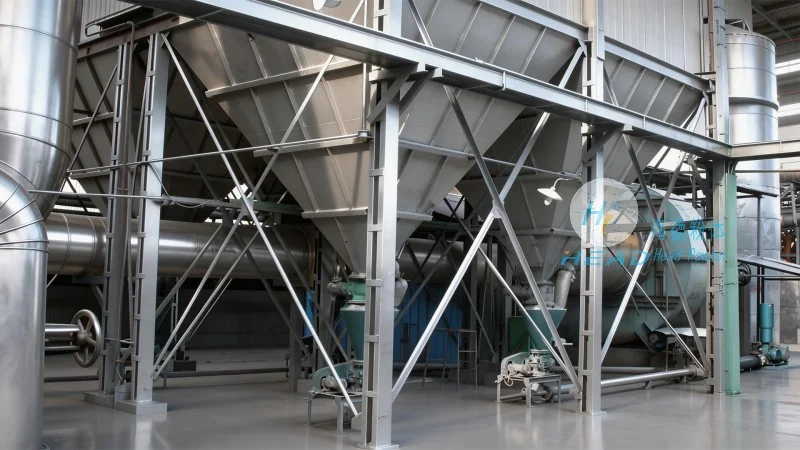
Application Scenarios for Foam Powder Material Conveying Lines
Foam powder material conveying lines are widely used in various industries where foam powders are a critical component. In the construction industry, these systems are employed to transport lightweight aggregate powders used in the production of insulating concrete or structural foam panels. The automotive industry also utilizes them for conveying foam powders used in soundproofing or thermal insulation applications. Additionally, in the packaging and manufacturing sectors, the lines are used to transport foam powders for creating lightweight packaging materials or as fillers in composite products. The versatility of these conveying lines makes them a valuable asset in any production process that requires efficient and reliable handling of foam powders.
Conclusion
Foam powder material conveying lines represent a sophisticated solution for the efficient and safe handling of lightweight, aerated powder materials. By understanding their working principle and key features, industries can leverage these systems to enhance productivity, maintain product quality, and improve overall operational efficiency. As technology continues to advance, these conveying lines are likely to evolve further, incorporating more intelligent controls and sustainable practices to meet the growing demands of modern manufacturing.