

Working Principle and Features of Oat Material Handling Equipment
When it comes to efficiently handling oat materials in industrial settings, specialized equipment plays a crucial role in ensuring smooth operations and maintaining product quality. The working principle and features of oat material handling equipment are designed to address the unique challenges associated with processing oats, from raw material intake to final product discharge. Understanding these aspects is essential for businesses involved in oat processing, as it directly impacts productivity, safety, and overall operational efficiency.
Working Principle of Oat Material Handling Equipment
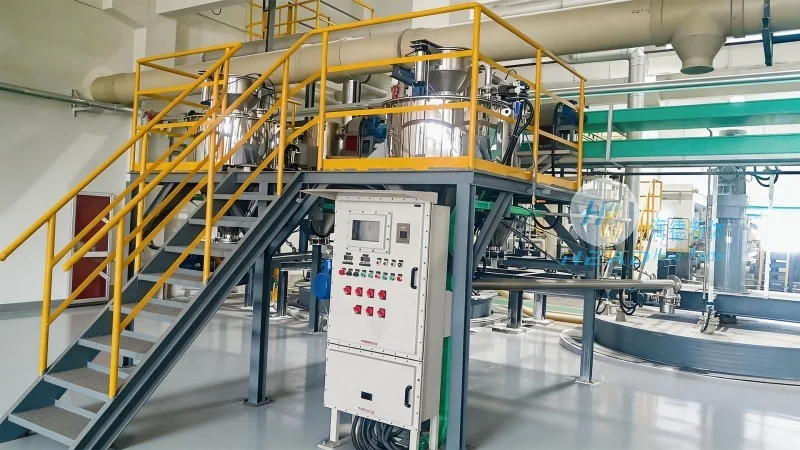
The working principle of oat material handling equipment typically revolves around a series of integrated components that work in tandem to transport, store, and process oat materials. At the core of the system is the feeding mechanism, which is responsible for receiving raw oat materials from storage silos or bulk containers. This initial step ensures a consistent and controlled flow of material into the processing line. Once the material is fed into the system, it moves through a series of conveyors, which may include belt conveyors, screw conveyors, or pneumatic systems, depending on the specific design and application requirements. The conveyors are engineered to handle the bulk density and moisture content of oats, ensuring minimal material degradation and loss during transport.
Following the conveyor section, the equipment may incorporate sorting or screening mechanisms to separate different oat grades or remove impurities. This step is critical for maintaining product quality, as it helps to eliminate foreign objects or underdeveloped grains that could affect the final product's texture and nutritional value. The sorting process often involves vibrating screens or air classifiers, which use air flow or mechanical vibration to separate materials based on size, density, or other physical properties. After sorting, the oat material proceeds to the next stage of processing, such as cleaning, drying, or packaging, where additional equipment may be integrated to further refine the product.
Key Features of Oat Material Handling Equipment
Several key features distinguish high-quality oat material handling equipment, making it suitable for demanding industrial environments. One of the most important features is the ability to handle large volumes of material with minimal downtime. This is achieved through robust construction, including heavy-duty frames and durable components that can withstand the abrasive nature of oats and the continuous operational stresses. The equipment is also designed for easy maintenance, with accessible components and modular design that allow for quick repairs and replacements, reducing overall maintenance costs and increasing operational uptime.
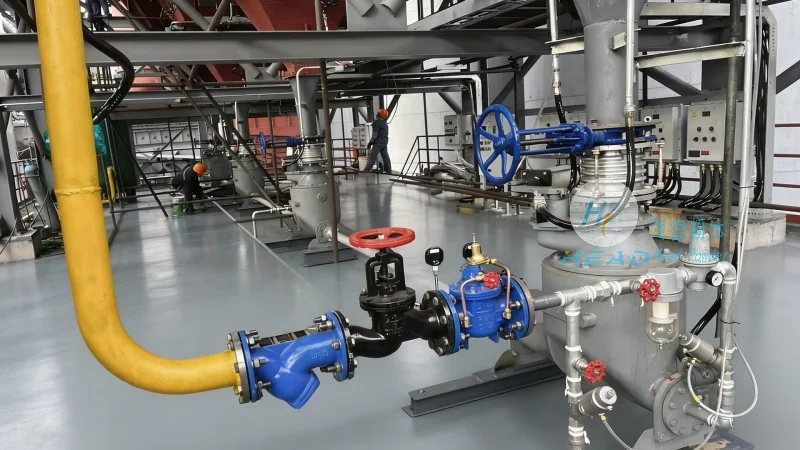
Another critical feature is the integration of advanced control systems, which provide real-time monitoring and adjustment of the processing parameters. These systems may include sensors to track material flow rates, temperature, and moisture levels, as well as automated controls to adjust conveyor speeds or sorting settings based on real-time data. This level of automation not only enhances efficiency but also improves product consistency, as it minimizes human error and ensures that the processing conditions remain optimal throughout the operation.
Energy efficiency is also a significant feature of modern oat material handling equipment. Manufacturers have incorporated energy-saving technologies, such as variable frequency drives (VFDs) for conveyors and optimized air flow systems for pneumatic transport, to reduce power consumption without compromising performance. This not only lowers operational costs but also aligns with sustainability goals, making the equipment environmentally friendly and cost-effective in the long run.
Customization and Application Flexibility
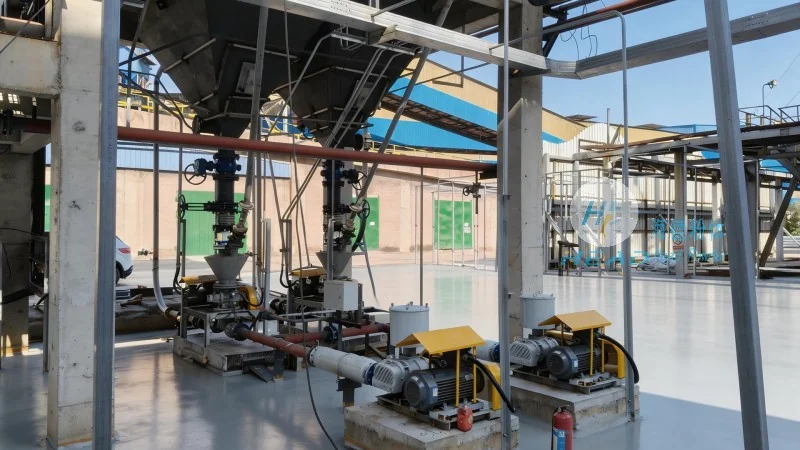
One of the standout features of oat material handling equipment from Shandong HeadPowder Engineering Co., Ltd. is its customization options, which allow businesses to tailor the equipment to their specific processing needs. Whether the application involves small-scale oat processing for a local mill or large-scale industrial production for a food processing plant, the equipment can be adapted to handle different capacities, material types, and processing requirements. The company's engineering team works closely with clients to understand their operational challenges and design solutions that address their unique needs, ensuring that the equipment is both effective and efficient.
Furthermore, the equipment is designed to be compatible with existing processing lines, allowing for seamless integration without major modifications to the facility. This flexibility reduces installation time and costs, making it an attractive option for businesses looking to upgrade or expand their oat processing capabilities. The company's commitment to quality and innovation ensures that their equipment meets the highest standards of performance and reliability, providing long-term value to their clients.
Conclusion
In summary, the working principle and features of oat material handling equipment are designed to optimize the processing of oat materials, ensuring efficiency, quality, and reliability. From the initial feeding and conveying stages to the advanced sorting and control systems, each component plays a vital role in maintaining the integrity of the product and enhancing operational performance. The equipment from Shandong HeadPowder Engineering Co., Ltd. exemplifies these principles, offering robust, customizable, and energy-efficient solutions that meet the diverse needs of the oat processing industry. By understanding the working principles and features of such equipment, businesses can make informed decisions to improve their processing capabilities and achieve better results in their oat production operations.