

Working Principle and Features of Desulfurization and Dust Removal Fly Ash Powder Conveying System E
Desulfurization and dust removal fly ash powder conveying systems are critical components in modern industrial facilities, particularly in power plants and other industries that generate large volumes of fly ash. These systems are designed to efficiently transport fly ash from the desulfurization and dust removal units to storage or disposal sites. Understanding the working principle and key features of such systems is essential for optimizing operational efficiency and ensuring compliance with environmental regulations.
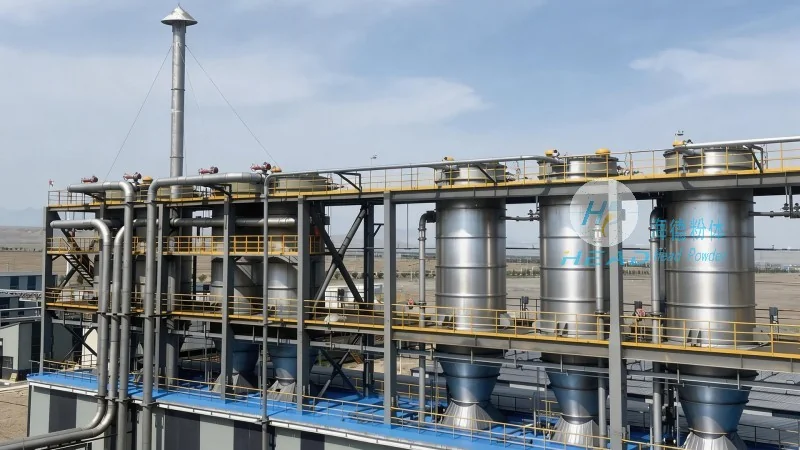
Company Introduction
HeadPowder, a leading provider of advanced powder handling solutions, specializes in the design, manufacturing, and installation of desulfurization and dust removal fly ash powder conveying systems. With a strong presence in Shandong, China, HeadPowder Engineering Co., Ltd. leverages decades of industry experience to deliver high-performance equipment tailored to the specific needs of clients. The company's commitment to quality, innovation, and customer satisfaction has established it as a trusted partner in the field of industrial powder handling.
Working Principle of the Fly Ash Powder Conveying System
The core of a desulfurization and dust removal fly ash powder conveying system is its ability to transport fine particulate matter, such as fly ash, from the source point to the destination without clogging or loss of material. The system typically operates on the principle of pneumatic conveying, where compressed air or gas is used to create a flow that moves the powder through a network of pipes. The working process can be broken down into several key steps:
First, the fly ash is collected from the desulfurization and dust removal units, often in a hopper or silo. From there, the material is fed into the conveying system via a feeder, which controls the flow rate to maintain consistent pressure and flow. The feeder may use a screw, rotary valve, or other mechanism to ensure a steady supply of ash to the system.
Next, the ash is introduced into the conveying line, where it is mixed with the conveying medium—usually compressed air or a combination of air and inert gas. The air is supplied at a pressure sufficient to overcome the resistance of the pipe and the weight of the ash particles. As the air flows through the pipe, it entrains the ash particles, creating a slurry-like mixture that travels through the system.
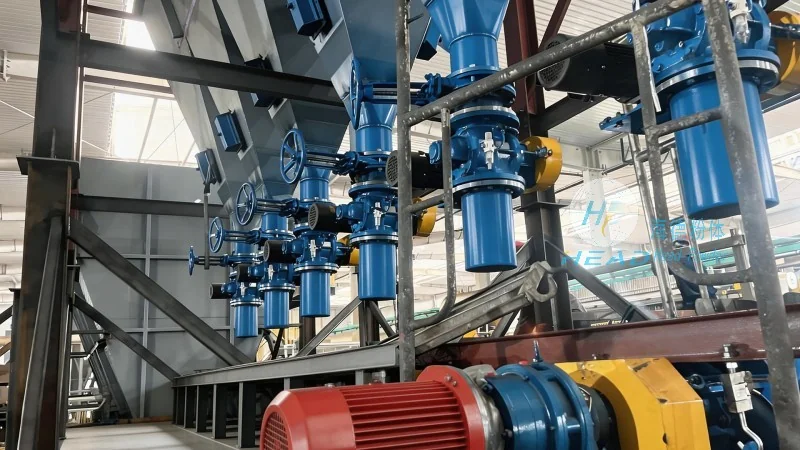
The conveying line may include various components such as bends, expansions, and filters to ensure smooth operation and prevent material buildup. Bends are designed with appropriate radii to minimize pressure loss and maintain the flow of ash. Expansions are used to reduce the velocity of the ash-air mixture, allowing for the separation of larger particles or the addition of more ash if needed. Filters are installed at the end of the line to capture any fine particles that may escape, ensuring that the discharged ash is clean and free from contaminants.
The system concludes with a discharge point, where the ash is deposited into a storage silo or transported to a disposal site. The discharge may be controlled by a valve or other mechanism to regulate the flow and prevent overfilling. The entire process is monitored and controlled by a system of sensors and controllers that ensure optimal performance and safety.
Key Features of the Fly Ash Powder Conveying System
HeadPowder's desulfurization and dust removal fly ash powder conveying systems are equipped with several advanced features that enhance their performance, reliability, and efficiency. These features are designed to address the unique challenges of handling fine, abrasive, and potentially hazardous fly ash. Some of the key features include:
1. High Efficiency and Low Energy Consumption: The systems are engineered to minimize energy usage while maintaining high conveying rates. Advanced air control systems and optimized pipe designs reduce pressure losses, resulting in lower operational costs and reduced environmental impact.
2. Adaptability and Flexibility: The conveying systems can be customized to accommodate various ash characteristics, such as particle size, moisture content, and abrasiveness. This flexibility allows the system to be adapted to different industrial applications and operational conditions.
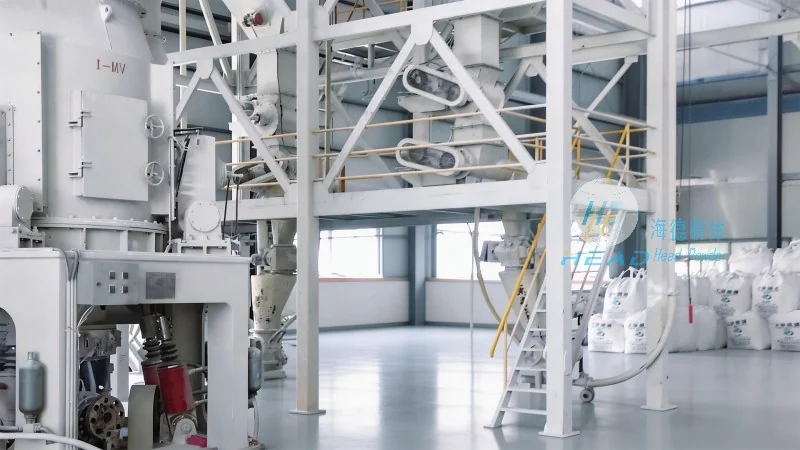
3. Reliability and Durability: The equipment is constructed from high-quality materials, such as stainless steel and abrasion-resistant alloys, to withstand the harsh conditions of fly ash handling. Robust components, including feeders, valves, and filters, ensure long service life and minimal downtime.
4. Environmental Compliance: The systems are designed to meet or exceed environmental regulations regarding fly ash handling and disposal. Features such as dust collection and filtration systems help minimize emissions and ensure that the discharged ash is clean and safe.
5. Advanced Control and Monitoring: Integrated control systems allow for real-time monitoring of system performance, including pressure, flow rate, and temperature. This enables operators to detect and address issues promptly, ensuring optimal operation and preventing system failures.
Conclusion
Desulfurization and dust removal fly ash powder conveying systems are essential for the efficient and safe handling of fly ash in industrial facilities. HeadPowder Engineering Co., Ltd., based in Shandong, China, offers advanced, reliable, and customizable systems that incorporate the latest technology and engineering principles. By understanding the working principle and key features of these systems, industrial operators can optimize their operations, reduce costs, and ensure compliance with environmental regulations. The combination of efficient pneumatic conveying, robust design, and advanced control features makes HeadPowder's systems a superior choice for fly ash handling applications.