

Working Principle and Features of Intelligent Powder Handling Systems Equipment
Intelligent powder handling systems have become essential in modern industrial processes, particularly in sectors dealing with bulk materials such as chemicals, food, and pharmaceuticals. These advanced systems are designed to enhance efficiency, safety, and precision in material transport. This article explores the working principle and key features of such systems, with a focus on the solutions provided by Shandong HeadPowder Engineering Co., Ltd., a leading manufacturer based in China.
Working Principle of Intelligent Powder Handling Systems
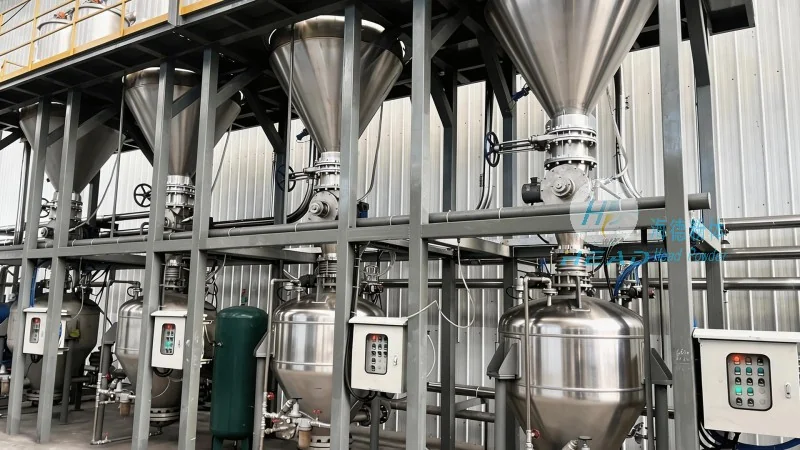
The core of an intelligent powder handling system lies in its integrated control and monitoring capabilities. These systems typically operate through a combination of mechanical, pneumatic, and electronic components. The process begins with material feeding, where powders are introduced into the system via hoppers or silos. Sensors, including level detectors and flow meters, continuously monitor the material status, ensuring optimal operation. The control unit, often equipped with advanced software, processes real-time data to adjust the flow rate, pressure, and other parameters as needed. This closed-loop control system minimizes human intervention, reducing errors and improving consistency. For instance, in a typical application, the system might use a positive displacement blower to generate airflow, which carries the powder through pipelines to the destination. The software can dynamically adjust the blower speed or pressure based on the material's characteristics and the system's load, ensuring a smooth and efficient transport. This intelligent approach not only optimizes performance but also extends the lifespan of equipment by preventing overloading or excessive wear.
Key Features of Intelligent Powder Handling Systems
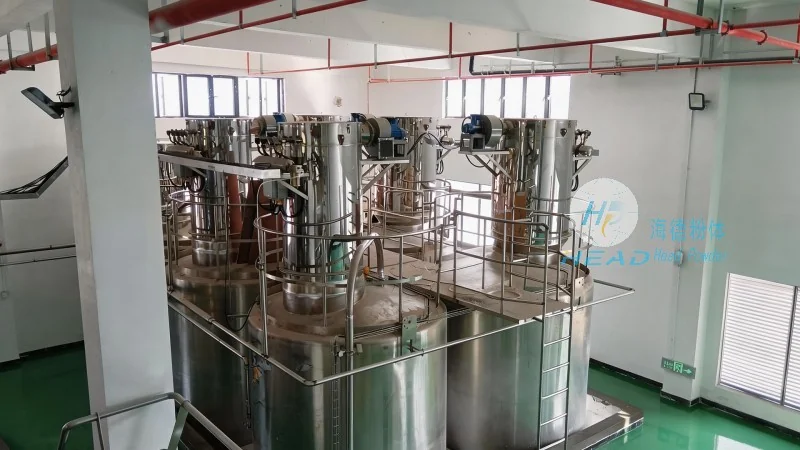
Intelligent powder handling systems are distinguished by several critical features that set them apart from traditional methods. First, they offer high efficiency and reliability. The automated control mechanisms ensure consistent material flow, minimizing downtime and maximizing production throughput. For example, in a food processing plant, the system can maintain a precise flow rate to meet strict quality standards, preventing contamination or over-processing. Second, these systems prioritize safety and environmental compliance. Advanced safety features, such as emergency shut-off valves and pressure relief systems, protect operators and equipment from hazards. Additionally, the use of enclosed pipelines and dust collection systems reduces dust emissions, adhering to environmental regulations. Third, they provide precise control and flexibility. The software allows users to adjust parameters like flow rate, temperature, and moisture content on the fly, adapting to different material types and application requirements. This adaptability is crucial in industries where materials vary widely, such as in pharmaceutical manufacturing, where different powders require specific handling conditions. Fourth, maintenance and operational costs are reduced through intelligent design. Self-diagnostic tools and predictive maintenance alerts help identify issues before they cause failures, reducing repair costs and increasing system uptime. The modular construction of these systems also allows for easy upgrades or replacements of components, extending the equipment's service life.
Application Examples and Benefits
Intelligent powder handling systems are widely used across various industries, delivering significant benefits. In the chemical industry, they enable the safe transport of hazardous powders, reducing the risk of accidents and exposure. The pharmaceutical sector benefits from the system's ability to maintain sterile conditions and prevent cross-contamination, ensuring product quality and compliance with regulatory standards. In the food industry, the systems help maintain hygiene and meet food safety guidelines, while also improving product consistency. The benefits extend to cost savings and operational efficiency. By reducing material waste and optimizing transport, these systems lower overall production costs. Additionally, the reduced need for manual labor and the minimized risk of human error lead to higher productivity and better safety records. The integration of these systems with existing infrastructure is also seamless, allowing for gradual upgrades without disrupting ongoing operations.
Conclusion
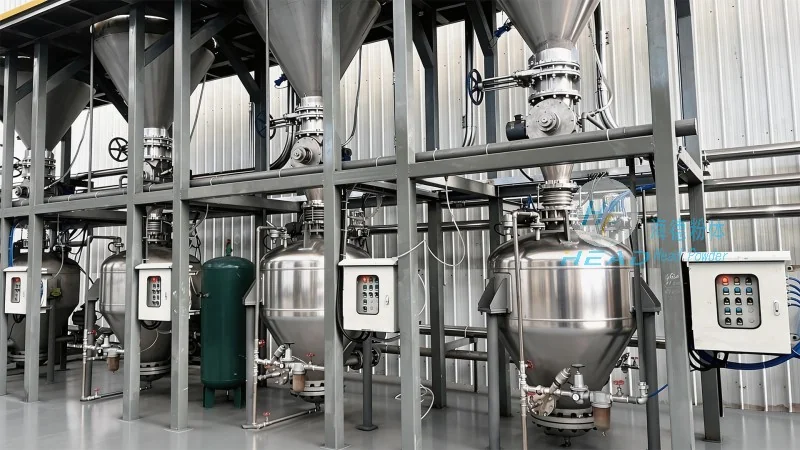
Intelligent powder handling systems represent a significant advancement in material transport technology, combining automation, precision, and safety. The working principle, centered on real-time monitoring and adaptive control, ensures efficient and reliable operation. Key features such as high efficiency, safety, flexibility, and low maintenance costs make these systems ideal for modern industrial applications. As industries continue to demand higher standards of productivity and safety, the role of intelligent powder handling systems will only grow. Shandong HeadPowder Engineering Co., Ltd., with its expertise in designing and manufacturing such systems, plays a vital role in meeting these evolving needs, providing solutions that enhance operational performance and contribute to the success of industrial processes.