

Working Principle and Features of Dry Mortar Powder Conveying Equipment
The dry mortar powder conveying equipment is a critical component in the production and distribution of dry mortar products. This machinery is designed to efficiently transport bulk dry powders, such as those used in construction applications, from storage silos or mixing units to the final processing or packaging stages. The proper functioning of this equipment directly impacts production efficiency, material quality, and overall operational costs in dry mortar manufacturing facilities.
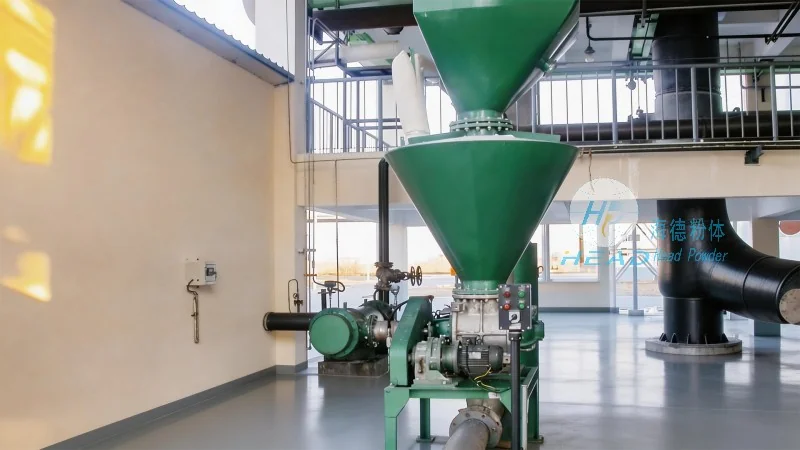
Company Overview: Shandong HeadPowder Engineering Co., Ltd.
HeadPowder, a leading manufacturer based in Shandong, China, specializes in the design, development, and production of advanced powder handling systems. With years of industry experience, the company has established itself as a trusted provider of high-quality conveying solutions tailored to the specific needs of the dry mortar sector. Their commitment to innovation and customer satisfaction has positioned them as a key player in the global market for powder processing equipment.
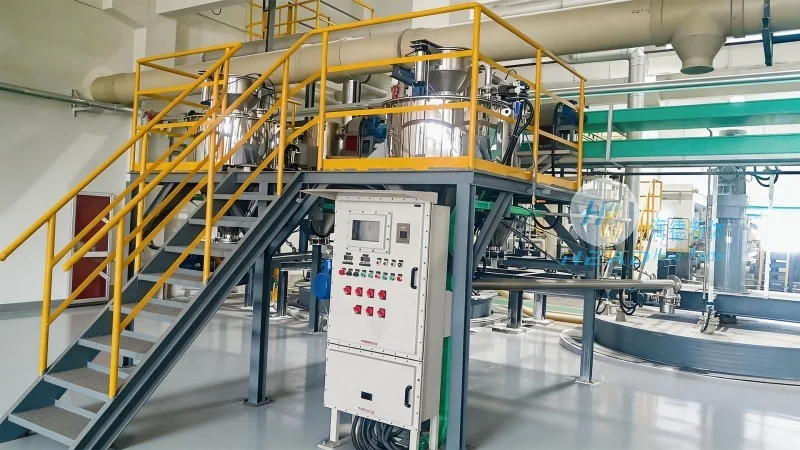
Working Principle of the Conveying System
The core working principle of dry mortar powder conveying equipment involves the use of positive pressure or negative pressure systems to move powders through a network of pipes. In a typical positive pressure system, a blower or fan generates air pressure that forces the powder particles through the pipeline. The equipment is equipped with components like feeders, ducts, and control valves that regulate the flow rate and direction of the material. The system ensures that the powder is transported without clogging or degradation, maintaining its quality throughout the process.
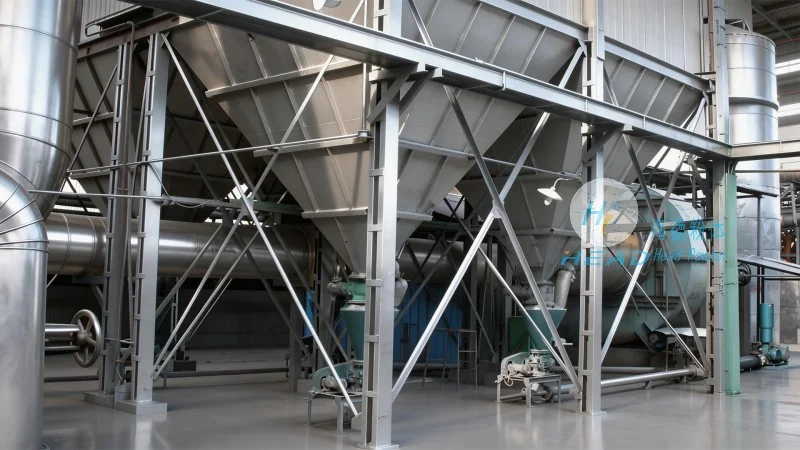
Key Features of the Equipment
The dry mortar powder conveying equipment from HeadPowder is characterized by several advanced features that enhance its performance and reliability. One of the primary features is the robust construction, which is built to withstand the abrasive nature of dry mortar powders and the high pressures involved in the conveying process. The equipment also includes advanced control systems that allow for precise regulation of flow rates, pressure, and temperature, ensuring optimal operation under various conditions.
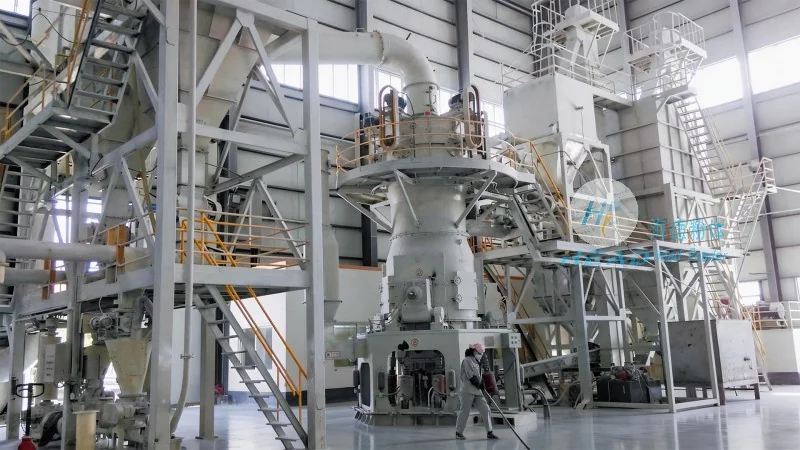
Technical Advantages and Practical Applications
The technical advantages of this equipment include high efficiency in material transport, minimal product loss, and reduced downtime due to maintenance. The system is designed to handle a wide range of powder types, from fine to coarse particles, making it versatile for different dry mortar formulations. In practical applications, this equipment is widely used in dry mortar production lines, where it plays a crucial role in maintaining consistent product quality and ensuring smooth production workflows. The equipment's durability and low maintenance requirements further contribute to its cost-effectiveness in long-term operations.