

Working Principle and Features of Coking Coal Granule Powder Conveying Equipment
Efficient and reliable coking coal granule powder conveying equipment is a critical component in industrial material handling systems, particularly in the steel and coal processing sectors. This equipment is designed to transport coking coal granules and powder with precision, ensuring minimal loss and optimal performance. The following sections will delve into the working principle and key features of such equipment, highlighting how they contribute to enhanced operational efficiency.
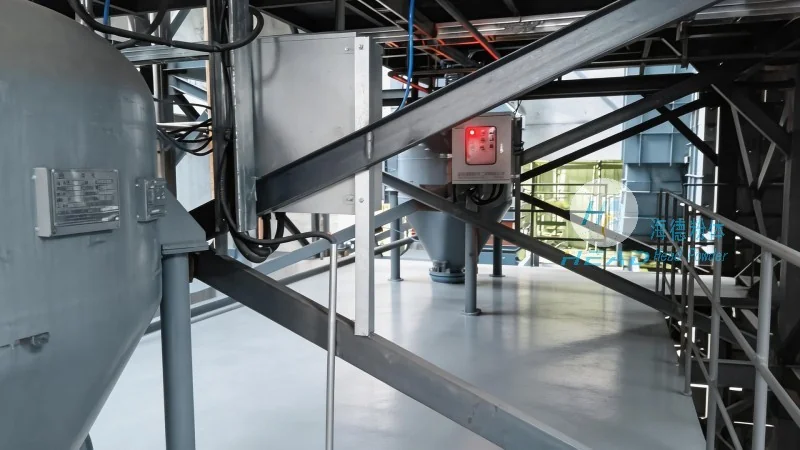
Company Overview: Shandong HeadPowder Engineering Co., Ltd.
As a leading manufacturer in the field of powder and bulk material handling, Shandong HeadPowder Engineering Co., Ltd. specializes in developing advanced conveying solutions tailored to the specific needs of industrial applications. With a strong commitment to innovation and quality, the company has established itself as a trusted partner for businesses seeking reliable equipment for transporting coking coal granules and other bulk materials. HeadPowder's expertise lies in designing equipment that balances performance, durability, and cost-effectiveness, making it an ideal choice for various industrial environments.
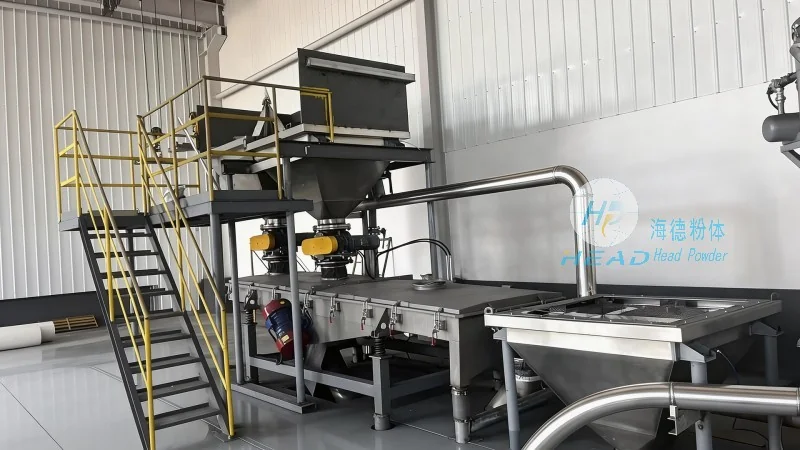
Working Principle of Coking Coal Granule Powder Conveying Equipment
The operation of coking coal granule powder conveying equipment typically involves a series of integrated components working in tandem to ensure smooth material transport. The process begins with the loading of coking coal granules into the hopper or inlet of the equipment. From there, the material is fed into the conveying mechanism, which may include screw conveyors, pneumatic systems, or mechanical belt systems, depending on the specific design and application requirements. The conveying mechanism then moves the coking coal granules through the system, often utilizing pressure or vacuum to maintain consistent flow and prevent material degradation. The equipment is engineered to handle the unique properties of coking coal granules, such as their density, moisture content, and abrasive nature, ensuring that the conveying process is both efficient and safe. The control system, which may include sensors and automation technology, monitors the flow rate, pressure, and other parameters to maintain optimal performance and prevent operational issues.
Key Features of Coking Coal Granule Powder Conveying Equipment
Several key features distinguish high-quality coking coal granule powder conveying equipment from standard models, contributing to improved performance and user experience. One of the primary features is the robust construction, which is designed to withstand the harsh conditions associated with coking coal handling, including high temperatures, abrasive materials, and continuous operation. The equipment is typically made from corrosion-resistant materials, such as stainless steel or special alloys, to ensure longevity and minimal maintenance. Another important feature is the adjustable speed and flow control, which allows operators to customize the conveying rate based on the specific requirements of the process. This flexibility is crucial for maintaining consistent material flow and preventing overloading or underloading of downstream equipment. Additionally, the equipment often includes advanced safety features, such as overload protection and emergency stop mechanisms, to ensure operator safety and prevent equipment damage. The integration of automation and monitoring systems further enhances the equipment's functionality, providing real-time data on performance and enabling predictive maintenance to minimize downtime.
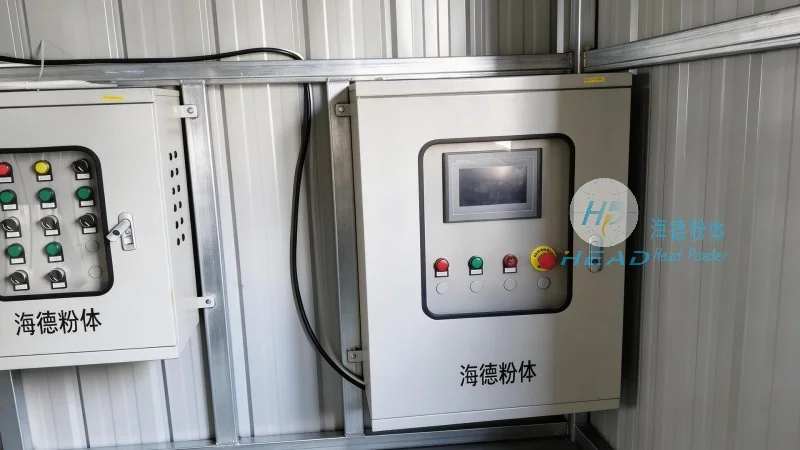
Benefits of Using Coking Coal Granule Powder Conveying Equipment
The implementation of coking coal granule powder conveying equipment offers numerous benefits for industrial operations. Firstly, it significantly improves material handling efficiency by reducing the time and labor required for manual transport. The automated system ensures consistent and reliable flow, minimizing the risk of material loss or contamination. Secondly, the equipment enhances safety by eliminating the need for manual handling of bulk materials, which can be hazardous due to their weight and potential for dust generation. The automated conveying process also reduces the risk of workplace accidents, contributing to a safer working environment. Furthermore, the equipment's durability and low maintenance requirements result in long-term cost savings, as it requires less frequent repairs and replacements compared to traditional manual methods. The ability to customize the conveying rate and flow control also allows for better integration with existing production lines, improving overall operational flexibility. Finally, the use of advanced technology in the equipment enables better monitoring and control, leading to improved process optimization and reduced operational costs.