

Working Principle and Features of Biomass Powder Handling Equipment
HeadPowder, a prominent enterprise based in Shandong, China, is dedicated to the research, development, and production of biomass powder handling equipment. These devices are crucial for the efficient transportation of biomass powders, which are widely used as renewable energy sources and raw materials in various industries. Understanding the working principle and key features of such equipment is vital for optimizing biomass processing operations.

Working Principle of Biomass Powder Handling Equipment
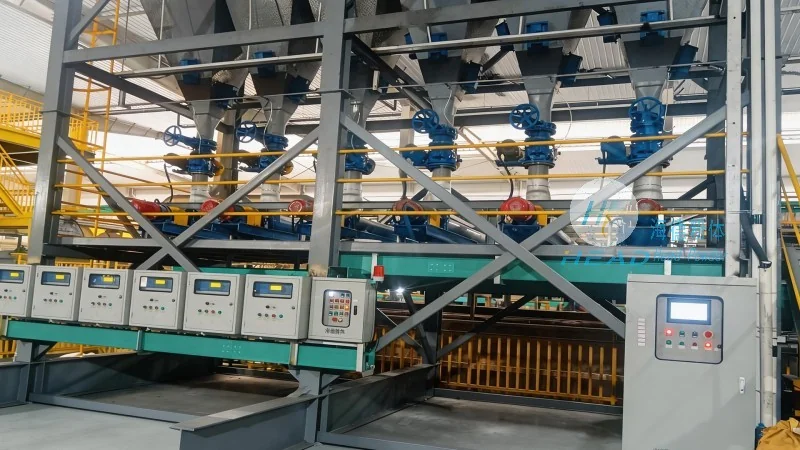
The working principle of biomass powder handling equipment varies depending on the type of system used, with the most common being pneumatic and mechanical conveyors. Pneumatic systems utilize compressed air to create a flow of air and biomass powder through a pipeline, while mechanical systems use rotating components like screws or belts to move the material. In both cases, the equipment starts with a feeding mechanism that ensures a consistent supply of biomass powder. The feeding system, often a hopper or a feeder, regulates the flow rate to match the conveying capacity of the system. The conveying system then transports the powder through a network of pipes or channels, with the pneumatic system relying on air pressure to move the material and the mechanical system using mechanical force. The control unit monitors the operation, adjusting parameters like air pressure or motor speed to maintain optimal performance. The discharge outlet then delivers the biomass powder to the desired location, completing the transport process. This continuous cycle allows for efficient and reliable transportation of biomass powders, minimizing material loss and downtime.
Key Features of Biomass Powder Handling Equipment
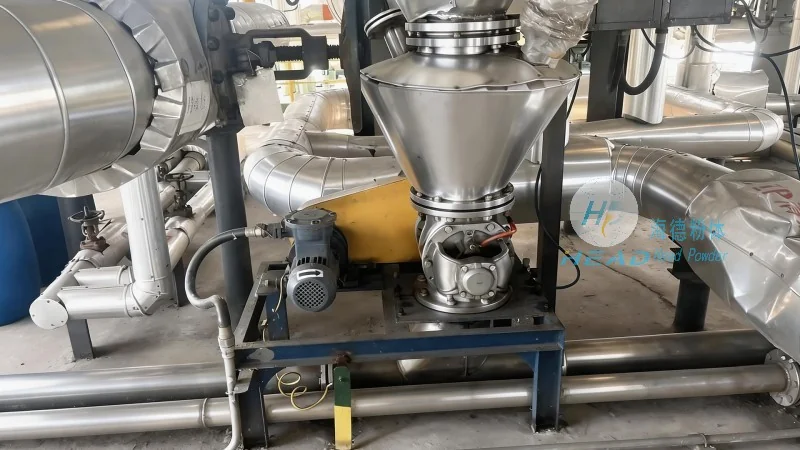
Key features of HeadPowder's biomass powder handling equipment include high efficiency, durability, adaptability, advanced control systems, safety features, and ease of maintenance. The equipment is engineered to handle high volumes of biomass powders with minimal energy consumption, making it an economical choice for industrial applications. The robust construction, using materials such as stainless steel and high-grade plastics, ensures resistance to wear and corrosion from biomass powders, extending the equipment's lifespan. The adaptability of the equipment allows it to be customized for different biomass types, such as wood chips, straw, or other agricultural residues, making it versatile for various processing needs. The advanced control systems provide real-time monitoring of key parameters, including flow rate, pressure, and temperature, enabling operators to adjust settings dynamically and maintain consistent performance. Safety features, such as overload protection and emergency stop buttons, are integrated to prevent accidents and ensure safe operation. The equipment is also designed for easy maintenance, with accessible components and clear operational manuals, reducing the time and cost associated with upkeep. These features collectively contribute to the reliability and efficiency of biomass powder handling operations.
Conclusion
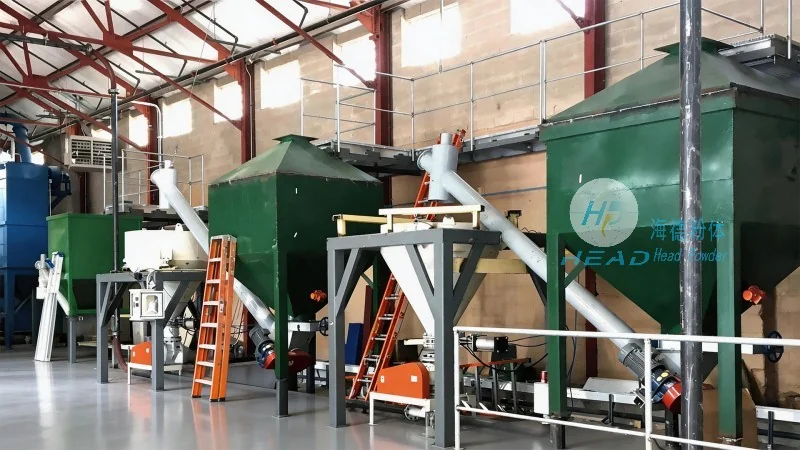
In conclusion, HeadPowder's biomass powder handling equipment offers a comprehensive solution for the efficient transportation of biomass powders. By leveraging advanced technology and robust design, these devices enhance productivity and sustainability in biomass processing industries. Understanding the working principle and key features of such equipment is essential for selecting the right solution that meets specific operational requirements. HeadPowder, with its strong presence in Shandong, China, continues to provide high-quality equipment that meets the evolving needs of the biomass industry, supporting the transition to renewable energy sources and sustainable practices.