

Working Principles and Characteristics of Spice Powder Conveying
Spice powder conveying systems are critical components in the food processing sector, particularly for handling delicate and aromatic powders. Understanding the operational principles and defining characteristics of these systems is essential for optimizing production efficiency and preserving product quality. This article provides a comprehensive overview of how spice powder conveying works and the features that contribute to its effectiveness.
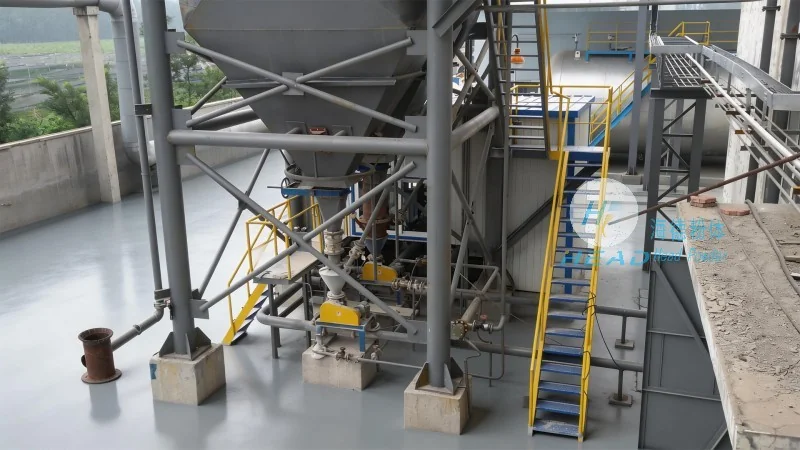
Introduction to Spice Powder Conveying Systems
Spice powder conveying involves the movement of fine, dry powders such as pepper, cinnamon, or paprika from one processing stage to another. The primary objective is to transport these materials efficiently while maintaining their physical and chemical properties. Effective conveying systems must address challenges like dust generation, material segregation, and the need for gentle handling to prevent degradation or loss of flavor.
Core Working Principles of Spice Powder Conveying
The fundamental working principles of spice powder conveying systems revolve around mechanical and pneumatic technologies to move powders through pipelines or open chutes. These systems typically operate based on principles of gravity, air pressure, or mechanical force. For instance, pneumatic conveying systems utilize compressed air to create a flow of air and powder, while mechanical systems employ screws, belts, or buckets to transport materials. The selection of a system depends on factors including the material's characteristics, the distance to be covered, and the required throughput.
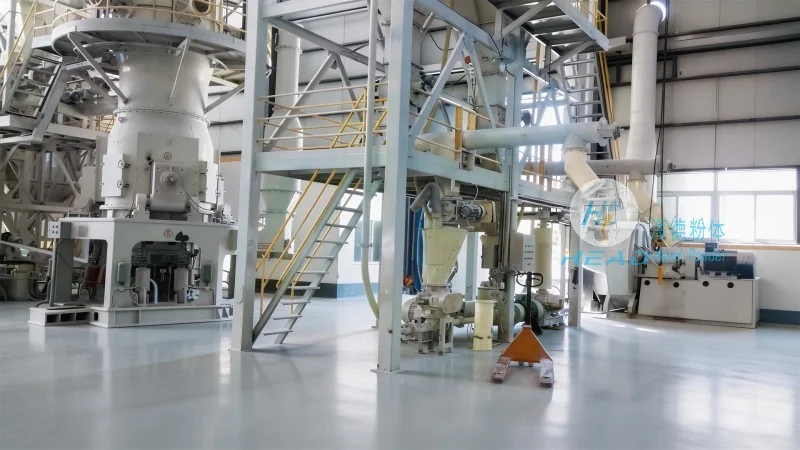
Key Characteristics of Effective Spice Powder Conveying Solutions
Several key characteristics define the performance of spice powder conveying systems. First, the system must ensure minimal product degradation. This is achieved through gentle handling mechanisms that prevent particle breakage or agglomeration. Second, dust control is paramount to maintain a safe and clean working environment. Advanced systems incorporate dust collection and filtration to prevent airborne particles from spreading. Third, the system should offer high efficiency in terms of energy consumption and material throughput. This involves optimizing the design to minimize pressure drops and maximize conveying speed. Additionally, the system must be easy to clean and maintain to ensure consistent performance over time.
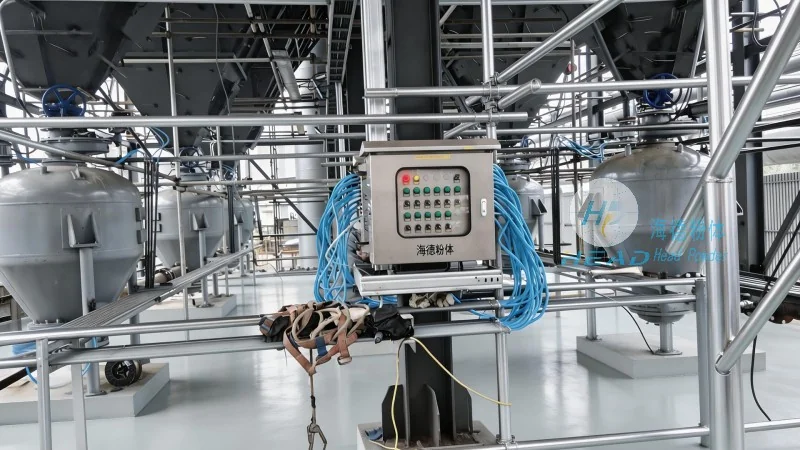
Company Profile: Shandong HeadPowder Engineering Co., Ltd.
HeadPowder, a leading provider of powder handling solutions, specializes in designing and manufacturing advanced spice powder conveying systems. With a focus on innovation and customer-centric solutions, the company has established itself as a trusted partner in the food processing industry. HeadPowder's products are engineered to meet the specific needs of spice manufacturers, ensuring reliable and efficient material transport. The company's headquarters is located in Shandong, China, where it leverages local expertise and resources to deliver high-quality, customized solutions.
Conclusion
In summary, spice powder conveying systems are vital for the efficient and safe handling of aromatic powders. By understanding the working principles and key characteristics of these systems, manufacturers can select the most appropriate technology to meet their operational requirements. Companies like Shandong HeadPowder Engineering Co., Ltd. play a crucial role in providing tailored solutions that enhance productivity and maintain product integrity. As the demand for high-quality spices continues to grow, the importance of reliable powder conveying systems will only increase, making them indispensable in modern food processing operations.