

Application and Optimization of Pneumatic Conveying Technology in River Sand Transport Design
Transporting river sand efficiently and reliably is a critical challenge in construction and industrial applications. Traditional methods like belt conveyors or trucks often face issues such as material degradation, high maintenance costs, and limited flexibility. For example, belt conveyors can suffer from frequent belt wear due to the abrasive nature of river sand, leading to increased downtime and repair expenses. Similarly, truck transport is subject to traffic delays and environmental regulations regarding dust emissions. Pneumatic conveying technology offers a modern solution that addresses these challenges by utilizing air pressure to move bulk materials like river sand through pipelines. This approach not only enhances operational efficiency but also reduces environmental impact by minimizing dust and noise pollution. As a leading provider in the field, Shandong HeadPowder Engineering Co., Ltd., commonly known as HeadPowder, specializes in designing and implementing advanced pneumatic conveying systems tailored for river sand transport needs. With a focus on innovation and customer satisfaction, HeadPowder has become a trusted partner for projects requiring reliable and efficient sand transport solutions.
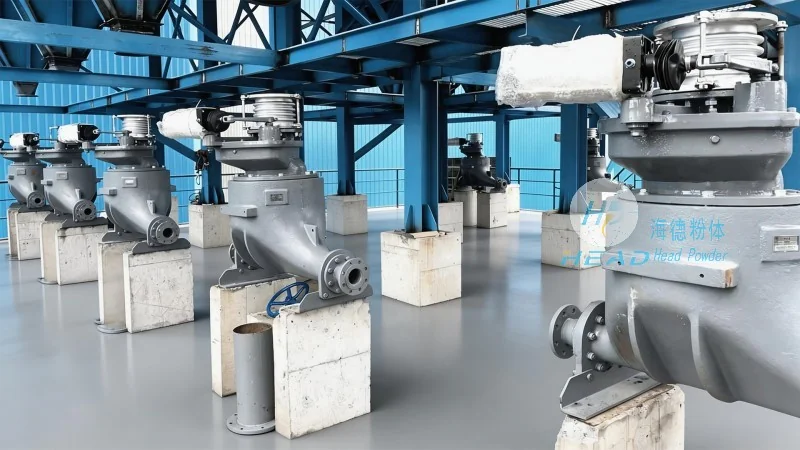
Key Advantages of Pneumatic Conveying for River Sand
One of the primary benefits of pneumatic conveying in river sand transport is its ability to handle abrasive materials without causing wear and tear on equipment. River sand, with its high silica content and irregular shapes, can be detrimental to traditional conveyor systems. Pneumatic systems, equipped with specialized components like high-quality steel pipelines and wear-resistant liners, ensure long-term durability and minimal maintenance. This is particularly important for projects with long operational lifespans, as the reduced maintenance requirements translate into significant cost savings over time. Additionally, this technology allows for flexible system layouts, enabling the integration of multiple feeding points and discharge locations. This flexibility is particularly valuable in construction sites where sand is needed at various locations, such as at different stages of a building project or in multiple storage areas. Another significant advantage is the reduction in dust generation. Unlike open-air conveyor systems, pneumatic conveying encloses the material in a sealed pipeline, significantly improving air quality and worker safety. This feature also helps in complying with environmental regulations, making it an attractive option for projects in sensitive areas like residential neighborhoods or natural reserves. Furthermore, pneumatic systems can operate in a variety of environments, including outdoor and indoor settings, providing versatility in project design.
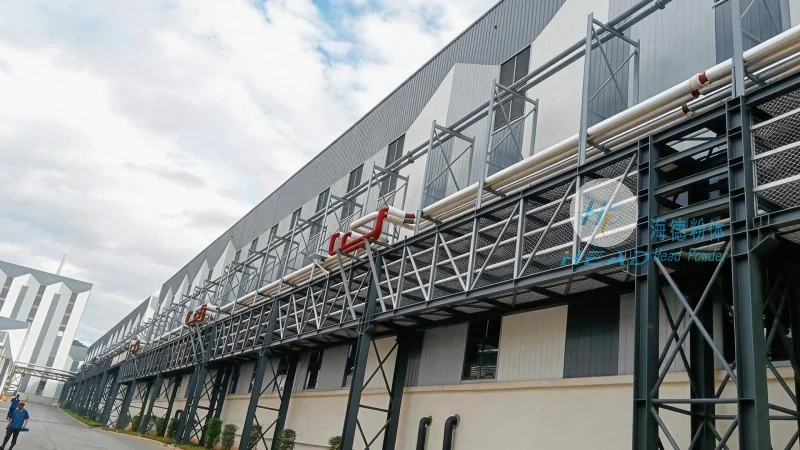
Optimization Strategies for Pneumatic Conveying Systems
Optimizing pneumatic conveying systems for river sand transport involves several key strategies. First, the selection of the appropriate conveying type—either dilute-phase or dense-phase—depends on the specific application requirements. Dilute-phase systems are suitable for short distances (typically up to 100 meters) and low to medium material flow rates (up to 10 tons per hour). These systems use low air-to-material ratios, making them energy-efficient for shorter transport distances. Dense-phase systems, on the other hand, are ideal for longer distances (up to several hundred meters) and higher flow rates (up to 50 tons per hour). These systems use higher air-to-material ratios, ensuring consistent material delivery and preventing material settling in the pipeline. HeadPowder engineers carefully evaluate the project's parameters, including the distance between the sand source and the processing plant, the required flow rate, and the material's characteristics, to determine the most efficient conveying type. Second, the design of the pipeline network is crucial. Proper sizing of pipelines, including the use of appropriate diameter and pressure ratings, ensures that the system operates within optimal pressure ranges, minimizing energy consumption and wear. HeadPowder utilizes advanced computational fluid dynamics (CFD) simulations to model the flow behavior of river sand in the pipeline, allowing for precise design adjustments. This simulation helps in predicting potential issues such as pressure drops or material blockages, enabling engineers to implement preventive measures. Third, the integration of control systems enhances system performance. Automated controls enable real-time monitoring of pressure, flow rate, and material level, allowing for immediate adjustments to maintain optimal operation. This not only improves efficiency but also reduces downtime caused by system failures. Additionally, the use of energy-efficient components, such as high-efficiency blowers and variable frequency drives (VFDs), further optimizes the system's energy consumption. High-efficiency blowers reduce power consumption by up to 20% compared to traditional models, while VFDs allow for variable speed control, matching the system's energy needs to the actual demand. These optimizations lead to significant cost savings over the system's lifecycle, making the investment in pneumatic conveying more attractive for clients.
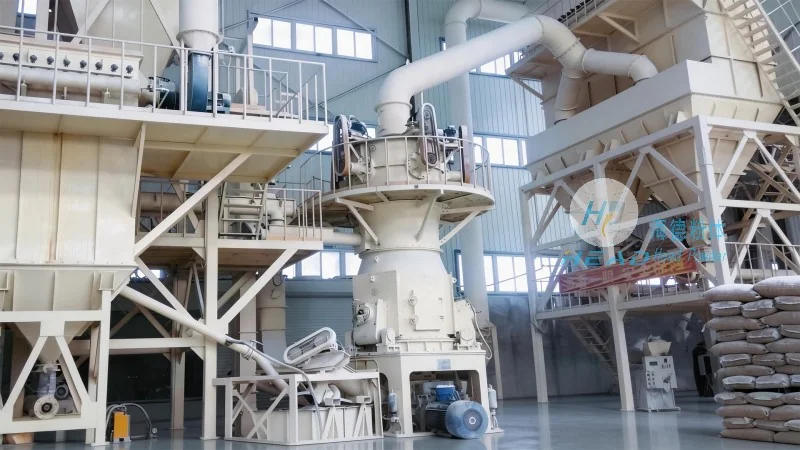
HeadPowder's Expertise in River Sand Pneumatic Conveying
Shandong HeadPowder Engineering Co., Ltd. brings extensive expertise and experience to the design and implementation of pneumatic conveying systems for river sand transport. The company's team of engineers and technicians has worked on numerous projects across China, including large-scale construction sites and industrial facilities. Their deep understanding of both pneumatic conveying principles and the unique challenges of river sand allows them to develop customized solutions that meet the specific needs of each client. HeadPowder follows a systematic approach to project execution, starting with a thorough site assessment and material analysis. This initial step ensures that the system design is based on accurate data, avoiding potential issues during operation. The company also provides comprehensive after-sales support, including regular maintenance services and technical assistance, to ensure the long-term reliability of the system. For example, HeadPowder offers maintenance contracts that include scheduled inspections, component replacements, and emergency support, giving clients peace of mind. By leveraging their expertise, HeadPowder helps clients achieve higher productivity, lower operational costs, and improved environmental performance in their river sand transport operations. The company's commitment to quality and customer satisfaction has earned it a reputation as a leading provider in the industry, with many clients returning for additional projects and recommending HeadPowder to their peers.