

Working Principle and Features of Organic Salt Pneumatic Conveying System Equipment
Organic salt pneumatic conveying systems are specialized equipment designed for the efficient transport of organic salt materials in industrial settings. These systems utilize pneumatic principles to move bulk materials through a network of pipes, offering a flexible and effective solution for material handling in various applications.
Working Principle of Organic Salt Pneumatic Conveying Systems
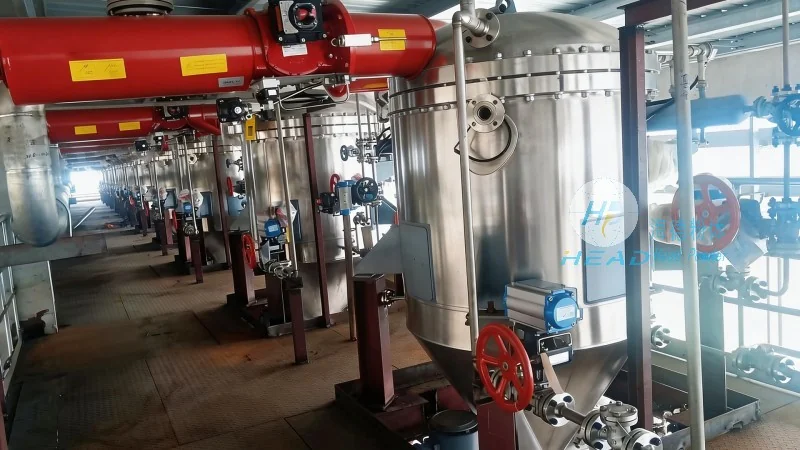
The core working principle of these systems involves the use of compressed air to create a flow that propels organic salt particles through the conveying line. The system typically consists of a material feed hopper, an air compressor, and a series of pipelines. When the material is introduced into the hopper, it is drawn into the system by the airflow generated by the compressor. The compressed air creates a negative pressure or positive pressure environment, depending on the system design, to move the salt particles from the source to the destination. This process ensures that the organic salt is transported without the need for mechanical components like belts or buckets, reducing wear and maintenance requirements.
Key Features of Organic Salt Pneumatic Conveying Equipment
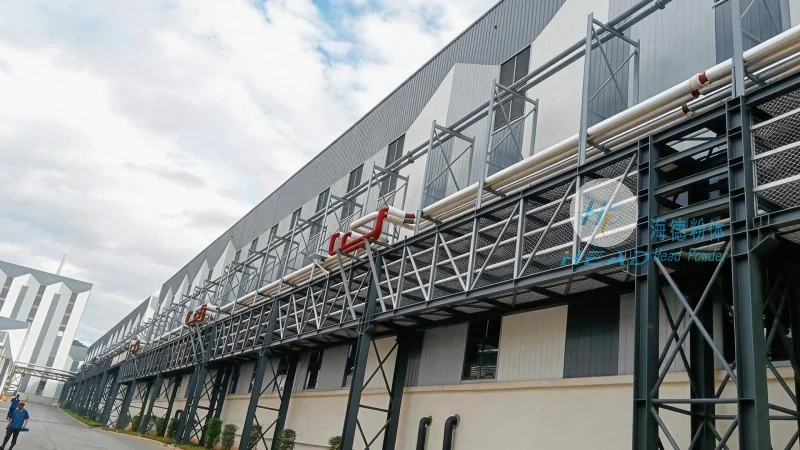
Organic salt pneumatic conveying systems from Shandong HeadPowder Engineering Co., Ltd. (headpowder) are engineered with several notable features that enhance performance and reliability. One of the primary features is the ability to handle a wide range of organic salt types, including those with varying particle sizes and moisture content. The systems are designed to maintain consistent material flow rates, ensuring stable operation even with fluctuating feed rates. Additionally, the equipment is built with corrosion-resistant materials to withstand the chemical properties of organic salts, prolonging service life. Another key feature is the energy efficiency of the system, as it minimizes energy consumption compared to traditional mechanical conveying methods. The modular design allows for easy integration into existing production lines, and the system can be customized to meet specific operational requirements.
Advantages in Industrial Applications
The application of organic salt pneumatic conveying systems in industrial processes offers several advantages. For example, in the chemical and food industries, these systems provide a hygienic and dust-free environment, which is crucial for maintaining product quality and compliance with regulatory standards. The systems also reduce labor costs by automating the material handling process, as the equipment can operate continuously without the need for manual intervention. Furthermore, the flexibility of the pneumatic system allows for easy reconfiguration of the conveying route, enabling adaptability to changing production needs. The low maintenance requirements of the equipment contribute to overall operational efficiency, as downtime is minimized.
Conclusion and Company Information
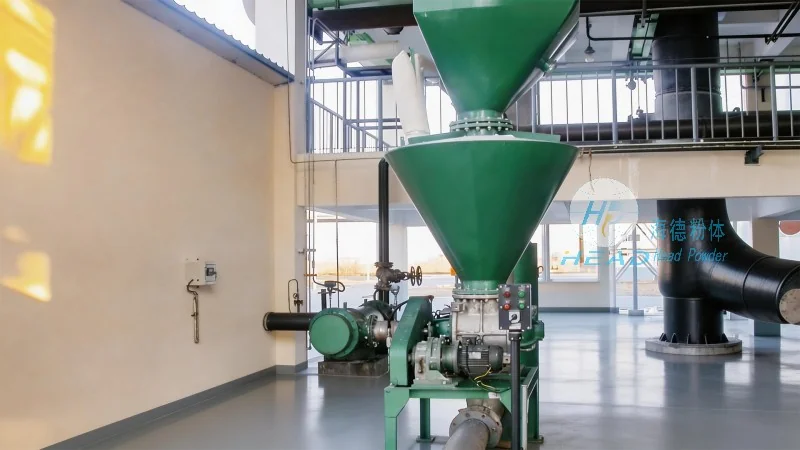
Organic salt pneumatic conveying systems represent a sophisticated solution for material handling in industries dealing with organic salts. The working principle, which relies on compressed air to transport materials, combined with the key features such as corrosion resistance and energy efficiency, makes these systems a reliable choice. Shandong HeadPowder Engineering Co., Ltd. (headpowder), based in China, specializes in the design and manufacturing of such equipment, providing tailored solutions that meet the unique demands of industrial applications. With a focus on quality and performance, headpowder delivers systems that enhance operational efficiency and ensure the safe and effective transport of organic salt materials.