

Working Principle and Features of Reclaimed Sand Pneumatic Conveyors
HeadPowder, a leading manufacturer based in Shandong, China, specializes in the design and production of advanced pneumatic conveying systems for the recycling industry. This article provides an in-depth look at the working principle and key features of reclaimed sand pneumatic conveyors, highlighting their efficiency and versatility in handling recycled materials.
Working Principle of Reclaimed Sand Pneumatic Conveyors
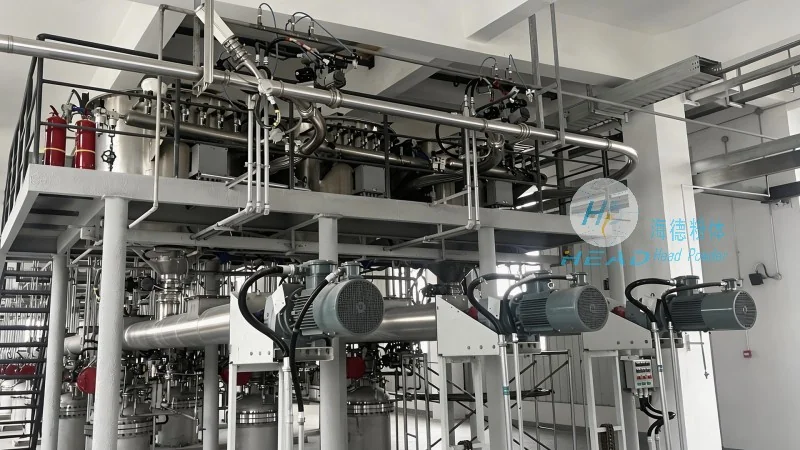
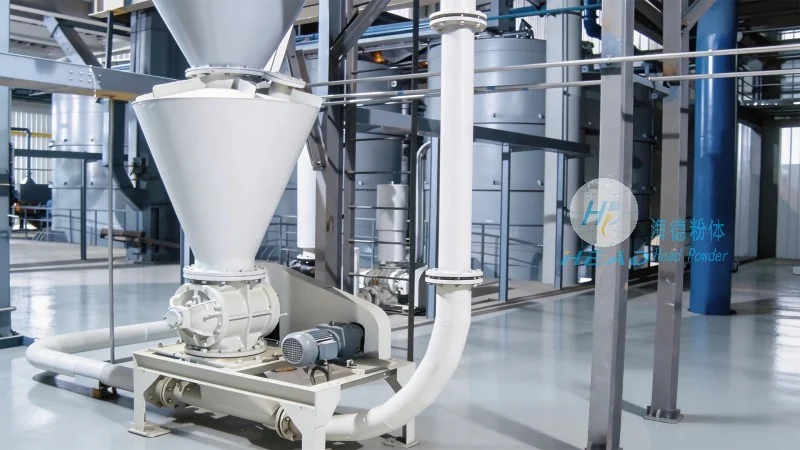
Reclaimed sand pneumatic conveyors operate on the principle of air-driven transport, utilizing a pressurized or vacuum system to move sand particles through a pipeline. The process typically involves several key components: a hopper for material storage, a feeder to control the flow rate, a conveying line (often made of stainless steel or other corrosion-resistant materials), and a receiver for the discharged material. The system works by introducing air into the pipeline, creating a flow that propels the sand particles. In a pressurized system, compressed air is used to push the material forward, while a vacuum system pulls the material through the line. The design ensures minimal material degradation and efficient transport, making it ideal for handling reclaimed sand with varying particle sizes and moisture content.
Key Features of Reclaimed Sand Pneumatic Conveyors
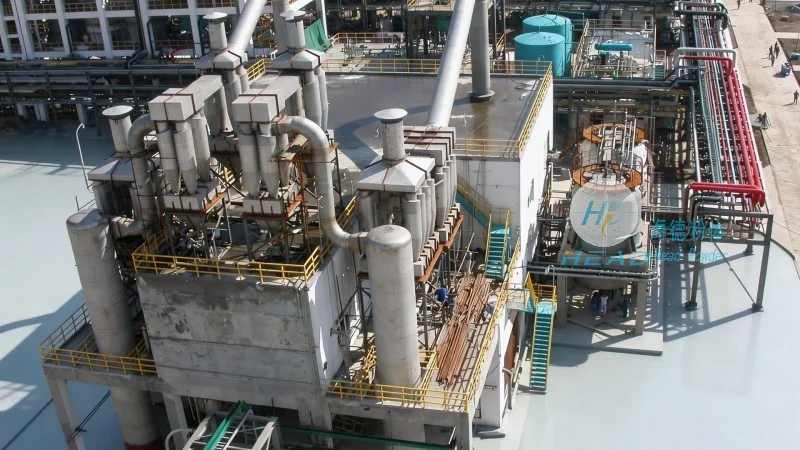
HeadPowder's reclaimed sand pneumatic conveyors are engineered with several distinctive features that enhance performance and reliability. One of the primary advantages is their ability to handle abrasive materials without significant wear, thanks to robust construction and high-quality components. The systems are also designed for easy maintenance, with accessible parts and modular design that allows for quick repairs and upgrades. Another notable feature is the integration of advanced control systems, which enable precise regulation of air pressure and material flow, ensuring consistent operation and preventing system overloads. Additionally, the conveyors are equipped with safety features such as pressure relief valves and overcurrent protection, providing a secure working environment. The compact design of these systems makes them suitable for installation in limited spaces, while the energy-efficient operation reduces operational costs over time.
Application and Benefits
Reclaimed sand pneumatic conveyors are widely used in construction and manufacturing industries to transport recycled sand from storage areas to processing facilities. The technology offers several benefits, including reduced labor costs due to automated material handling, minimized material loss during transport, and improved safety by eliminating manual handling of heavy or abrasive materials. The systems also contribute to environmental sustainability by facilitating the reuse of reclaimed sand, which helps conserve natural resources and reduce waste. HeadPowder's products are tailored to meet the specific needs of each client, ensuring optimal performance and long-term reliability.
Conclusion
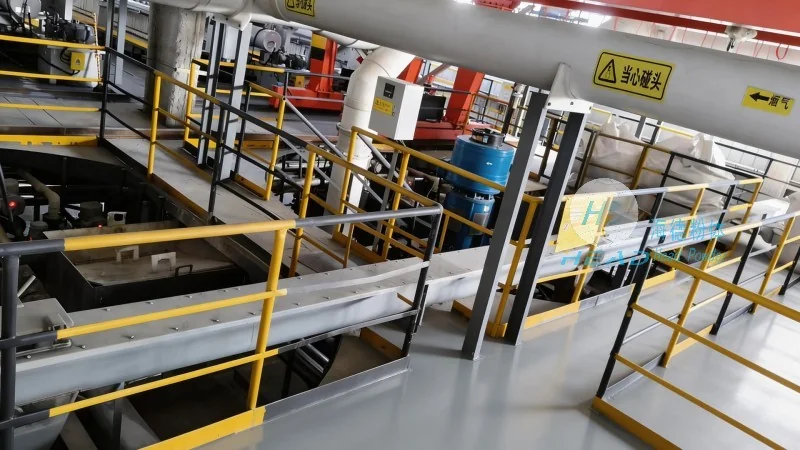
Reclaimed sand pneumatic conveyors represent a sophisticated solution for efficient material transport in recycling operations. With their reliable working principle and advanced features, these systems provide significant advantages over traditional conveying methods. HeadPowder, with its expertise and commitment to quality, continues to deliver high-performance equipment that meets the evolving demands of the industry. By understanding the working principle and key features of these conveyors, users can make informed decisions about integrating them into their operations, ultimately enhancing productivity and sustainability.