

Working Principle and Features of Sodium Chlorate Pneumatic Conveying Equipment
HeadPowder, a leading manufacturer in the field of powder handling technology, specializes in providing advanced solutions for the transportation of sodium chlorate. This article delves into the working principle and key features of the sodium chlorate pneumatic conveying machine, highlighting its efficiency and reliability in industrial applications.
Company Introduction
HeadPowder, operating under the full name Shandong HeadPowder Engineering Co., Ltd., is headquartered in Shandong, China. With years of experience in the powder processing industry, the company has developed a strong reputation for delivering high-quality equipment tailored to meet the specific needs of clients in various sectors, including chemical manufacturing and material handling.
Understanding the Working Principle of Sodium Chlorate Pneumatic Conveying Equipment
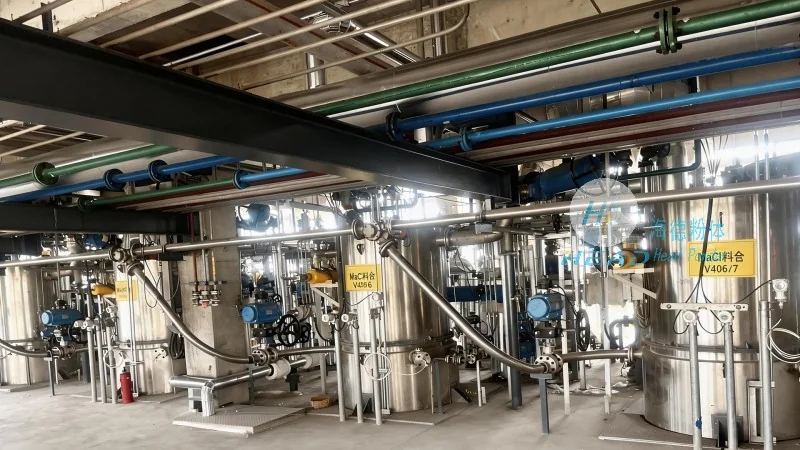
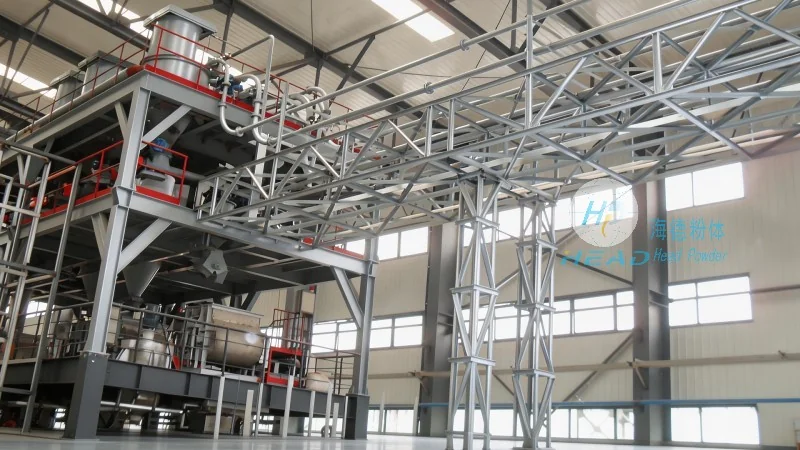
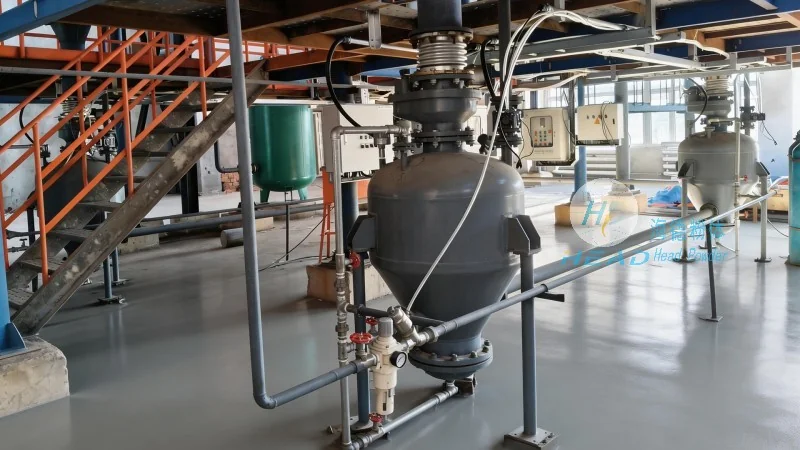
The sodium chlorate pneumatic conveying machine operates on the principle of pneumatic transport, which involves the use of air or other gases to move bulk materials through a pipeline system. In this system, the material is fed into a hopper or feeder, where it is then drawn into the conveying line by a vacuum or pressure source. The machine typically consists of several key components, including a hopper for material storage, a feeder to control the flow rate, a conveying pipe network, and a receiver to collect the material at the destination. The air flow is regulated to ensure that the material is transported smoothly without blockages or degradation. The process is efficient and can handle a wide range of particle sizes and moisture content, making it suitable for sodium chlorate, which is a highly reactive chemical requiring careful handling.
Key Features of the Sodium Chlorate Pneumatic Conveying Machine
Several notable features distinguish the sodium chlorate pneumatic conveying machine from other conveying systems. Firstly, its ability to handle abrasive and corrosive materials like sodium chlorate without causing wear or damage to the equipment. The machine is designed with materials that resist corrosion, such as stainless steel, to ensure longevity and maintain product purity. Secondly, the system offers high flexibility in terms of layout and integration with existing production lines. It can be configured to transport materials over long distances or through complex network layouts, adapting to the spatial constraints of different industrial facilities. Thirdly, the machine provides precise control over material flow, which is crucial for maintaining consistent product quality and preventing overloading or underloading of downstream processes. This control is achieved through advanced feeder mechanisms and air flow regulation systems. Additionally, the system is energy-efficient, as it minimizes the need for mechanical components like belts or chains, reducing maintenance costs and operational expenses. The compact design of the equipment also allows for easy installation in limited spaces, making it a practical solution for modern industrial environments.
Applications and Benefits in Industrial Settings
The sodium chlorate pneumatic conveying machine is widely used in industries where the safe and efficient transport of sodium chlorate is critical. In chemical manufacturing, it is employed to move sodium chlorate from storage silos to reactors or processing units, ensuring that the material is handled in a controlled manner to prevent accidents. The machine's ability to maintain low moisture content and prevent contamination is particularly valuable in pharmaceutical and food processing applications, where product purity is paramount. Furthermore, the system enhances workplace safety by eliminating the need for manual handling of bulk materials, reducing the risk of exposure to hazardous chemicals. The reliability of the pneumatic conveying system also contributes to improved production efficiency, as it minimizes downtime caused by material blockages or equipment failure. Overall, the machine offers a cost-effective and sustainable solution for bulk material transport, aligning with the industry's need for efficient and safe operations.