

[WOKING PRINCIPLE AND FEATURES OF CAUSTIC SODA PNEUMATIC CONVEYING EQUIPMENT]
Caustic soda, also known as sodium hydroxide, is a widely used chemical in various industrial processes, including manufacturing, water treatment, and chemical synthesis. The efficient and safe transportation of caustic soda from storage to processing units is crucial for maintaining production efficiency and ensuring operational safety. Pneumatic conveying systems, particularly those designed for caustic soda, offer a reliable solution to this challenge. This article explores the working principle and key features of caustic soda pneumatic conveying equipment, highlighting its importance in modern industrial applications.
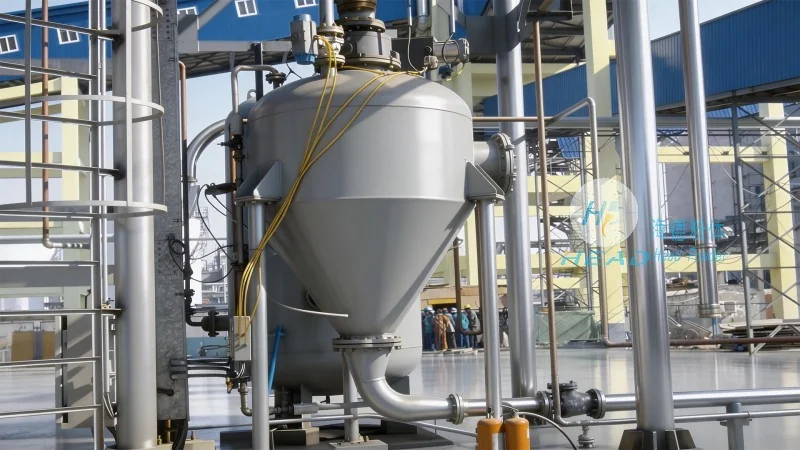
Introduction to Caustic Soda Pneumatic Conveying Equipment
Caustic soda pneumatic conveying equipment is a specialized system designed to transport caustic soda in powder or granular form through a pipeline using air or other gases. Unlike traditional mechanical conveyors, pneumatic systems utilize the force of compressed air to move the material, eliminating the need for moving parts that could be exposed to the caustic environment. This design not only enhances safety but also reduces maintenance requirements, making it an ideal choice for handling caustic soda in industrial settings.
Working Principle of Caustic Soda Pneumatic Conveying Systems
The working principle of caustic soda pneumatic conveying systems typically involves either positive pressure or negative pressure (or a combination of both) to transport the material. In positive pressure systems, compressed air is introduced at the material inlet, creating a high-pressure environment that propels the caustic soda particles through the pipeline. The air and material mixture is then discharged at the receiving end, where the air is separated from the material for further processing. Negative pressure systems, on the other hand, create a vacuum at the receiving end, drawing the caustic soda particles into the pipeline as air is drawn in. Both methods rely on the principle of fluidization, where the air flow creates a suspension of the caustic soda particles, allowing them to be transported efficiently.
Key components of a caustic soda pneumatic conveying system include the material hopper, air compressor or vacuum pump, conveying line, and material separator. The material hopper stores the caustic soda and provides a controlled feed to the system. The air compressor or vacuum pump generates the necessary pressure or vacuum to move the material. The conveying line, usually made of corrosion-resistant materials such as stainless steel or special alloys, ensures the safe transport of the caustic soda. The material separator, often a cyclone or bag filter, separates the caustic soda from the air at the receiving end, allowing the air to be recycled or vented, and the material to be collected for use in the next stage of the process.
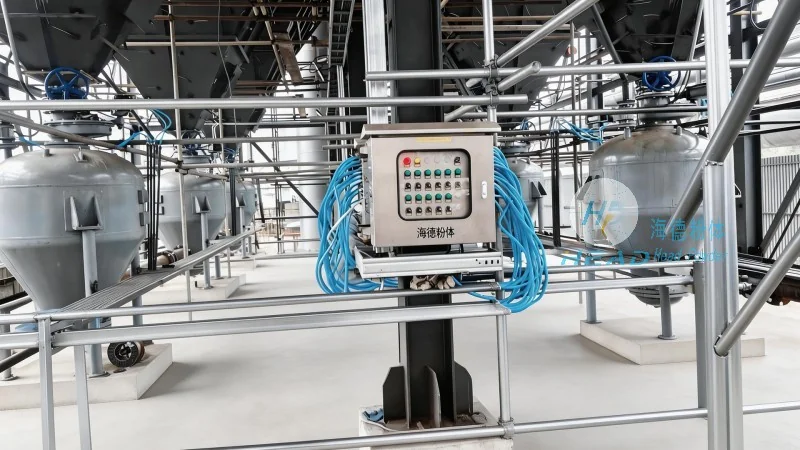
Key Features and Advantages of Caustic Soda Pneumatic Conveyors
Caustic soda pneumatic conveyors offer several advantages that make them a preferred choice for handling caustic soda in industrial applications. One of the primary benefits is their high efficiency in material transport, as they can move large quantities of caustic soda over long distances with minimal energy consumption. The system's ability to handle both powder and granular forms of caustic soda makes it versatile for various production needs. Additionally, pneumatic conveying systems are highly flexible, allowing for easy integration into existing production lines and adjustments to meet changing production demands.
Another significant advantage is the enhanced safety provided by these systems. By eliminating the need for manual handling of caustic soda, the risk of exposure to the chemical is reduced. The enclosed pipeline design also prevents dust and fumes from escaping into the environment, minimizing the risk of inhalation or skin contact. Furthermore, the corrosion-resistant materials used in the construction of the conveying line and components ensure long-term durability and reliability, reducing the need for frequent maintenance and replacement.
The system's design also contributes to improved process control and consistency. The controlled feed from the material hopper ensures a steady flow of caustic soda, which is crucial for maintaining the quality of the final product. The ability to adjust the air pressure or flow rate allows for precise control over the conveying speed, ensuring that the material is transported at the optimal rate for the specific application. This level of control helps to minimize material loss and optimize production efficiency.
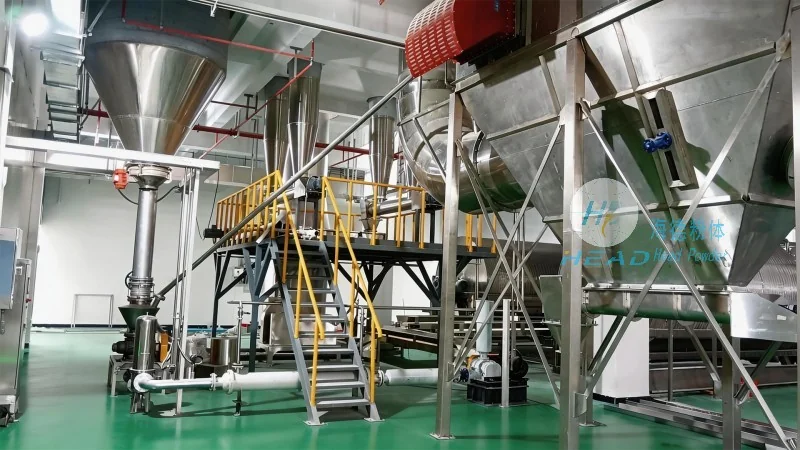
About Shandong HeadPowder Engineering Co., Ltd.
Shandong HeadPowder Engineering Co., Ltd., commonly known as HeadPowder, is a leading manufacturer and supplier of industrial conveying equipment, including caustic soda pneumatic conveying systems. With years of experience in the industry, HeadPowder specializes in designing and manufacturing high-quality, reliable equipment tailored to the specific needs of its clients. The company's commitment to using advanced technology and corrosion-resistant materials ensures that its products meet the highest standards of performance and safety. HeadPowder serves a wide range of industries, including chemical manufacturing, food processing, and pharmaceuticals, providing customized solutions to meet the unique challenges of each application.
HeadPowder's team of experts works closely with clients to understand their specific requirements and develop tailored solutions that enhance operational efficiency and safety. The company's focus on quality and customer satisfaction has earned it a reputation as a trusted partner in the industry. By leveraging its expertise and innovative designs, HeadPowder continues to provide cutting-edge solutions for the transportation of caustic soda and other industrial materials, helping clients to achieve their production goals while maintaining the highest standards of safety and reliability.
Conclusion
Caustic soda pneumatic conveying equipment plays a vital role in the efficient and safe transportation of caustic soda in industrial settings. Its working principle, based on the use of air or gas to move the material, offers numerous advantages, including high efficiency, flexibility, and enhanced safety. The key features of these systems, such as corrosion-resistant materials and precise control mechanisms, ensure long-term reliability and consistent performance. Companies like Shandong HeadPowder Engineering Co., Ltd. are at the forefront of developing and supplying these advanced systems, providing industrial clients with the tools they need to optimize their production processes and maintain safety standards. As the demand for efficient and safe material handling solutions continues to grow, caustic soda pneumatic conveying equipment remains a critical component in modern industrial operations.