

Working Principle and Characteristics of Coal Gangue Powder Pneumatic Conveying
Coal gangue powder, a byproduct of coal mining and processing, presents unique handling challenges due to its fine particle size and potential environmental hazards. Pneumatic conveying systems offer an efficient and reliable solution for transporting this material, ensuring safe and effective material transfer in industrial settings. This article explores the working principle and key characteristics of coal gangue powder pneumatic conveying, highlighting its practical applications and technical advantages.
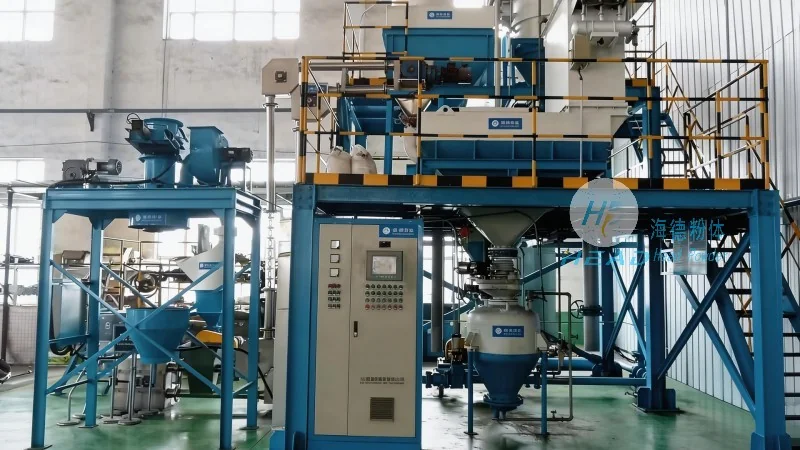
Understanding Coal Gangue Powder and Its Handling Requirements
Coal gangue, also known as coal ash or mine waste, is the solid residue left after coal is extracted and processed. It typically consists of a mixture of carbonaceous and non-carbonaceous components, with fine powders being a common form. The handling of coal gangue powder requires specialized equipment due to its dusty nature and potential to cause respiratory issues or environmental contamination if not managed properly. Pneumatic conveying systems are designed to address these challenges by utilizing air as the conveying medium, enabling the safe and efficient transport of the material from source to destination.
The Working Principle of Coal Gangue Powder Pneumatic Conveying
Pneumatic conveying systems for coal gangue powder operate on the principle of transporting particles through a pipeline using compressed air or suction. There are two primary types of pneumatic conveying systems: dilute-phase and dense-phase. Dilute-phase systems use low air velocity to move particles in a dispersed state, while dense-phase systems employ higher air velocity to create a more concentrated particle flow. The choice between these systems depends on the material's properties, such as particle size, density, and moisture content, as well as the distance and layout of the conveying line.
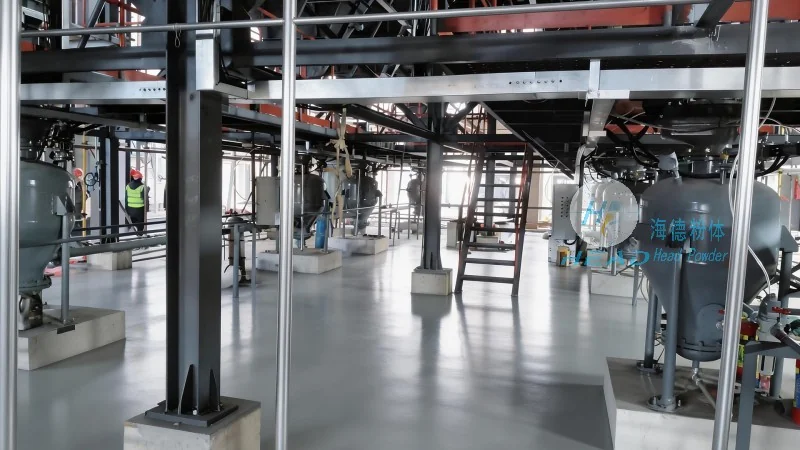
In a typical coal gangue powder pneumatic conveying system, the process begins with the material being fed into a hopper or feeder. From there, the material is introduced into the conveying line either by suction (in a vacuum system) or by pressure (in a positive-pressure system). The air, either drawn in or supplied under pressure, carries the particles through the pipeline to the discharge point. At the receiving end, the material is separated from the air using a separator or cyclone, and the air is then filtered and discharged or recirculated. This continuous process ensures that the coal gangue powder is transported without the need for mechanical components like belts or buckets, reducing maintenance and operational costs.
Key Characteristics and Advantages of Coal Gangue Powder Pneumatic Conveying
Coal gangue powder pneumatic conveying systems exhibit several distinct characteristics that make them suitable for industrial applications. One of the primary advantages is the ability to handle fine, dusty materials without the risk of clogging or blockages, which are common issues with mechanical conveyors. The system's design allows for flexible layout configurations, as the conveying line can be installed in various orientations, including vertical or horizontal, to accommodate different plant layouts. Additionally, pneumatic conveying systems are highly efficient in terms of energy consumption, as they minimize material loss and reduce the need for manual handling.
Another important characteristic is the environmental benefit of using pneumatic conveying for coal gangue powder. By containing the material within a sealed pipeline, the system prevents dust emissions and minimizes the risk of airborne particles entering the environment or affecting workers. This is particularly critical in industrial settings where air quality and worker safety are paramount. Furthermore, the system's ability to handle high volumes of material at a consistent rate makes it ideal for large-scale coal gangue processing facilities.
Applications and Industrial Use Cases
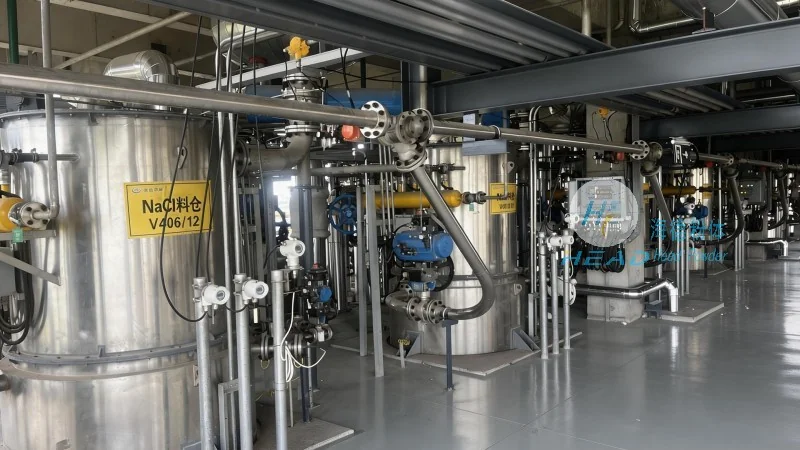
The application of coal gangue powder pneumatic conveying spans various industries, including power generation, cement production, and waste management. In power plants, the system is used to transport coal gangue from storage areas to processing units or disposal sites. In cement plants, the material is often used as a raw material or fuel supplement, and pneumatic conveying ensures its efficient delivery to the production line. Waste management facilities also utilize these systems to transport coal gangue for recycling or disposal, ensuring compliance with environmental regulations and optimizing resource utilization.
Company Information: Shandong HeadPowder Engineering Co., Ltd.
Shandong HeadPowder Engineering Co., Ltd., a leading provider of material handling solutions, specializes in designing and manufacturing pneumatic conveying systems tailored to the unique needs of coal gangue powder applications. With a focus on innovation and quality, the company has developed advanced systems that enhance efficiency, safety, and environmental compliance in industrial operations. HeadPowder's expertise in material handling technology ensures that clients receive customized solutions that meet their specific requirements, from system design and installation to maintenance and support. The company's commitment to excellence and customer satisfaction has established it as a trusted partner in the industry, providing reliable and efficient solutions for coal gangue powder transportation and processing.