

Working Principle and Characteristics of Unattended Material Feeding Pneumatic Conveying
Unattended material feeding pneumatic conveying systems represent a sophisticated approach to material handling, integrating automation and efficient transport mechanisms. These systems are designed to operate without continuous human intervention, leveraging advanced engineering to ensure reliable and consistent material transfer. The core of such systems lies in the seamless combination of pneumatic technology with automated feeding mechanisms, enabling industries to achieve higher productivity and operational safety.
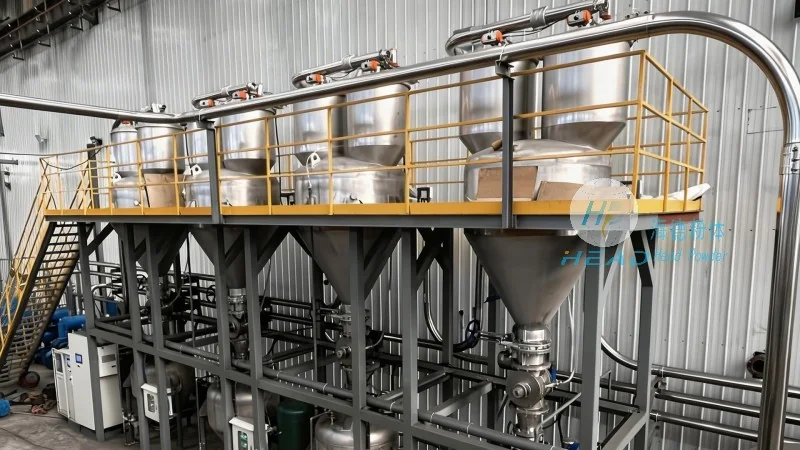
Working Principle of Unattended Material Feeding Pneumatic Conveying
The working principle of unattended material feeding pneumatic conveying systems is centered on the use of compressed air or other gases to transport bulk materials through a network of pipes. In these systems, materials are typically stored in a hopper or silo, from which they are drawn into the conveying line. The system initiates material transport by introducing a controlled amount of air into the pipeline, creating a flow that carries the material particles. Key components include the feeding device, which automatically regulates the material feed rate; the conveying line, which may consist of straight or curved sections to direct the material to the destination; and the separation or collection equipment, which extracts the material from the air stream at the end of the line. The entire process is governed by a control system that monitors pressure, flow, and material level, ensuring optimal operation without manual oversight.
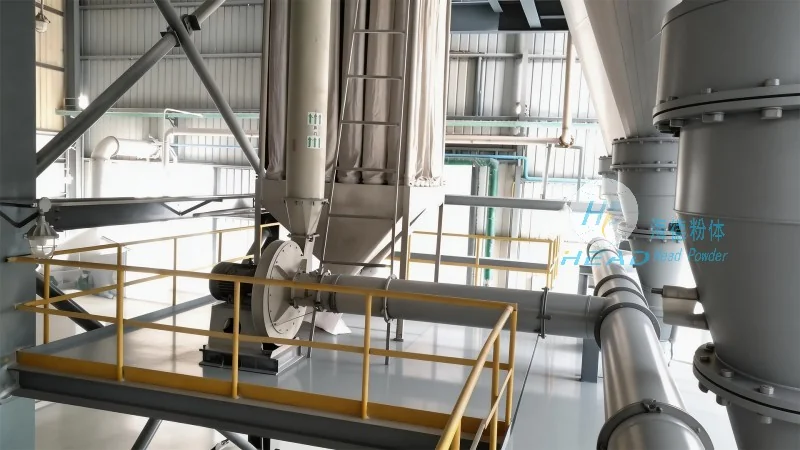
Key Characteristics of Unattended Material Feeding Pneumatic Conveying Systems
Unattended material feeding pneumatic conveying systems exhibit several distinct characteristics that make them valuable in various industrial applications. Firstly, they offer high automation levels, reducing the need for manual labor and minimizing human error in material handling. This automation is achieved through integrated sensors and control logic that manage the feeding process, ensuring consistent material flow rates and preventing overloading or underfeeding. Secondly, these systems provide efficient material transport, capable of handling a wide range of bulk materials, including powders, granules, and small particles, with minimal loss or degradation. The pneumatic method allows for gentle handling, preserving material quality and reducing the risk of contamination or breakage. Thirdly, unattended systems enhance operational safety by eliminating the need for workers to be in close proximity to the material handling equipment, particularly in hazardous environments. The enclosed conveying lines and automated controls reduce exposure to dust, noise, and other potential hazards. Additionally, these systems offer flexibility in layout, as the conveying lines can be configured to follow existing plant structures or be reconfigured to accommodate changes in production processes. The modular design of many unattended pneumatic conveying systems allows for easy expansion or modification, adapting to evolving production needs without significant downtime.
Applications and Benefits in Industrial Settings
The adoption of unattended material feeding pneumatic conveying systems brings numerous benefits to industrial operations, particularly in sectors such as pharmaceuticals, food processing, and chemical manufacturing, where material purity and safety are paramount. By automating the material handling process, these systems contribute to increased production throughput and reduced labor costs. The consistent and reliable material flow ensures that downstream processes, such as mixing, packaging, or processing, operate smoothly without interruptions. Furthermore, the enclosed nature of pneumatic conveying minimizes dust emissions, aligning with environmental regulations and improving workplace air quality. The ability to handle a variety of materials, from fine powders to coarse granules, makes these systems versatile and adaptable to diverse production requirements. In addition, the reduced need for manual intervention lowers the risk of accidents and operational errors, enhancing overall workplace safety. The long-term operational efficiency of unattended pneumatic conveying systems is also a significant advantage, as they require minimal maintenance and can operate continuously with minimal downtime. This reliability is crucial for maintaining production schedules and meeting customer demands in competitive markets.
Conclusion and Company Overview
Unattended material feeding pneumatic conveying systems represent a cutting-edge solution for modern material handling challenges, combining advanced technology with operational efficiency. The working principle, centered on pneumatic transport with automated feeding, ensures reliable and consistent material transfer. The key characteristics, including high automation, efficient transport, enhanced safety, and flexibility, make these systems suitable for a wide range of industrial applications. The benefits, such as increased productivity, reduced labor costs, improved safety, and environmental compliance, justify the investment in such systems for many industries. As a leader in engineering solutions for material handling, Shandong HeadPowder Engineering Co., Ltd., commonly known as headpowder, specializes in designing and manufacturing advanced pneumatic conveying systems tailored to meet the specific needs of clients. With a focus on innovation and quality, headpowder provides comprehensive solutions that enhance operational efficiency and safety for industrial facilities. Headquartered in Shandong, China, the company leverages its expertise to deliver reliable and efficient material handling systems that support the growth and success of its clients in various sectors.