

What is an Intermittent Bulk Material Pneumatic Conveying System? And What Are Its Design Principles
Intermittent bulk material pneumatic conveying systems are specialized equipment used for the transportation of bulk materials through a pipeline using air or other gases as the conveying medium. Unlike continuous systems that operate at a steady flow rate, intermittent systems are designed to transport materials in discrete batches or pulses, making them suitable for applications where precise control over material flow is essential. This article will explore the fundamental concepts of such systems and delve into their design principles, providing a comprehensive understanding of how they function and their key components.
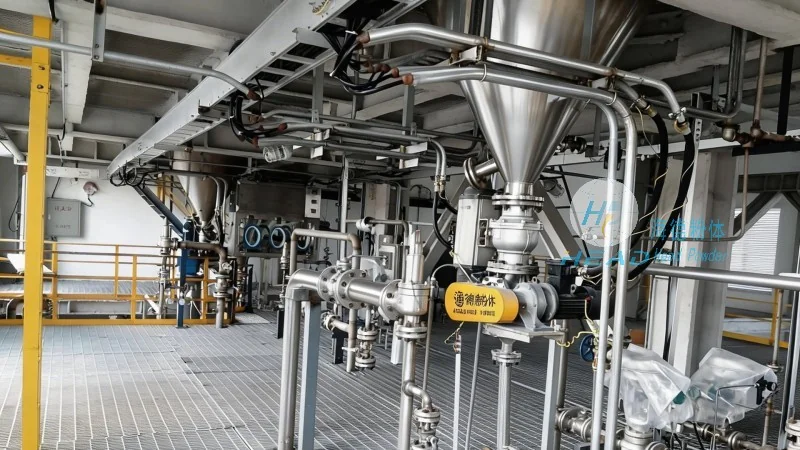
Understanding the Core Functionality of Intermittent Pneumatic Conveying Systems
At its core, an intermittent pneumatic conveying system operates by creating a pressure differential within a pipeline to move bulk materials. The system typically consists of a hopper or feeder that holds the material, a blower or compressor that generates the air flow, and a pipeline that transports the material to its destination. The key characteristic of an intermittent system is the periodic activation of the air flow, which is controlled to move material in short bursts rather than a continuous stream. This approach allows for better control over the material's velocity, pressure, and flow rate, which is crucial for handling sensitive or abrasive materials without causing degradation or damage.
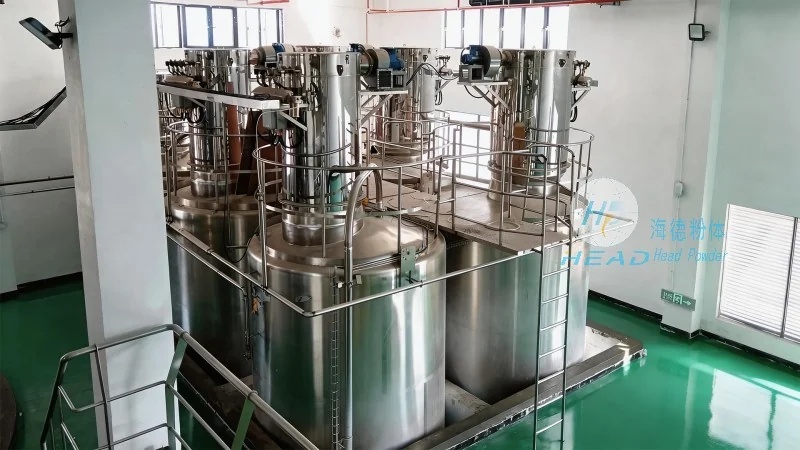
Key Design Principles for Intermittent Bulk Material Conveying
The design of an intermittent pneumatic conveying system involves several critical principles that ensure efficient and reliable operation. One of the primary considerations is the selection of the appropriate conveying medium, which can be air, nitrogen, or other gases depending on the material's properties and the desired level of control. The system's design must also account for the material's bulk density, flowability, and particle size distribution, as these factors directly impact the required air velocity and pressure to achieve effective transport. Additionally, the pipeline layout, including the number of bends, vertical lifts, and horizontal runs, must be optimized to minimize pressure losses and prevent material deposition or blockages. The control system, which regulates the air flow and material feed, is another critical component, as it ensures that the system operates in a synchronized manner to move material in discrete batches without overloading the pipeline or the receiving equipment.
Components and Their Roles in Intermittent Pneumatic Conveying
Several key components work together to enable the operation of an intermittent pneumatic conveying system. The material hopper or feeder is responsible for storing and feeding the bulk material into the system, ensuring a consistent supply of material to the pipeline. The blower or compressor provides the necessary air pressure and flow rate to move the material, with the capacity of the equipment determined by the material's characteristics and the system's design requirements. The pipeline itself is typically made of materials such as stainless steel, plastic, or metal, depending on the material being conveyed and the operating conditions. The pipeline may include features like expansion joints, valves, and filters to maintain system integrity and prevent material buildup. The control system, which may include sensors, timers, and programmable logic controllers (PLCs), monitors and regulates the operation of the system, ensuring that material is conveyed in the desired intervals and that the system operates safely and efficiently.
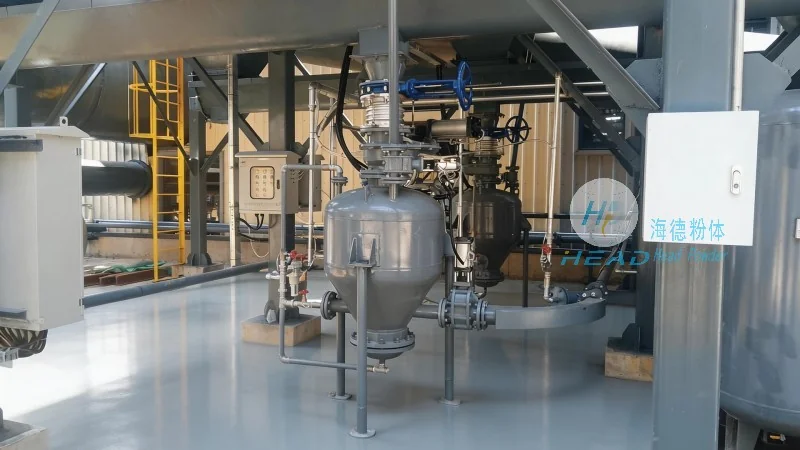
Applications and Benefits of Intermittent Pneumatic Conveying Systems
Intermittent pneumatic conveying systems are widely used in various industries for the transportation of bulk materials. They are particularly suitable for applications where materials need to be transported over long distances or through complex layouts, such as in pharmaceutical, food, chemical, and mining industries. The benefits of using intermittent systems include the ability to handle a wide range of materials, including powders, granules, and pellets, with minimal degradation or contamination. The systems also offer flexibility in terms of material flow control, allowing for precise delivery of material to the destination. Additionally, intermittent systems can be integrated with other equipment, such as mixers, classifiers, or packaging machines, to form a complete material handling system. The design of these systems allows for easy maintenance and cleaning, which is essential for industries that require strict hygiene standards. Overall, intermittent pneumatic conveying systems provide a reliable and efficient solution for bulk material transportation, meeting the needs of various industrial applications.