

What is a Methylcellulose Material Pneumatic Conveying Line? And What Are Its Design Principles?
Understanding the Methylcellulose Material Pneumatic Conveying Line and Its Design Principles
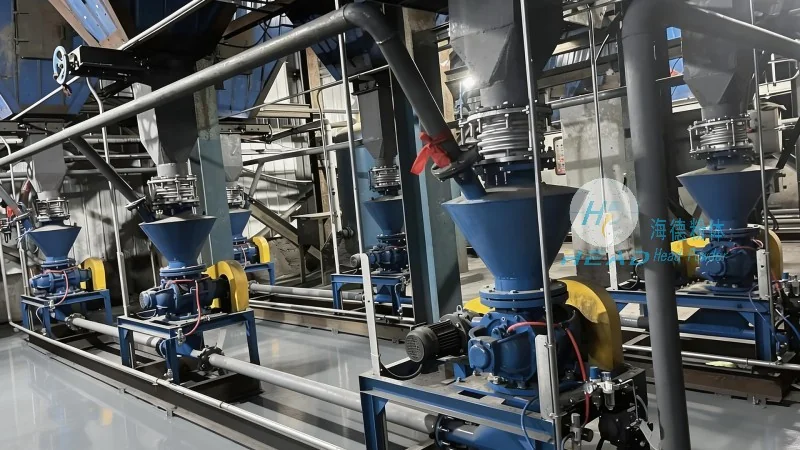
Introduction to Methylcellulose Material Pneumatic Conveying Systems
Methylcellulose, a non-ionic cellulose ether, is widely used in various industrial applications due to its excellent rheological properties and solubility in water. When handling methylcellulose materials, efficient and reliable material transport is crucial. The methylcellulose material pneumatic conveying line is a specialized system designed to transport these materials from one location to another using air or gas as the conveying medium. This technology offers advantages such as reduced material degradation, minimal contamination, and the ability to handle materials in a closed system, making it ideal for processes where product purity and consistency are paramount.
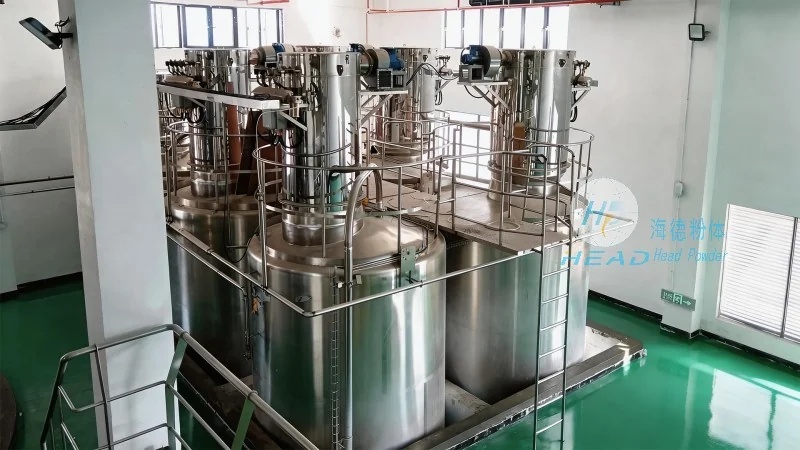
Key Components of a Methylcellulose Pneumatic Conveying Line
The design of a methylcellulose material pneumatic conveying line involves several critical components that work in concert to ensure smooth and efficient material transport. These components include:
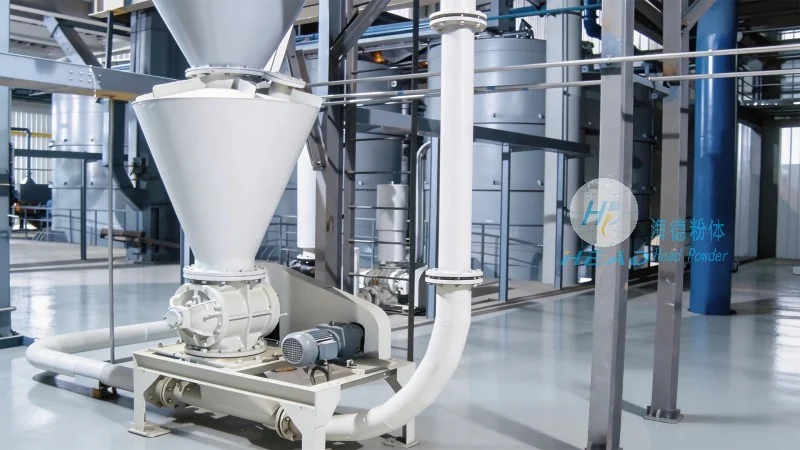
- Conveying Hopper: A container where the methylcellulose material is stored before being fed into the system. The hopper is typically equipped with a feeding mechanism, such as a rotary valve or a screw feeder, to control the flow rate of the material.
- Pneumatic Conveying Unit: This is the core of the system, responsible for generating the air flow and pressure needed to move the material. It may consist of a blower or a compressor that provides the necessary air volume and pressure to create a consistent flow.
- Conveying Pipe Network: A network of pipes that connects the hopper to the discharge point. The pipe diameter and length are carefully selected to maintain the required air velocity and pressure drop, ensuring the material remains suspended and transported effectively.
- Control System: An automated system that monitors and regulates the flow of material and air. This includes sensors for pressure, flow rate, and material level, as well as control valves to adjust the air supply and feeding rate as needed.
- Discharge Unit: The component where the material is deposited at the destination. This may include a receiving hopper or a storage tank, designed to handle the material without causing blockages or degradation.
Design Principles for Optimal Performance
The design principles of a methylcellulose material pneumatic conveying line are centered on achieving efficient material transport while minimizing energy consumption and maintaining product quality. Key design considerations include:
- Air Velocity and Pressure: The air velocity within the conveying pipe must be sufficient to keep the methylcellulose particles suspended. Typically, velocities range from 20 to 30 meters per second for fine powders like methylcellulose. The pressure drop across the system is also critical, as it affects the energy required to operate the system.
- Material Properties: The physical properties of the methylcellulose material, such as particle size, density, and moisture content, influence the design. For example, finer particles may require higher air velocities to prevent settling, while higher moisture content can affect the material's flow characteristics and the need for drying steps.
- System Layout and Geometry: The layout of the conveying line, including the number of bends, pipe diameter changes, and vertical and horizontal sections, impacts the overall performance. Properly designed bends and transitions minimize pressure losses and prevent material accumulation or blockages.
- Energy Efficiency: Modern designs aim to optimize energy usage by selecting appropriate blower types (e.g., centrifugal or positive displacement) and controlling the air flow based on the actual material feed rate. This reduces operational costs and environmental impact.
- Material Compatibility: The materials used for the conveying components (e.g., pipes, valves, and hoppers) must be compatible with methylcellulose to prevent chemical reactions or contamination. Common materials include stainless steel, PTFE-coated components, or specialized plastics that resist adhesion and degradation.
Applications and Benefits
Methylcellulose material pneumatic conveying lines are widely used in industries such as pharmaceuticals, food processing, and chemical manufacturing. The benefits of using this technology include:
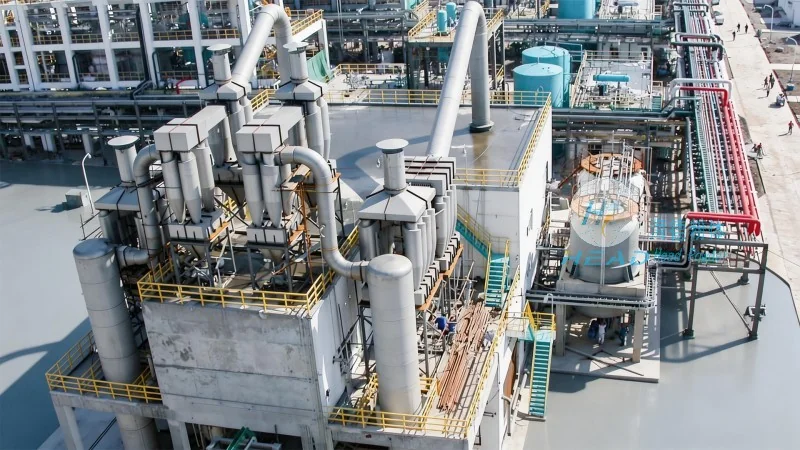
- Enhanced Product Purity: The closed system prevents contamination from external sources, ensuring the methylcellulose remains free from dust, moisture, or other impurities.
- Reduced Material Degradation: The gentle handling of the material through the pneumatic system minimizes mechanical stress, preventing degradation of the product's properties.
- Improved Process Control: The automated control system allows for precise regulation of material flow, ensuring consistent product quality and reducing waste.
- Space Efficiency: The compact design of the pneumatic conveying line saves valuable floor space compared to traditional bulk handling methods.
- Environmental Benefits: The closed system reduces dust emissions and improves workplace safety, contributing to a cleaner and more sustainable operation.
Conclusion
Understanding the design principles and components of a methylcellulose material pneumatic conveying line is essential for optimizing material transport in industrial applications. By carefully considering factors such as air velocity, material properties, and system layout, manufacturers can achieve efficient, reliable, and cost-effective material handling. Companies like Shandong HeadPowder Engineering Co., Ltd., based in China, specialize in designing and manufacturing such systems, providing tailored solutions to meet the specific needs of their clients in the methylcellulose and related industries.