

What is a Plug-Type Powder Pneumatic Conveying System? And What Are Its Design Principles?
For industrial applications involving the transport of bulk powders, selecting the right pneumatic conveying system is crucial for efficiency, reliability, and cost-effectiveness. Among the various types available, the plug-type powder pneumatic conveying system stands out as a specialized solution designed to handle challenging powder characteristics. This article delves into the fundamental concepts of this technology, exploring its design principles and the key factors that make it an effective choice for material handling in diverse industries.
Understanding Plug-Type Powder Pneumatic Conveying Systems
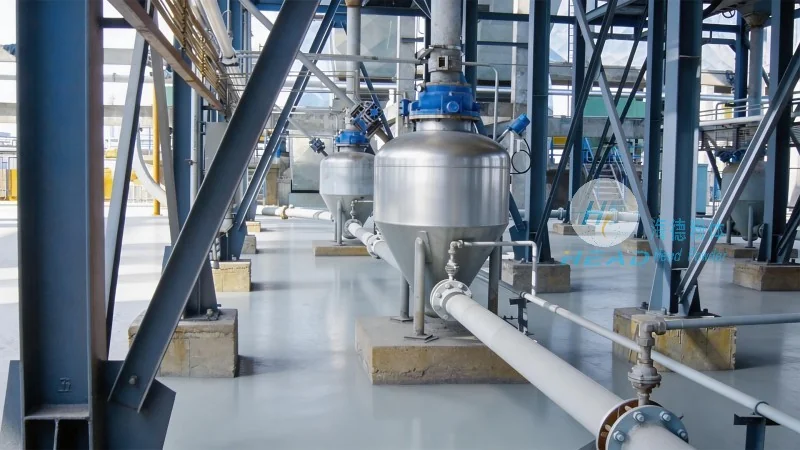
A plug-type powder pneumatic conveying system is a type of pneumatic transport system that uses a plug, or a solid, moving column of powder, to move material through a pipeline. Unlike other pneumatic conveying methods that rely on continuous airflow to suspend particles, the plug system operates by creating a dense, compacted powder column that moves as a single unit. This design allows for the efficient transport of fine, cohesive, or difficult-to-handle powders that may be prone to bridging, caking, or segregation in traditional conveying systems.
Key Design Principles of Plug-Type Systems
The design of a plug-type powder pneumatic conveying system is centered on several critical principles that ensure optimal performance and material integrity. The primary principle is the creation and maintenance of a stable powder plug within the pipeline. This is achieved through a combination of pressure control, air injection, and the use of appropriate pipeline geometry. The system typically operates under positive pressure, where compressed air is introduced at intervals to push the powder plug forward. The pressure is carefully regulated to prevent the plug from breaking apart or the powder from being over-pressurized, which could lead to degradation or loss of material.
Another essential design principle is the control of air flow and pressure differentials. The system must maintain a consistent pressure gradient along the pipeline to ensure the plug moves smoothly without excessive friction or pressure drops. This involves precise control of the air injection points and the use of specialized valves or regulators to manage the flow of air and powder. The design also considers the material properties of the powder, such as its density, flowability, and cohesive forces, to tailor the system's parameters accordingly. For example, powders with high cohesion may require higher pressure or different air injection patterns to maintain the plug's integrity.
Components and Operation of Plug-Type Systems
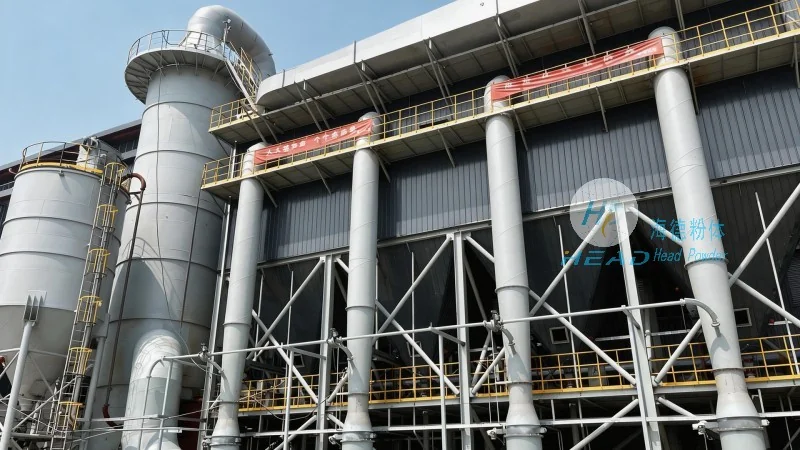
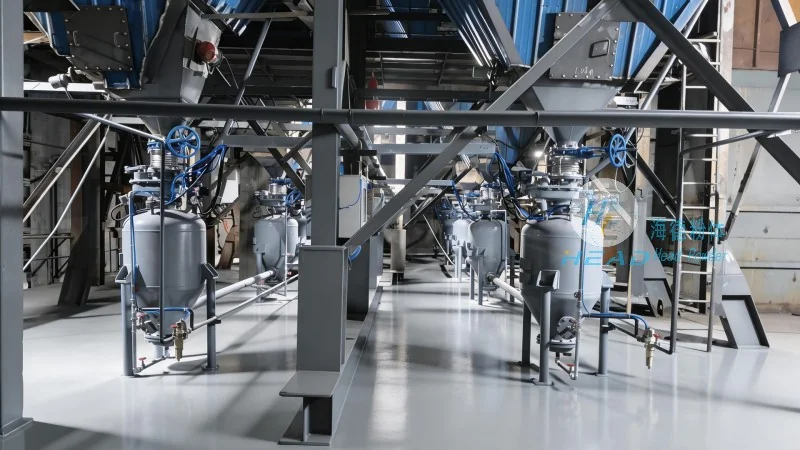
The plug-type powder pneumatic conveying system consists of several key components that work in tandem to achieve efficient material transport. These components include the hopper or feed hopper, which holds the bulk powder and provides a controlled feed to the system. The hopper is equipped with a feeder, such as a rotary valve or a screw feeder, that regulates the flow of powder into the pipeline. The pipeline itself is typically made of materials like stainless steel or plastic, chosen for their resistance to corrosion and wear from the abrasive powder.
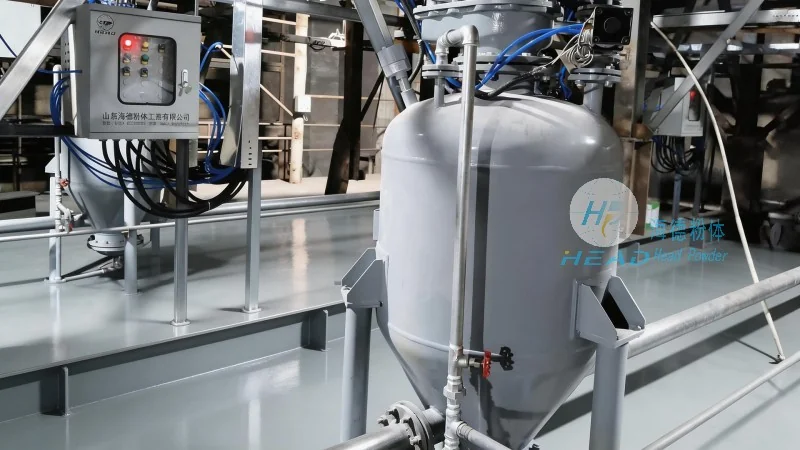
At the heart of the system is the air injection section, where compressed air is introduced into the pipeline at specific intervals. This air is injected through a series of nozzles or ports that are strategically placed along the pipeline. The air pressure and flow rate are carefully controlled to create a stable plug of powder. The plug then moves through the pipeline under the pressure differential, with the air acting as a driving force. The system may also include a receiver or discharge hopper at the end of the pipeline, where the powder is collected and discharged. The receiver is designed to handle the incoming plug and ensure a smooth discharge of the material.
Advantages and Applications of Plug-Type Systems
Plug-type powder pneumatic conveying systems offer several advantages that make them suitable for a wide range of industrial applications. One of the primary benefits is their ability to handle difficult-to-transport powders, such as those that are fine, cohesive, or prone to bridging. The dense plug formation prevents segregation and maintains the material's integrity during transport. This is particularly important for materials that are sensitive to moisture or air exposure, as the plug system minimizes the contact with the environment.
Another advantage is the energy efficiency of plug-type systems. By operating under positive pressure and using a controlled air injection pattern, the system can achieve high transport rates with lower energy consumption compared to other pneumatic conveying methods. This makes it an economical choice for long-distance or high-volume material transport. The system also offers flexibility in terms of pipeline layout, as it can be configured to follow complex routes and changes in elevation without compromising performance.
Plug-type systems are widely used in various industries, including pharmaceuticals, food processing, chemicals, and minerals. In the pharmaceutical industry, they are used to transport active pharmaceutical ingredients (APIs) and other fine powders that require strict contamination control. In food processing, they handle ingredients like flour, sugar, and spices, ensuring that the product remains free from contamination and maintains its quality. In the chemical industry, they transport powders such as pigments, catalysts, and reagents, where the need for precise control and minimal degradation is critical. In the minerals sector, they are used to convey ores and other bulk materials from processing plants to storage or further processing facilities.
Considerations for Design and Implementation
When designing and implementing a plug-type powder pneumatic conveying system, several factors must be considered to ensure optimal performance and longevity. The first consideration is the material properties of the powder, as these directly impact the system's design parameters. Engineers must analyze the powder's density, flowability, cohesion, and particle size distribution to determine the appropriate pressure, air flow, and pipeline dimensions. This analysis helps in selecting the right feeder, air injection system, and pipeline material to match the powder's characteristics.
Another important consideration is the system's layout and the distance to be covered. The pipeline length and elevation changes will affect the pressure requirements and the overall system design. For longer distances or higher elevations, additional air injection points or pressure boosters may be needed to maintain the plug's stability. The system's layout must also consider the need for maintenance access and the integration with existing plant infrastructure.
Material selection for the pipeline and components is also critical. The pipeline must be resistant to corrosion, wear, and abrasion from the powder. Stainless steel is commonly used for its durability and resistance to chemical attack, while plastic pipes are sometimes used for non-corrosive applications. The components, such as valves, regulators, and feeders, must be designed to handle the high pressure and abrasive nature of the powder, ensuring long service life and minimal downtime.
Conclusion
In conclusion, the plug-type powder pneumatic conveying system is a specialized and effective solution for the transport of bulk powders, particularly those with challenging characteristics. Its design principles, centered on creating and maintaining a stable powder plug, allow for efficient, reliable, and energy-efficient material handling. The system's ability to handle difficult-to-transport powders makes it a valuable asset in various industries, from pharmaceuticals to food processing and beyond. By carefully considering the material properties, system layout, and component selection, engineers can design a plug-type system that meets the specific needs of their application, ensuring optimal performance and longevity.